 Track an order
 Buy It Again
 Favourites
 Manage account
 Rewards
 Subscriptions
 Find a store
 Help centre
Body hair: why it’s normal and how to care for it

Written byEmily Coates

Reviewed byMadalena Vieira Costa
Summary
1Why do we have body hair?
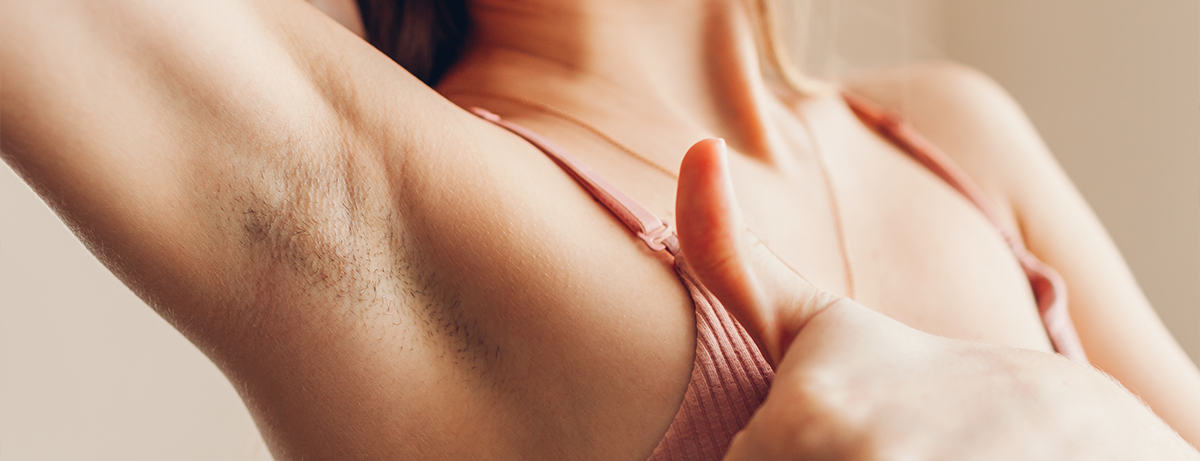
Body hair is completely natural. It can help protect your skin, support sensation and reduce friction in certain areas.
2Is it healthy to shave body hair?
You don’t need to remove body hair for health or hygiene. If you do shave, take care to minimise skin irritation.
3What are the benefits of not shaving?
Not shaving may help you avoid razor burn, cuts and shaving-related ingrown hairs – particularly if your skin is easily irritated.
Body hair is completely natural – whether it grows on your legs, underarms, face, chest or pubic area. And what you choose to do with it is entirely personal. You might love the feeling of freshly shaved legs, prefer to leave your hair exactly as it is or switch things up depending on the season, occasion or simply how you feel.1
Whatever your routine, there’s more to body hair than meets the eye. Why does it grow in certain places? Does it actually have a purpose? And what happens to your skin when you shave it off? Here’s what you need to know.
Why do we have body hair?
Body hair might not always feel particularly useful, but it isn’t just there for show. Most of your skin contains hair follicles, although the type, colour, thickness and amount of hair varies across your body – and from person to person. Hair follicles form part of the skin, and research suggests they play a role in maintaining the skin barrier. The hairs growing from them can also contribute to touch sensation, helping you detect light contact or movement on the skin, as well as offering some protection.2
Some hair has particularly obvious jobs. Your eyelashes help protect your eyes from particles, while your eyebrows can help direct moisture away from them.3 Pubic and underarm hair develops during puberty in response to hormonal changes and may help reduce friction where skin rubs against skin or clothing.4
So, body hair has its uses. But keeping every last strand certainly isn’t essential.
Why do people remove body hair?
There’s no single reason. You might love the feeling of freshly shaved legs, trim your underarms for comfort or simply see hair removal as another part of getting ready.
Research into pubic hair grooming reflects just how varied our motivations can be, with people reporting reasons including personal preference, comfort, perceived hygiene and sexual activity.1,4 Body hair grooming is also common across different genders.5 And preferences aren’t set in stone. The routine you swear by now might look completely different in a few years – or even a few months – down the line.
Is it healthy to shave body hair?
Shaving is generally a grooming choice rather than something you medically need to do – or avoid.4 The main consideration is how your skin responds to it. Razors can sometimes leave behind more than smooth skin. Research into pubic hair grooming has reported unwanted effects including cuts, burns and rashes, particularly with frequent or extensive grooming.7 Shaving can also contribute to ingrown hairs and ‘strawberry legs’, where small bumps or dark spots can appear around hair follicles.8
If shaving tends to leave your skin feeling dry or uncomfortable, a little post-shave care can go a long way. Apply a gentle moisturiser afterwards to help keep your skin hydrated and comfortable.9
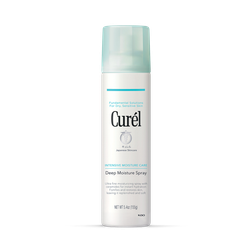
Curél
£19.50
What are the benefits of not shaving?
Fed up with razor burn or constantly dealing with ingrown hairs? Taking a break from shaving means avoiding the irritation the process can sometimes cause.3,6 There are practical perks too: less time spent shaving and fewer razors, wax strips or other products to keep stocked in the bathroom. That doesn’t make leaving your hair alone inherently healthier, though. It’s simply another option.
Body hair myths debunked
Body hair is one of those topics that attracts plenty of myths – particularly when it comes to hygiene and regrowth. Let’s clear up a few of the biggest ones.
Myth: body hair is unhygienic
Hair itself doesn’t automatically make you unhygienic, and removing pubic hair generally isn’t necessary.3 Regular washing and looking after the skin underneath are much more important than whether that skin happens to have hair on it.
Myth: shaving makes hair grow back thicker
It can certainly feel that way, but your razor isn’t secretly giving your hair an upgrade. Shaving doesn’t change its thickness or growth rate because it cuts the hair at the skin’s surface rather than altering the follicle underneath.10
Freshly cut hair has a blunt tip, which can make early regrowth temporarily feel coarser or look more noticeable.10 And if facial hair is something you prefer to remove, a razor isn’t your only option. Dermaplaning also removes fine facial hair from the skin’s surface.
Myth: you need to remove body hair
Nope. You can shave it, wax it, trim it or leave it exactly where it is. What matters is finding a routine that feels right for you and your skin.
How to care for body hair and the skin underneath
Whether you prefer things smooth or leave your hair to do its thing, don’t forget about the skin underneath. A few simple habits can help keep it feeling comfortable.
Keep things gentle
You don’t need a special routine just because you have body hair. Wash your skin as usual with products that suit your skin type and avoid excessive rubbing or scrubbing if you’re prone to sensitivity. If you shave, use a clean, sharp razor and take your time. Avoid repeatedly going over the same patch or pressing too hard, particularly if you know your skin tends to complain afterwards.9
Exfoliate – but don’t overdo it
Exfoliating helps remove dead cells from the surface of your skin, but this is definitely a case where more isn’t always better. Going too hard or exfoliating too often can leave skin feeling irritated.11 Follow the directions on your chosen product and be particularly gentle around freshly shaved or sensitive areas. And tempting as it can be, try not to pick or squeeze ingrown hairs, as this can irritate your skin further.12
Dear Doer
£25.00
Remember to moisturise
If your skin tends to feel tight or dry after shaving, moisturising can help keep it hydrated. Apply your moisturiser regularly and, if freshly shaved skin tends to be delicate, look for a gentle formula that works for you.9
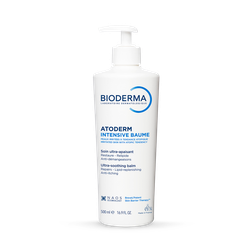
Bioderma
£26.00
Find the right removal method for you
Razors aren’t the only route to smooth skin. Depending on the area you’re tackling, options include trimming, waxing, sugaring, epilating and depilatory products, as well as longer-term approaches such as laser hair removal.3
You don’t have to stick to one method from head to toe, either. You might shave your legs, trim elsewhere and leave other areas completely alone. Whatever you choose, follow the instructions carefully and stop using a product if it causes significant irritation.

ANSWR
£28.90
Body hair FAQs
For some people, embracing body hair simply means feeling comfortable leaving it as it naturally grows. Others might still remove hair from certain areas while being less bothered about keeping up a regular routine. Ultimately, it doesn’t have to be an all-or-nothing decision. Your preferences can vary across different areas of your body and change over time.
There’s usually no special routine required. Wash your skin regularly, use bodycare products that suit your skin type and trim longer hair if that makes you more comfortable. You don’t need to remove hair to keep the area clean – good everyday hygiene is enough.
No. Shaving only cuts the part of the hair above your skin, so it can’t change the thickness or growth rate of the hair growing from the follicle. The blunt end left behind by shaving can make early regrowth look or feel more noticeable, but the hair itself hasn’t become thicker.10
The final say
Shave it, trim it, wax it or let it grow – there’s no universal rulebook for body hair. What works for one person (or even one part of your body) might not work for another. Whichever approach you take, be kind to the skin underneath. A gentle routine, careful hair removal and regular moisturising can help keep it feeling comfortable.
Looking to learn more about looking after your skin and body? Discover why your skin is so dry and what you can do about it, or explore whether creatine could have specific benefits for women.
Disclaimer – This article provides informational advice and is not a substitute for medical care. Working with experts for accuracy, we take great care to ensure the information is up-to-date and relevant. However, you should always consult your GP or healthcare professional before using supplements or alternative products, particularly if you have medical conditions or are under supervision.
1 Rowen TS, Gaither TW, Awad MA, Osterberg EC, Shindel AW, Breyer BN. Pubic hair grooming prevalence and motivation among women in the United States. JAMA Dermatol. 2016;152(10):1106–13. doi:10.1001/jamadermatol.2016.2154. PubMed
2 Ford NC, Benedeck RE, Mattoon MT, Peterson JK, Mesler AL, Veniaminova NA, et al. Hair follicles modulate skin barrier function. Cell Rep. 2024;43(7):114347. doi:10.1016/j.celrep.2024.114347. PubMed
3 Martel JL, Miao JH, Badri T, Fakoya AO. Anatomy, hair follicle. In: StatPearls [Internet]. Treasure Island (FL): StatPearls Publishing; 2026 [updated 2024 Jun 22]. Available from: https://www.ncbi.nlm.nih.gov/books/NBK470321/ NCBI
4 Mezin-Sarbu E, Wohlrab J. Epilation and depilation in the genital area – motivation, methods, risks and recommendations from a dermatological point of view. J Dtsch Dermatol Ges. 2023;21(5):455–62. doi:10.1111/ddg.14993. PubMed
5 Butler SM, Smith NK, Collazo E, Caltabiano L, Herbenick D. Pubic hair preferences, reasons for removal, and associated genital symptoms: comparisons between men and women. J Sex Med. 2015;12(1):48–58. doi:10.1111/jsm.12763. PubMed
6 Gaither TW, Awad MA, Osterberg EC, Rowen TS, Shindel AW, Breyer BN. Prevalence and motivation: pubic hair grooming among men in the United States. Am J Mens Health. 2017;11(3):620–40. doi:10.1177/1557988316661315. PubMed
7 Truesdale MD, Osterberg EC, Gaither TW, Awad MA, Elmer-DeWitt MA, Sutcliffe S, et al. Prevalence of pubic hair grooming-related injuries and identification of high-risk individuals in the United States. JAMA Dermatol. 2017;153(11):1114–21. doi:10.1001/jamadermatol.2017.2815. PubMed
8 ScienceDirect ingrown-hair reference: https://www.sciencedirect.com/science/article/pii/S2950198924000643
9 Costello L, Goncalves K, Maltman V, Barrett N, Shah K, Stephens A, et al. Development of a novel in vitro strategy to understand the impact of shaving on skin health: combining tape strip exfoliation and human skin equivalent technology. Front Med (Lausanne). 2023;10:1236790. doi:10.3389/fmed.2023.1236790. PubMed Central (PMC)
10 Olsen EA. Methods of hair removal. J Am Acad Dermatol. 1999;40(2 Pt 1):143–55. Med.Ro
11 Draelos ZD. The cosmeceutical conundrum. J Cosmet Dermatol. 2005;4(3):149–50. doi:10.1111/j.1473-2165.2005.00301.x. Wiley Online Library
12 NHS. Ingrown hairs [Internet]. Available from: https://www.nhs.uk/conditions/ingrown-hairs/


