 Track an order
 Buy It Again
 Favourites
 Manage account
 Rewards
 Subscriptions
 Find a store
 Help centre
Hyperpigmentation: what causes dark spots and how to help fade them

Written byH&B editorial team

Reviewed byPatille Joy Madaghjian
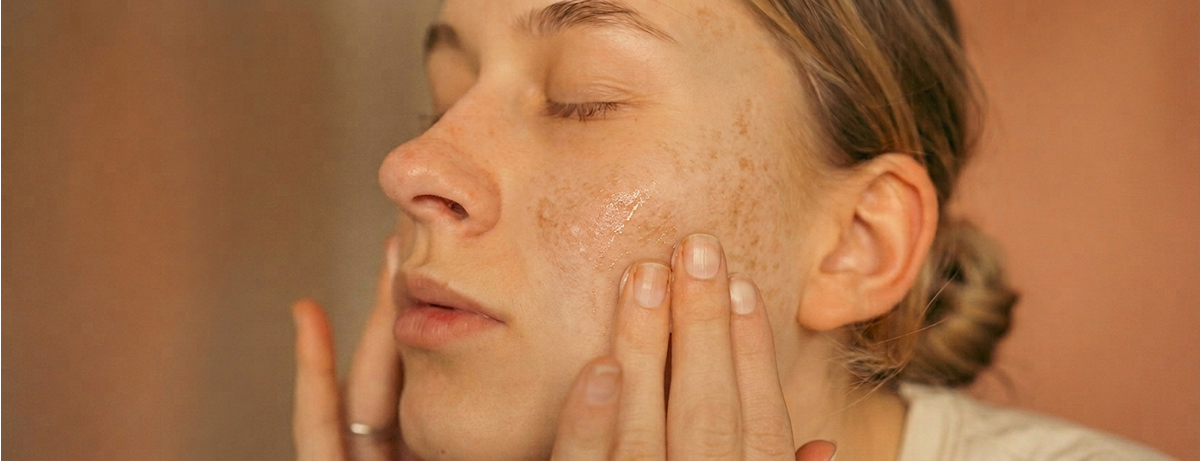
Hyperpigmentation is more common than you might think, but we know dark spots aren't always welcome. If you're looking to help even out your skin tone, here's what may help
Summary
1What is hyperpigmentation?
Hyperpigmentation is another word for darker spots or patches on the skin. It can affect all skin tones and types and can occur anywhere on the body.
2Why does hyperpigmentation happen?
Hyperpigmentation often happens because of damage or injury to the skin, or after an inflammatory skin condition like dermatitis.
3How to help reduce hyperpigmentation: our top tip
Want to reduce the appearance of uneven skin pigmentation? Consider some of our tips below, from skincare to sun protection and more.
Noticed darker patches on your face? Or maybe it's your neck, hands or chest? It could be hyperpigmentation – a common skin condition that causes dark spots to appear when your skin produces more melanin (the pigment that gives skin its colour) than usual.1
Hyperpigmentation is usually harmless, but if you’re looking to help reduce the appearance of dark spots, we’ve rounded up some simple skincare and lifestyle tips that may help...
What is hyperpigmentation?
Hyperpigmentation is another word for darker spots or patches on the skin. It can affect all skin tones and skin types and can occur anywhere on the body – however, people with darker skin may be more prone to facial hyperpigmentation.2 There are several types of hyperpigmentation, each with different causes including sun damage, hormonal changes and inflammatory skin conditions. Hyperpigmentation is usually harmless. However, you should check with a GP or dermatologist if you're unsure about any changes in your skin to be on the safe side.
Why does hyperpigmentation happen?
Hyperpigmentation often happens because of damage or injury to the skin, or after an inflammatory skin condition like dermatitis.3 This is called post-inflammatory hyperpigmentation (PIH) and one common cause of PIH is sun damage.3
According to the British Skin Foundation, hormonal changes such as pregnancy and taking hormone medications like oral contraception and HRT can also contribute to dark spots, which in this case is known as melasma.4 Less commonly, thyroid conditions may also cause melasma.4 Sometimes, skin hyperpigmentation isn’t linked to any of these causes and may simply develop due to age or genetics.
How to help reduce hyperpigmentation: our top tips
Want to reduce the appearance of uneven skin pigmentation? Consider some of our tips below, from skincare to sun protection and more...
Protect your skin from the sun
One of the most common causes of hyperpigmentation is exposure to ultraviolet (UV) rays from the sun.5 To protect your skin from UV, wear a broad-spectrum sunscreen every day with an SPF of at least 30 and reapply throughout the day, especially after showering, sweating or swimming. On very sunny days, wear loose clothing and a hat and try to avoid direct sun during the hottest part of the day (usually around 11am-3pm).6 Whatever your skin tone, protecting your skin from UV exposure is one of the best ways to help prevent existing hyperpigmentation from becoming more noticeable.
Try gentle exfoliation
Exfoliation speeds up skin turnover by shifting dead cells off the top layer of skin and revealing fresh 'new' skin. This may help improve the appearance of hyperpigmentation over time. However, you should only exfoliate in moderation as doing it too often or too hard may damage your skin. Instead of using a scratchy sponge or abrasive sugar scrubs, consider a gentler chemical exfoliant like alpha- or beta-hydroxy acids (AHAs and BHAs). Examples include lactic and glycolic acids (AHAs) and salicylic acid (BHA).
According to the American Academy of Dermatology (AAD), you should avoid harsh exfoliation if you have a darker skin tone or notice dark spots on your skin after burns, bug bites or breakouts.7 For some people, especially those with darker skin tones, exfoliation that's too harsh may increase pigmentation rather than reduce it.7 Whichever exfoliant you choose, use it gently and follow up with a moisturiser to help keep skin hydrated.7
Make friends with vitamin C
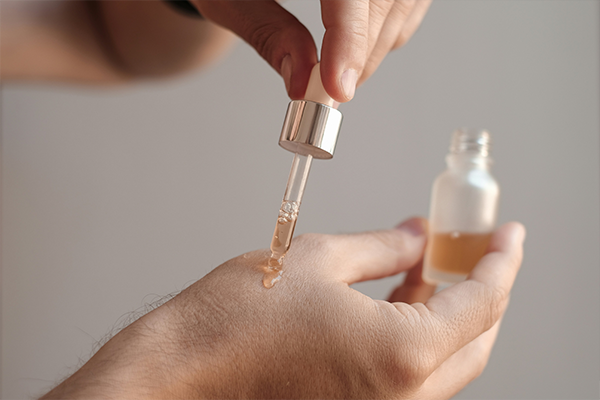
We're talking about vitamin C in skincare here – not munching on extra oranges. Also called ascorbic acid, topical vitamin C is often used to help reduce dark spots. It stops the action of the enzyme tyrosinase, which controls melanin production – therefore it can help prevent and reduce dark patches on the skin.8,9 Vitamin C comes in a range of skincare products, including serums, eye creams, moisturisers and cleansers, so you can choose the option that best suits your skin type and routine.
Consider a retinoid
Retinoids are part of the vitamin A family and include skincare ingredients like retinol, tretinoin, isotretinoin and adapalene.10 These encourage faster skin turnover, which may help fade hyperpigmentation by encouraging pigmented skin on the surface to shed more quickly.11
The AAD recommends retinoids as one option for helping improve uneven skin tone – however, they're not suitable for everyone.12 Retinoids and other vitamin A skincare products aren’t recommended during pregnancy or if you’re trying to conceive, as too much vitamin A may harm your baby's development.13 Retinoids can also make your skin more sensitive to the sun and UV rays, which could cause more hyperpigmentation in the long run.12,14 Apply retinol at night and wear a broad-spectrum SPF during the day to help protect your skin, and introduce retinoids to your skincare routine at a lower concentration, building up gradually.
Stick to safe approaches
A quick fix might be tempting, but it’s always best to stick to evidence-based treatments and approved methods. Never use skin lightening products or hyperpigmentation creams containing bleach and only ever use prescription-strength retinoids (for example, tretinoin) as prescribed by your doctor or dermatologist. Looking after your skin barrier is one of the best ways to support healthy-looking skin.
Enjoy a balanced diet
While no food can prevent or get rid of hyperpigmentation, eating a balanced diet is a good step towards overall skin health. Foods rich in zinc, such as nuts (pecan and walnuts), seeds (chia, sesame, sunflower), also support skin health.15 Try to keep alcohol to a minimum – not only does it contribute to dehydrated skin, but emerging evidence also suggests it may increase your risk of sunburn.16 Don’t forget to drink plenty of water to keep skin feeling plump and hydrated too.
Hyperpigmentation FAQs
Hyperpigmentation is the medical term for patches of skin that appear darker than the surrounding area because of excess melanin (the pigment that gives skin its colour). It can happen for several reasons and can look different depending on the cause.
Hyperpigmentation can sometimes fade on its own as the skin naturally renews itself, although this may take several months. If you're looking to help fade dark spots, a consistent skincare routine and daily sun protection may help. If your hyperpigmentation is persistent, worsening or you're unsure what's causing it, speak to your GP or a dermatologist.
Retinol is a promising ingredient for hyperpigmentation and dark spots, since it speeds up skin's cell turnover.11 However, it isn't suitable for everyone and should be avoided during pregnancy or if you're trying to conceive.13
The final say
There's no overnight fix for hyperpigmentation, but small, consistent changes to your skincare routine can make a difference over time. Daily sun protection, gentle skincare and ingredients such as vitamin C and retinoids may all play a role, although results can take time and consistency. If you're ever unsure about changes to your skin or have concerns about hyperpigmentation, speak to your GP or a dermatologist.
Looking to refresh the rest of your skincare routine? Learn more about vitamin C for skin or shop our favourite moisturisers with SPF...
Disclaimer – This article provides informational advice and is not a substitute for medical care. Working with experts for accuracy, we take great care to ensure the information is up-to-date and relevant. However, you should always consult your GP or healthcare professional before using supplements or alternative products, particularly if you have medical conditions or are under supervision.
1. Thawabteh AM, Jibreen A, Karaman D, Thawabteh A, Karaman R. Skin Pigmentation Types, Causes and Treatment—A Review. Molecules [Internet]. 2023 Jun 18 [cited 2026 Jul 27]; 28(12): 4839. Available from: https://pmc.ncbi.nlm.nih.gov/articles/PMC10304091/
2. Primary Care Dermatology Society (PCDS). Hyperpigmentation – of the face and neck [Internet]. PCDS [reviewed 2023 Feb 15; cited 2026 Jul 27]. Available from: https://www.pcds.org.uk/clinical-guidance/melasma-syn-chloasma-and-other-causes-of-facial-hyperpigmentation
3. DermNet. Postinflammatory hyperpigmentation [Internet]. DermNet [reviewed 2015 Dec; cited 2026 Jul 27]. Available from: https://dermnetnz.org/topics/postinflammatory-hyperpigmentation
4. British Skin Foundation. Melasma [Internet]. British Skin Foundation [cited 2026 Jul 27]. Available from: https://www.britishskinfoundation.org.uk/conditions/melasma
5. Maddodi N, Jayanthy A, Setaluri V. Shining Light on Skin Pigmentation: The Darker and the Brighter Side of Effects of UV Radiation. Photochem Photobiol [Internet]. 2012 Apr 12 [cited 2026 Jul 27]; 88(5): 1075-82. Available from: https://pmc.ncbi.nlm.nih.gov/articles/PMC3400707/
6. NHS. Sunscreen and sun safety [Internet]. NHS [reviewed 2026 Mar 24; cited 2026 Jul 27]. Available from: https://www.nhs.uk/live-well/seasonal-health/sunscreen-and-sun-safety/
7. American Academy of Dermatology Association (AAD). How to safely exfoliate at home [Internet]. AAD [reviewed 2026 Feb 6; cited 2026 Jul 27]. Available from: https://www.aad.org/public/everyday-care/skin-care-secrets/routine/safely-exfoliate-at-home
8. Telang PS. Vitamin C in dermatology. Indian Dermatol Online [Internet]. 2013 Apr-Jun [cited 2026 Jul 27]; 4(2): 143-6. Available from: https://pmc.ncbi.nlm.nih.gov/articles/PMC3673383/
9. Dictionary.com. Tyrosinase [Internet]. Dictionary.com [cited 2026 Jul 27]. Available from: https://www.dictionary.com/browse/tyrosinase
10. DermNet. Topical retinoids [Internet]. DermNet [reviewed 2021 Jul; cited 2026 Jul 27]. Available from: https://dermnetnz.org/topics/topical-retinoids
11. Zasada M, Budzisz E. Retinoids: active molecules influencing skin structure formation in cosmetic and dermatological treatments. Postepy Dermatol Alergol [Internet]. 2019 Aug 30 [cited 2026 Jul 27]; 36(4): 392-7. Available from: https://pmc.ncbi.nlm.nih.gov/articles/PMC6791161/
12. American Academy of Dermatology Association (AAD). How to fade dark spots in darker skin tones [Internet]. American Academy of Dermatology Association (AAD) [reviewed 2025 Mar 10; cited 2026 Jul 27]. Available from: https://www.aad.org/public/everyday-care/skin-care-secrets/routine/fade-dark-spots
13. Putra IB, Jusuf NK, Dewi NK. Skin Changes and Safety Profile of Topical Products During Pregnancy. J Clin Aesthet Dermatol [Internet]. 2022 Feb [cited 2026 Jul 27]; 15(2): 49-57. Available from: https://pmc.ncbi.nlm.nih.gov/articles/PMC8884185/
14. National Institute for Health and Care Excellence (NICE). Topical retinoids [Internet]. NICE [reviewed 2026 Feb; cited 2026 Jul 27]. Available from: https://cks.nice.org.uk/topics/acne-vulgaris/prescribing-information/topical-retinoids/
15. European Commission. Food and Feed Information Portal [Internet]. European Commission [cited 2026 Jul 27]. Available from: https://ec.europa.eu/food/food-feed-portal/screen/health-claims/eu-register/details/POL-HC-6542
16. Darvin ME, Sterry W, Lademann J, Patzelt A. Alcohol consumption decreases the protection efficiency of the antioxidant network and increases the risk of sunburn in human skin. Skin Pharmacol Physiol [Internet]. 2013 [cited 2026 Jul 27]; 26(1): 45-51. Available from: https://pubmed.ncbi.nlm.nih.gov/23147451/
Related to this article


