 Track an order
 Buy It Again
 Favourites
 Manage account
 Rewards
 Subscriptions
 Find a store
 Help centre
Activated charcoal guide: Benefits, uses, supplements and more

Summary
1What does activated charcoal do?
The activation process creates tiny holes in charcoal, increasing its surface area and ability to trap certain substances.
2Eating activated charcoal
Small amounts of activated charcoal are unlikely to cause harm, but side effects are possible and the long-term effects are less clear.
3When to use activated charcoal supplements
Activated charcoal comes in tablets, capsules and powders, while medicinal charcoal is used for specific medical purposes.
If you’ve avoided the online chatter or missed the regular TV features, you might be wondering why we’re talking about activated charcoal, or whether it’s the same as the charcoal you use on your BBQ. Wonder no more, as it’s actually quite different. Here, we take a look at some of the main activated charcoal benefits, from how it can help with everything, from teeth whitening to flatulence. We also share lots of other activated carbon-related insight too.
What is activated charcoal?
Activated charcoal is a fine black powder that’s made when materials that contain carbon, such as wood, are heated to a high temperature to create charcoal, which is a process that’s also known as activation. This process increases the surface area of the charcoal and creates pores that are capable of absorbing toxins and other substances.1
There are all sorts of benefits to using activated charcoal within your beauty regime, keep reading for details of what some of the main benefits are, plus more activated charcoal insight. But before we move on, there’s just one thing we want to clear up, activated charcoal isn’t the same as the charcoal you use for your BBQ.2
While it’s possible to make both types of charcoal from the same base materials, barbecue charcoal hasn’t been activated at high temperatures in the same way that activated charcoal has. What’s more, barbecue briquettes contain additional substances that are toxic to humans.
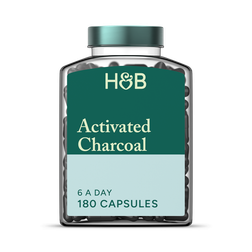
Holland & Barrett
£13.99
What does activated charcoal do?
The activation process creates lots of small holes on the surface of the charcoal. At the same time, it also expands and becomes more porous. This means that activated charcoal essentially acts as a sponge, soaking up all sorts of different chemicals from within the body and on the skin. It’s sponge-like qualities are one of the reasons why it’s used in a number of filtration products, such as water filters.3
What is activated charcoal used for?
Historically, activated charcoal has been used as an emergency medicine to treat drug overdoses and accidental poisoning. If the right amount is given quickly enough, it binds with drugs and poisons, reducing how much poison or medication is absorbed by the gut. In turn, this can help minimise how much damage is caused to the body.4
More recently, activated charcoal has been increasingly used in detoxing health products. For instance, in toothpastes, detox juices, face masks, deodorants, body washes and hair products, as well as supplements for issues, such as bloating and flatulence. While activated charcoal is a high-trending supplement and beauty ingredient, there’s limited scientific research to evidence all of the claims that are associated with it.
However, most products do come with customer reviews, which can help you to gauge their effectiveness and determine which product to go for.
Eating activated charcoal
Activated charcoal food has become all the rage on Instagram and other social feeds in recent months, but does that mean it’s ok to eat? It’s believed that eating small amounts of charcoal shouldn’t cause any harm or involve many side effects. However, the long-term impact of higher doses has yet to be studied.
You may already be aware of the activated charcoal supplements that are available that come with their own set of dosage and usage guidance (more on doses below).5 And while activated charcoal may be widely used to treat poisoning and drug overdoses by medical professionals, because of its ability to bind to the substance before your body absorbs it, there’s no stopping it from binding to other things within your body too.
For instance, vitamins, such as Vitamin C and minerals. It can also possibly prevent your body from fully absorbing any medications you may be taking.6 As for the types of activated food that’s out there, there appears to be no end of ways for adding it to meals. Examples include, activated charcoal:7

ice cream
pizza bases
yoghurt
burger buns
lattes
tea
bread
Macarons
juice
bagels
waffles
9 benefits of activated charcoal
Brightening up teeth
When activated charcoal is brushed on to the teeth it absorbs plaque, bacteria and stains from the teeth and gums. It can help combat cavities, bad breath and gum disease, and create a sparkling smile; perfect for those Insta-worthy moments.Fighting some of the signs of ageing
Activated charcoal absorbs toxins in the skin, which helps to prevent premature ageing. It’s one of the reasons why activated charcoal skincare is so popular with people wanting to maintain a youthful glow.Cleaning wounds and reducing itchiness from bites and stings
Activated charcoal is antibacterial and anti-inflammatory, which means it can reduce pain and swelling caused by bites and stings.
Applied topically, its porous properties absorb toxins from below the skin’s surface. You can either use an activated charcoal wipe or mix a little charcoal powder with water and apply it as a paste, before removing the mixture with a damp, clean cloth.Banishing oily skin
If you have oily skin, activated charcoal might just be the thing you need to help manage it.
The charcoal in activated charcoal face masks and cleansers absorbs unwanted excess oils, which can leave skin feeling smooth and less oily.Preventing bloating and alleviating gas
When consumed in tablet or capsule form, activated charcoal absorbs bacteria in the intestines and can relieve bloating, discomfort and flatulence.
It works by binding with by-products within the intestines that cause the discomfort and is best taken two hours before a meal or one hour after eating.Reducing cholesterol levels
Activated charcoal may also help reduce cholesterol levels due to the fact it can bind cholesterol and cholesterol-containing bile acids in the gut, preventing the body from absorbing them.8
According to one study, taking 24g of activated charcoal a day for four weeks lowered total cholesterol by 25% and bad LDL cholesterol by 25%. Good HDL cholesterol levels also increased by 8%.Filtering water
Activated charcoal is widely used to reduce heavy metal and fluoride content in water because it can trap carbon-based impurities, as well as chlorine. Once fully bonded, activated charcoal filters do stop working, so you’ll need to replace the filter.9,10Treating wounds
Activated charcoal may help wounds to heal due to the fact it can possibly draw toxins and other harmful properties out of the wound.
A four-week study involving 60 people found that when used in wound dressings, activated charcoal and silver helped purge harmful fluids and toxins from chronic venous leg ulcers, helping them to heal.11Preventing diarrhoea
Due to activated charcoal’s ability to trap toxins in the gut, it’s believed it may be able to prevent diarrhoea-causing bacteria and drugs from being absorbed by the body.
A review published in December 2017 in the Current Medical Research and Opinion concluded that activated charcoal is a suitable treatment option for diarrhoea, particularly because it has relatively few side effects compared with other anti-diarrheal treatments.12
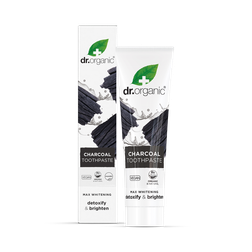
Dr Organic
£5.49
Activated charcoal side effects
The side effects of taking activated charcoal are believed to be minimal, especially if it’s being taken on a short-term basis and in small amounts. However, if taken orally on a long-term basis, it may cause:13
black stools
a black tongue
vomiting or diarrhoea
constipation
and, in more serious cases, gastrointestinal blockages

Activated charcoal dosage
The dosage depends on what you are taking activated charcoal for. For instance, for gastrointestinal decontamination, doctors might prescribe anywhere from 50 to 100g. For intestinal gas, the dosage could range from 500 to 1,000mg a day. A lower daily dose of 4 to 32g is recommended for lowering cholesterol levels.14
As is the case when taking all medication and supplements, speak to your GP and follow their advice on how much to take and follow the manufacturer’s guidance too.
Note – drinking more water while taking activated charcoal may help prevent you from becoming constipated.15
The side effects associated with taking smaller amounts of activated charcoal for a short period of time are reportedly minimal.
However, if taken on a long-term basis, it may cause side effects, such as constipation and vomiting.
Is activated coconut charcoal the same?
When to use activated charcoal supplements
Activated charcoal medication can be taken as tablets or capsules, while activated charcoal supplements can be taken as tablets or a powder that’s mixed with water or juice to create a drink. Because activated charcoal may interfere with the absorption of nutrients, other supplements and prescription medications, it should be taken on an empty stomach 60 to 90 minutes prior to meals and taking any other supplements or prescription medications.16
The final say
While activated charcoal has been historically used by medical professionals to help prevent drugs and poisons from being absorbed by the body, there are many more benefits associated with using it. And while the list of benefits linked to it have increased over the years, so too have the many ways in which it’s used, from supplements and skincare, to toothpaste, and even, food.
Whether you’re looking for a supplement to help ease flatulence and a bloated stomach, seeking a natural beauty product to clear up your skin, or fancy an snack with a difference, activated charcoal products could be just the thing you need.
- https://www.bbcgoodfood.com/howto/guide/what-activated-charcoal-and-it-safe
- https://www.healthline.com/nutrition/activated-charcoal#TOC_TITLE_HDR_2
- https://www.bbcgoodfood.com/howto/guide/what-activated-charcoal-and-it-safe
- https://www.bbcgoodfood.com/howto/guide/what-activated-charcoal-and-it-safe
- https://www.bbcgoodfood.com/howto/guide/what-activated-charcoal-and-it-safe
- https://www.self.com/gallery/activated-charcoal
- https://www.self.com/gallery/activated-charcoal
- https://www.healthline.com/nutrition/activated-charcoal#TOC_TITLE_HDR_7
- https://science.howstuffworks.com/environmental/energy/question209.htm
- https://www.healthline.com/nutrition/activated-charcoal#TOC_TITLE_HDR_8
- https://www.everydayhealth.com/diet-nutrition/activated-charcoal-functions-benefits-risks-where-to-buy/
- https://www.everydayhealth.com/diet-nutrition/activated-charcoal-functions-benefits-risks-where-to-buy/
- https://www.webmd.com/vitamins-and-supplements/activated-charcoal-uses-risks
- https://www.singlecare.com/blog/activated-charcoal-benefits/
- https://www.healthline.com/nutrition/activated-charcoal#TOC_TITLE_HDR_10
- https://enzymedica.com/blogs/ingredient-science/health-benefits-of-activated-coconut-charcoal
- https://enzymedica.com/blogs/ingredient-science/health-benefits-of-activated-coconut-charcoal


