20% off £40 or 15% off £30
 Track an order
 Buy It Again
 Favourites
 Manage account
 Rewards
 Subscriptions
 Find a store
 Help centre
Stress on your mind? Discover ingredients that may help support

Written byJodi M Johnson

Reviewed byHeeral Tomlinson
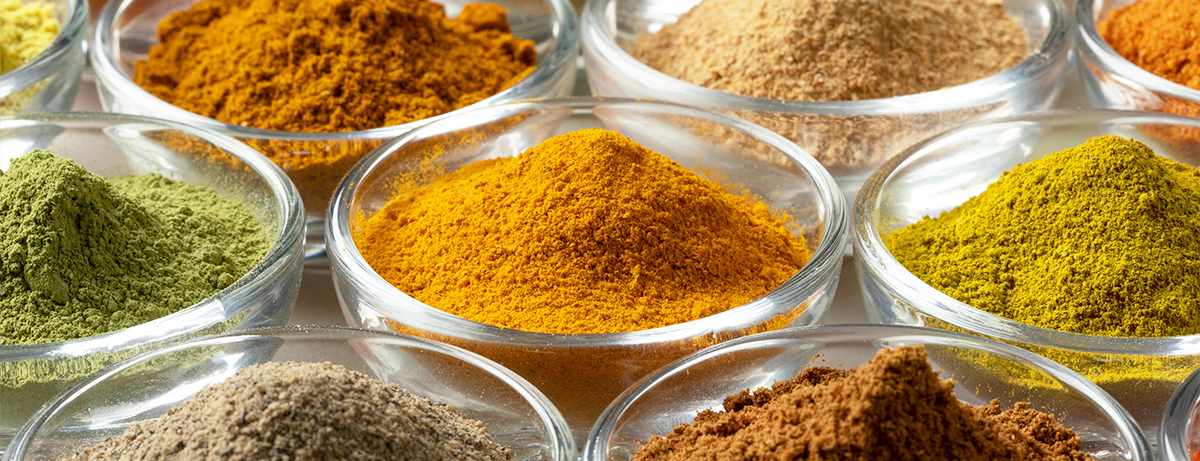
Feeling overwhelmed and stressed out? Stress can take its toll, so together let’s discover some of our favourite promising ingredients that may give you some relief
Summary
1Ashwagandha
Some early studies suggest ashwagandha may help lower cortisol levels, which tends to spike when you’re in 'fight or flight' mode.
2Korean ginseng
Korean ginseng (a form of Panax ginseng) shows promising, though modest evidence for helping with mental wellbeing.
3Omega-3
These healthy fats aren’t just good for your heart – omega-3s (DHA) may help you handle stress a little better.
Let’s face it – stress happens. Whether it’s tight deadlines, money worries or just trying to keep up with life, we all feel under pressure from time to time. A little stress is a normal part of life, but when it starts to build up and stick around, it can take its toll on both your mind and body.1
The good news? Some vitamins, minerals, herbs and amino acids may help support your body’s response to stress. While the research is still evolving, we've rounded up some of the ingredients showing promising potential – so you can stay cool, calm and collected (even when life isn’t).
Ingredients that may help manage stress
Ashwagandha
Let’s talk about ashwagandha – it might be tricky to pronounce, but it's one of the most well-known herbs for helping the body respond to stress. Used for centuries in Ayurvedic medicine, this adaptogen is thought to help the body adapt to stress and feel more balanced overall.2 Some early studies also suggest it may help lower cortisol – our stress hormone that tends to spike when we're stuck in 'fight or flight' mode.3-5
A review of nine clinical trials involving 558 participants found that ashwagandha significantly reduced stress, anxiety and cortisol levels (our stress hormone) compared to a placebo.5 While some mild to moderate side effects were reported, more studies are needed to better understand its long-term safety.5
Saffron
Saffron isn’t just known for adding colour and flavour to food
– it's also gaining attention for its potential mood-supporting and stress-relieving benefits. While researchers are still learning exactly how it works, early studies suggest saffron may help support the body's response to stress.6
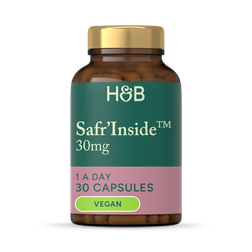
One standout? Safr’Inside™ – a clinically-studied saffron extract. In a small study involving 20 healthy men, it showed promise in helping the body respond better to stress and improving how participants coped with it mentally.7 Taking 30mg a day (containing at least 0.2% safranal) may help improve mood and reduce stress and anxiety after about eight weeks, based on the findings from three placebo-controlled studies in healthy adults.8 However, while these results are promising, more research is needed to confirm the long-term benefits.
Holland & Barrett
£16.79
£10.07
£0.34/1 Capsule
Korean ginseng
Korean ginseng (a form of Panax ginseng) has shown promising, although still emerging, potential for supporting mental wellbeing during times of stress. Early research suggests it may help reduce feelings of tiredness and fatigue (particularly in people who are already fatigued), support a balanced mood and maintain cognitive performance under pressure.9,10
These effects may be linked to the way Korean ginseng interacts with stress hormones, brain signalling and its natural anti-inflammatory and antioxidant properties. However, while the current findings are encouraging, more large-scale research is needed before we can fully understand its benefits.9,10
Maca root
Maca root has earned its reputation as a popular superfood. Some people say it helps them better manage the emotional and physical effects of stress.11 Packed with amino acids and antioxidants, maca may also help bring your body back into balance.12
While the science is still catching up, many people say they feel more relaxed, energised and ready to take on the day after adding maca to their routine. Although these experiences are largely anecdotal, maca continues to attract interest and more research is needed to better understand its potential benefits.
Other ingredients for brain health and cognition
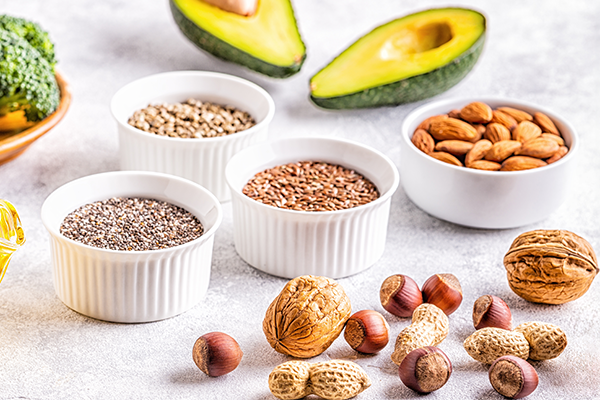
A few other ingredients are also showing promising potential for supporting brain health and overall wellbeing. While the evidence is still emerging, they're worth keeping on your radar.
Omega-3 fatty acids
These healthy fats aren’t just good for your heart – omega-3s (DHA) are thought to support brain function and may even help you handle stress a little better. How? Omega-3s can influence the way your brain produces and responds to key mood-regulating chemicals.13 One small but promising study (involving 33 participants in a double-blind trial) found that omega-3s may help support a more balanced mood. So, feeding your brain the good fats it needs may help support your mood and resilience when life feels a little more demanding.14,15
Zinc
Zinc is a vital mineral that helps keep your brain healthy. It helps brain cells communicate with one another and helps protect cells from oxidative stress.16 As we age, zinc levels in the body (and in the brain) tend to decline, which may weaken these protective and functional roles.16 When zinc is too low, the risk of cognitive decline, memory impairment and neural ageing increases.16
One review suggests that maintaining healthy zinc levels is linked to better cognitive function by supporting the brain's ability to create new neurons (neurogenesis), protect against oxidative stress and regulate
inflammation.16 In simple terms, zinc seems to help our brains stay sharp, especially as we get older. Its benefits aren’t magical or instantaneous, but it’s a mineral that may support resilience in the long run.
Guarana extract
One study in physically active adults found that people taking guarana before and after exercise reacted more quickly and consistently than those taking a placebo. Participants also reported feeling more alert.17-19 Although guarana naturally contains caffeine, researchers believe that other compounds in the plant – including tannins, saponins and flavonoids – may work alongside it to enhance or prolong its cognitive effects.17-19
Early research suggests guarana may help support alertness, attention and mental performance, particularly during physically or mentally demanding tasks. While the findings are promising, more research is needed to better understand its long-term benefits.17-19
Curcumin
Curcumin is a natural compound found in the root of the turmeric plant – the spice that gives many curries their distinctive yellow colour. It’s thought to have antioxidant and anti-inflammatory properties, which may help protect the body from oxidative stress and inflammation.20
In one 12-week study, healthy older adults taking a specific
curcumin supplement (Longvida®, 400mg a day) performed better in working memory tasks than those taking a placebo. Participants also reported feeling
less fatigued and experienced improvements in some measures of mood, including reduced tension and confusion.21 While not all of the results were significant, the findings suggest curcumin may help support working memory, reduce mental fatigue and support mood in healthy older adults.21 However, more research is needed to understand its long-term benefits.
Managing stress FAQs
No single food can reduce stress on its own, but eating a varied, balanced diet can help support your overall wellbeing and your body's response to stress. Some nutrients and ingredients – such as omega-3 fatty acids, ashwagandha and saffron – are being researched for their potential role in supporting mental stress resilience, although the evidence is still evolving.3,6,13
Managing stress often means looking at your overall lifestyle rather than relying on one solution. Regular exercise, good-quality sleep, a balanced diet and making time to relax can all help support your mental wellbeing. If stress is starting to affect your everyday life or feels difficult to manage, it's important to speak to your GP or a mental health professional for advice and support.
The final say
Stress is a normal part of life, but looking after your wellbeing becomes even more important when it starts to build up. While no single ingredient can make stress disappear, emerging research suggests that ingredients such as ashwagandha, saffron and Korean ginseng may help support your body's response to stress, while nutrients like omega-3 and zinc can help support overall brain health and wellbeing.
Feeling ready to relax? Explore our roundup of products to help you unwind or discover ways to elevate your self-care game.
*This product is not suitable if you are pregnant, breastfeeding, taking any medications, or have endocrine disorders, liver or heart problems, or clinical depression. This product is not intended for use by persons under the age of 18.
Disclaimer – This article provides informational advice and is not a substitute for medical care. Curated by experts for accuracy, we take great care to ensure the information is up-to-date and relevant. However, you should always consult your GP or healthcare professional before using supplements or alternative products, particularly if you have medical conditions or are under supervision.
1. National Health Service. Stress - Every Mind Matters [Internet]. nhs.uk. NHS; 2021. Available from: https://www.nhs.uk/every-mind-matters/mental-health-issues/stress/
2. Jaysing Salve, Pate S, Debnath K, Deepak Langade. Adaptogenic and Anxiolytic Effects of Ashwagandha Root Extract in Healthy Adults: A Double-blind, Randomized, Placebo-controlled Clinical Study. Cureus [Internet]. 2019 Dec 25 [cited 2023 Nov 6]; Available from: https://www.ncbi.nlm.nih.gov/pmc/articles/PMC6979308/
3. Gopukumar K, Thanawala S, Somepalli V, Rao TSS, Thamatam VB, Chauhan S. Efficacy and Safety of Ashwagandha Root Extract on Cognitive Functions in Healthy, Stressed Adults: A Randomized, Double-Blind, Placebo-Controlled Study. Hughes C, editor. Evidence-Based Complementary and Alternative Medicine. 2021 Nov 30;2021(1):1–10.
4. Langade D, Choudhary B, Shetty A. Efficacy of Ashwagandha (Withania somnifera [L.] Dunal) in improving cardiorespiratory endurance in healthy athletic adults. AYU (An International Quarterly Journal of Research in Ayurveda) [Internet]. 2015;36(1):63. Available from: https://www.ncbi.nlm.nih.gov/pmc/articles/PMC4687242/
5. Arumugam V, Vijayakumar V, Balakrishnan A, B Bhandari R, Boopalan D, Ponnurangam R, et al. Effects of Ashwagandha (Withania Somnifera) on stress and anxiety: A systematic review and meta-analysis. EXPLORE. 2024 Nov;20(6):103062.
6. Jackson PA, Forster J, Khan J, Pouchieu C, Dubreuil S, Gaudout D, et al. Effects of Saffron Extract Supplementation on Mood, Well-Being, and Response to a Psychosocial Stressor in Healthy Adults: A Randomized, Double-Blind, Parallel Group, Clinical Trial. Frontiers in Nutrition [Internet]. 2021 Feb 1 [cited 2023 Nov 6];7. Available from: https://www.frontiersin.org/articles/10.3389/fnut.2020.606124/full
7. Pouchieu C, Line Pourtau, Brossaud J, Gaudout D, Jean‐Benoît Corcuff, Capuron L, et al. Acute Effect of a Saffron Extract (Safr’InsideTM) and Its Main Volatile Compound on the Stress Response in Healthy Young Men: A Randomized, Double Blind, Placebo-Controlled, Crossover Study. Nutrients [Internet]. 2023 Jun 27 [cited 2023 Nov 6];15(13):2921–1. Available from: https://www.ncbi.nlm.nih.gov/pmc/articles/PMC10346743/
8. Schuster J, Mundhenke C, Nordsieck H, Pouchieu C, Pourtau L, Hahn A. Effect of a saffron extract on sleep quality in adults with moderate insomnia: A decentralized, randomized, double-blind, placebo-controlled trial. Sleep Medicine: X [Internet]. 2025 Jul 9;10:100147. Available from: https://www.sciencedirect.com/science/article/pii/S2590142725000102
9. Arring NM, Millstine D, Marks LA, Nail LM. Ginseng as a Treatment for Fatigue: A Systematic Review. The Journal of Alternative and Complementary Medicine. 2018 Jul;24(7):624–33.
10. Reay JL, Scholey AB, Kennedy DO. Panax ginseng (G115) improves aspects of working memory performance and subjective ratings of calmness in healthy young adults. Human Psychopharmacology: Clinical and Experimental. 2010 Aug 19;25(6):462–71.
11. Ai Z, Cheng A, Yu YT, Yu L, Jin W. Antidepressant-Like Behavioral, Anatomical, and Biochemical Effects of Petroleum Ether Extract from Maca (Lepidium meyenii) in Mice Exposed to Chronic Unpredictable Mild Stress. Journal of Medicinal Food [Internet]. 2014 May 1 [cited 2023 Nov 7];17(5):535–42. Available from: https://www.ncbi.nlm.nih.gov/pmc/articles/PMC4025608/
12. Gonzales GF. Ethnobiology and Ethnopharmacology of Lepidium meyenii (Maca), a Plant from the Peruvian Highlands. Evidence-based Complementary and Alternative Medicine [Internet]. 2012 Jan 1 [cited 2023 Nov 7];2012:1–10. Available from: https://www.ncbi.nlm.nih.gov/pmc/articles/PMC3184420/
13. Dighriri IM, Alsubaie AM, Hakami FM, Dalal Hamithi, Maryam Mohammed Alshekh, Khobrani FA, et al. Effects of Omega-3 Polyunsaturated Fatty Acids on Brain Functions: A Systematic Review. Cureus [Internet]. 2022 Oct 9 [cited 2023 Nov 7]; Available from: https://www.ncbi.nlm.nih.gov/pmc/articles/PMC9641984/
14. DiNicolantonio JJ, O’Keefe JH. The Importance of Marine Omega-3s for Brain Development and the Prevention and Treatment of Behavior, Mood, and Other Brain Disorders. Nutrients [Internet]. 2020 Aug 4 [cited 2023 Nov 7];12(8):2333–3. Available from: https://www.ncbi.nlm.nih.gov/pmc/articles/PMC7468918/
15. Madison AA, Belury MA, Andridge R, Renna ME, M. Rosie Shrout, Malarkey WB, et al. Omega-3 supplementation, and stress reactivity of cellular aging biomarkers: an ancillary substudy of a randomized, controlled trial in midlife adults. Molecular Psychiatry [Internet]. 2021 Apr 20 [cited 2023 Nov 6];26(7):3034–42. Available from: https://www.ncbi.nlm.nih.gov/pmc/articles/PMC8510994/
16. Sun R, Wang J, Feng J, Cao B. Zinc in Cognitive Impairment and Aging. Biomolecules [Internet]. 2022 Jul 1;12(7):1000. Available from: https://www.mdpi.com/2218-273X/12/7/1000/htm#B22-biomolecules-12-01000
17. Gurney T, Bradley N, Izquierdo D, Ronca F. Cognitive Effects of Guarana Supplementation with Maximal Intensity Cycling. The British Journal of Nutrition [Internet]. 2022 Sep 23;130(2):1–21. Available from: https://pubmed.ncbi.nlm.nih.gov/36146946/#:~:text=Guarana%20supplementation%20appears%20to%20impact
18. Hack B, Penna EM, Talik T, Chandrashekhar R, Millard-Stafford M. Effect of Guarana (Paullinia cupana) on Cognitive Performance: A Systematic Review and Meta-Analysis. Nutrients. 2023 Jan 14;15(2):434.
19. Kennedy DO, Haskell CF, Wesnes KA, Scholey AB. Improved cognitive performance in human volunteers following administration of guarana (Paullinia cupana) extract: comparison and interaction with Panax ginseng. Pharmacology Biochemistry and Behavior. 2004 Nov;79(3):401–11.
20. NCI Dictionary of Cancer Terms [Internet]. Cancer.gov. Cancer.gov; 2024. Available from: https://www.cancer.gov/publications/dictionaries/cancer-terms/def/curcumin
21. Cox KHM, White DJ, Pipingas A, Poorun K, Scholey A. Further Evidence of Benefits to Mood and Working Memory from Lipidated Curcumin in Healthy Older People: A 12-Week, Double-Blind, Placebo-Controlled, Partial Replication Study. Nutrients. 2020 Jun 4;12(6):1678.
Related to this article


