 Track an order
 Buy It Again
 Favourites
 Manage account
 Rewards
 Subscriptions
 Find a store
 Help centre
What is hyaluronic acid? Benefits, uses and how to add it to your routine

Written byJodi M Johnson

Reviewed byHeeral Tomlinson
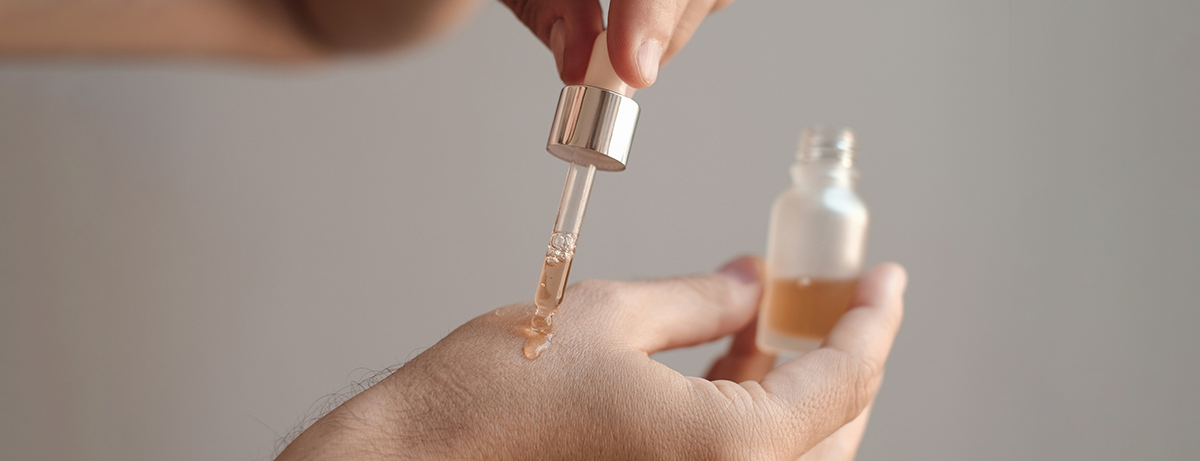
Hyaluronic acid is everywhere in skincare – but what does it actually do? From hydration to smoothness, find out why it’s earned cult status
Summary
1What is hyaluronic acid?
Hyaluronic acid (HA) is a naturally occurring molecule that helps the skin retain moisture. Almost half of the body’s HA is found in the skin.
2Possible hyaluronic acid benefits
Hyaluronic acid is often described as a hydration hero. Research suggests it may help reduce the look of fine lines, improve firmness and boost skin.
3Is hyaluronic acid safe?
You can breathe a sigh of relief – although the name may sound a little scary, there’s evidence to show that hyaluronic acid is safe to use.
In recent years, hyaluronic acid has skyrocketed to fame as a superstar ingredient in the beauty industry. From moisturisers and skin protectors to anti-ageing creams, this alleged powerhouse seems to pop up everywhere.1 But do you really know what it is or what it does?
Whether you have stacks of skincare products in your bathroom cupboard or are looking to build a skincare routine from scratch, there’s always more to uncover and understand about the science behind their ingredients, and hyaluronic acid is no exception. Let’s get to grips with this skincare ingredient that has everyone talking and discover how it might help to up your skincare game.
What is hyaluronic acid?
Hyaluronic acid, often referred to simply as HA, is the key molecule involved in skin moisture.2 Naturally present in your body, it’s found in abundance in your skin – almost 50% of the hyaluronic acid in your entire body is stored there.2 But as you age, the natural production of hyaluronic acid and collagen starts to decline, leading to skin dehydration and the formation of fine lines and wrinkles.3
Hyaluronic acid’s unique molecular structure gives it the ability to hold approximately 1,000 times its weight in water.1 So it’s thought that applying hyaluronic acid skincare products may help replenish lost moisture and combat the side effects of natural HA depletion.4
Is hyaluronic acid hydrating?
Yes, topical hyaluronic acid is hydrating. It helps the skin hold on to water, which improves hydration and keeps your skin feeling moisturised. This is one of the reasons it’s commonly used in skincare products designed to leave skin feeling softer, smoother and more supple.7
It can also be a good ingredient to use after being in the sun, as hyaluronic acid supports your skin while also helping the skin retain moisture.8 Since sun exposure can leave skin feeling dry and stressed, hyaluronic acid may help soothe the skin afterwards.8
Possible hyaluronic acid benefits
Hyaluronic acid has earned a good reputation in the beauty community as a hydrating and anti-ageing ingredient. And now, emerging scientific evidence is starting to back up the proclaimed benefits. While more research is needed, hyaluronic acid is already associated with a range of potential skin benefits, including:
HA has been found to play a key role in supporting the structure of collagen and elastin in the skin. But as we age, the level of HA in the skin naturally decreases, which can affect how collagen and elastin fibres sit in the skin, potentially leading to the formation of fine lines.1,3 The hydrating abilities of hyaluronic acid may help to slow down wrinkle formation and may even improve deep fine lines and wrinkles caused by the natural ageing process.1 In fact, one small study found that applying hyaluronic acid regularly to the face for eight weeks reduced visible wrinkle depth by up to 40%.5
The same study revealed that using hyaluronic acid on the skin boosted participants’ skin firmness by 55%.5 This is again due to HA’s ability to trap moisture in the skin, helping to keep it hydrated and giving it a rejuvenated and youthful glow.1,4
Dry skin can strike us all, especially during the colder winter months. If you find it tricky to quench your skin's thirst, a HA product could be the answer. Hyaluronic acid is pretty much the holy grail of skin hydration – when used for more than two weeks, it’s been shown to increase the moisture in the skin by up to 96%.5 By enhancing skin elasticity, HA not only helps to slow down wrinkle formation but can also leave your skin feeling softer, smoother and more radiant.1,5
How to use hyaluronic acid
Hyaluronic acid is most commonly used in topical form – think gels, creams and serums. Not sure which option to go for? Explore our top picks for hyaluronic acid products to find your perfect match. It's important to read the label of the product you’re using. Most can be applied twice a day onto damp, clean skin. Hyaluronic acid can be used alongside other skincare staples, such as retinol and collagen, but you should always check how to use them together safely.
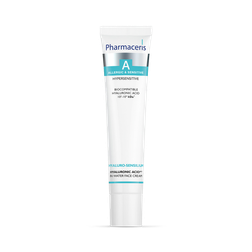
Pharmaceris
£25.00
£625.00/1 l
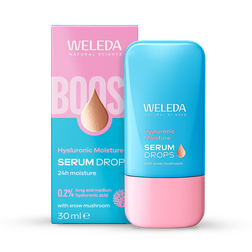
Weleda
RRP £12.95
£9.71
£323.67/1 l
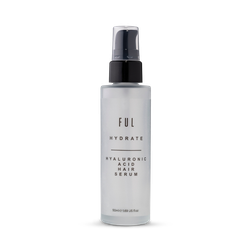
FUL
£33.00
£660.00/1 l
Is hyaluronic acid safe?
You can breathe a sigh of relief – although the name may sound a little scary, there’s evidence to show that hyaluronic acid is safe to use on the skin.4
Unlike some skincare acids, it’s also safe to use throughout pregnancy, so you don’t have to wave goodbye to skin hydration while waiting for your baby to arrive.6
Hyaluronic acid FAQs
You don’t really have to avoid mixing hyaluronic acid with any specific ingredient, but you should be careful with strong actives like glycolic or salicylic acid, retinoids and benzoyl peroxide because they can cause dryness or irritation. HA itself is gentle and mainly works by hydrating the skin but layering incorrectly or using too many strong products together can overwhelm or dry out your skin. In very dry environments, HA should always be sealed in with a moisturiser or it can pull moisture from the skin instead of adding it.
Yes, hyaluronic acid can be used every day. It’s a hydrating ingredient that helps your skin hold onto moisture, so it’s suitable for regular use. The main thing is to apply it to slightly damp skin and follow with a moisturiser.
Retinol and hyaluronic acid do different jobs, so neither is strictly ‘better’ for older skin. Retinol is stronger for anti-ageing because it helps reduce appearance of fine lines, wrinkles and improve texture over time, but it can cause dryness or irritation.9 Hyaluronic acid mainly helps hydrate and plump the skin, making it look smoother and more comfortable, but it doesn’t treat wrinkles long-term. In most routines, they work best together: retinol for long-term improvement and hyaluronic acid to keep skin feeling moisturised.
Research suggests that topical vitamin C helps support radiant and glowing skin, while hyaluronic acid helps skin retain moisture and feel smoother. Together, they may improve skin texture and support the appearance of softer, healthier-looking skin.10
The final say
So, is hyaluronic really worth the hype? Emerging scientific evidence seems to back it up and it seems this skincare ingredient could deserve its long-standing popularity. While shaking up your skincare routine can seem daunting, adding a hyaluronic acid product can be as simple as swapping your moisturiser.
Whether you’re looking for a daily HA moisturiser to keep your skin looking fresh and glowing or award-winning natural HA serums to help hydrate your skin, browse our full hyaluronic acid collection and see the benefits of this skincare ingredient for yourself.
Disclaimer – This article provides informational advice and is not a substitute for medical care. Working with experts for accuracy, we take great care to ensure the information is up-to-date and relevant. However, you should always consult your GP or healthcare professional before using supplements or alternative products, particularly if you have medical conditions or are under supervision.
1. Bukhari SNA, et al. Hyaluronic acid, a promising skin rejuvenating biomedicine: A review of recent updates and pre-clinical and clinical investigations on cosmetic and nutricosmetic effects. Int J Biol Macromol. 2018;120(Pt B):1682–95. https://doi.org/10.1016/j.ijbiomac.2018.09.188
2. Papakonstantinou E, et al. Hyaluronic acid: A key molecule in skin aging. Dermato-endocrinol. 2012;4(3):253–8. https://doi.org/10.4161/derm.21923
3. Walker K, et al. Hyaluronic acid. Treasure Island (FL): StatPearls Publishing; 2024. Available from: http://www.ncbi.nlm.nih.gov/books/NBK482440/
4. Bravo B, et al. Benefits of topical hyaluronic acid for skin quality and signs of skin aging: From literature review to clinical evidence. Dermatol Ther. 2022;35(12):e15903. https://doi.org/10.1111/dth.15903
5. Jegasothy SM, et al. Efficacy of a new topical nano-hyaluronic acid in humans. J Clin Aesthet Dermatol. 2014;7(3):27–9. https://www.ncbi.nlm.nih.gov/pmc/articles/PMC3970829
6. Putra IB, et al. Skin changes and safety profile of topical products during pregnancy. J Clin Aesthet Dermatol. 2022;15(2):49–57 https://www.ncbi.nlm.nih.gov/pmc/articles/PMC8884185/
7. Draelos ZD, Diaz I, Namkoong J, Wu J, Boyd T. Efficacy Evaluation of a Topical Hyaluronic Acid Serum in Facial Photoaging. Dermatology and Therapy. 2021 Jun 26;11(4):1385–94.
8. Shaheen AE, Gebreel HM, Moussa LA, Zakaria AE, Nemr WA. Photoprotection Against UV-Induced Skin Damage Using Hyaluronic Acid Produced by Lactiplantibacillus plantarum and Enterococcus durans. Current Microbiology [Internet]. 2023;80(8):262. Available from: https://www.ncbi.nlm.nih.gov/pmc/articles/PMC10299924/
9. Quan T. Human Skin Aging and the Anti-Aging Properties of Retinol. Biomolecules [Internet]. 2023 Nov 1;13(11):1614. Available from: https://www.mdpi.com/2218-273X/13/11/1614
10. Žmitek K, Žmitek J, Hristov H, Rogl Butina M, Keršmanc P, Pogačnik T. The Effects of Dietary Supplementation with Collagen and Vitamin C and Their Combination with Hyaluronic Acid on Skin Density, Texture and Other Parameters: A Randomised, Double-Blind, Placebo-Controlled Trial. Nutrients [Internet]. 2024 Jan 1;16(12):1908. Available from: https://www.mdpi.com/2072-6643/16/12/1908
Related to this article


