 Track an order
 Buy It Again
 Favourites
 Manage account
 Rewards
 Subscriptions
 Find a store
 Help centre
Echinacea
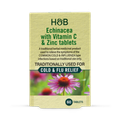
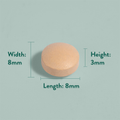
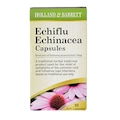
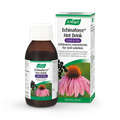

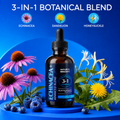
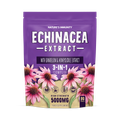
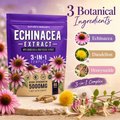
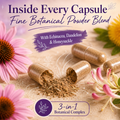
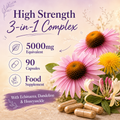

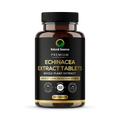



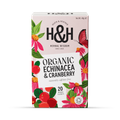
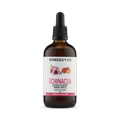
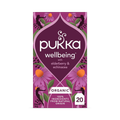
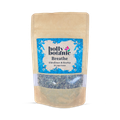
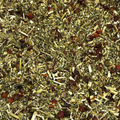

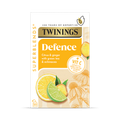


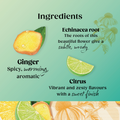

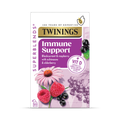


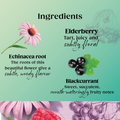

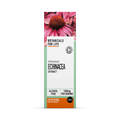
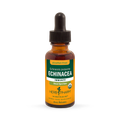


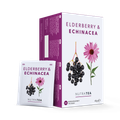
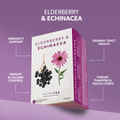
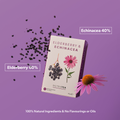
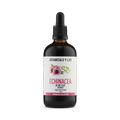
Shop Echinacea at Holland & Barrett Today
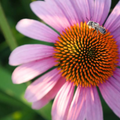
Echinacea, or coneflower, is a herb used in traditional herbal medicine, as some believe that it can benefit the immune system. Echinacea is a genus of daisies native to North America. As a herbal supplement, it is available in various forms, including capsules, tablets, drops, teas, and sprays.
Benefits of Echinacea
While its benefits are unproven, echinacea is traditionally used by people experiencing symptoms of cold or flu. The herb is rich in antioxidants, and could potentially have anti-inflammatory properties.
How to Take Echinacea & Recommended Dosage
The appropriate dosage of echinacea depends on the product form. Echinacea capsules and tablets are typically taken in doses of 300-500 mg up to three times a day. Echinacea drops should be used as directed on the label, usually a few drops mixed with water. For those who enjoy herbal teas, one to three cups of echinacea tea per day is recommended.
Can You Take Echinacea Every Day?
While echinacea is commonly used during cold and flu season, it is generally for short-term use. Some experts suggest taking it for up to eight weeks before taking a break.
Echinacea Side Effects & Who Should Not Take It
Although echinacea is safe for most people, some may experience mild stomach discomfort or allergic reactions, particularly if they have allergies to plants in the daisy family. It may also interact with certain medications.
How Long Does Echinacea Stay in Your System?
Echinacea is typically metabolized within 24 hours, though its effects may last longer depending on the dosage and individual metabolism.


