Explore related topics

Myth busting: does ‘andropause’ exist?

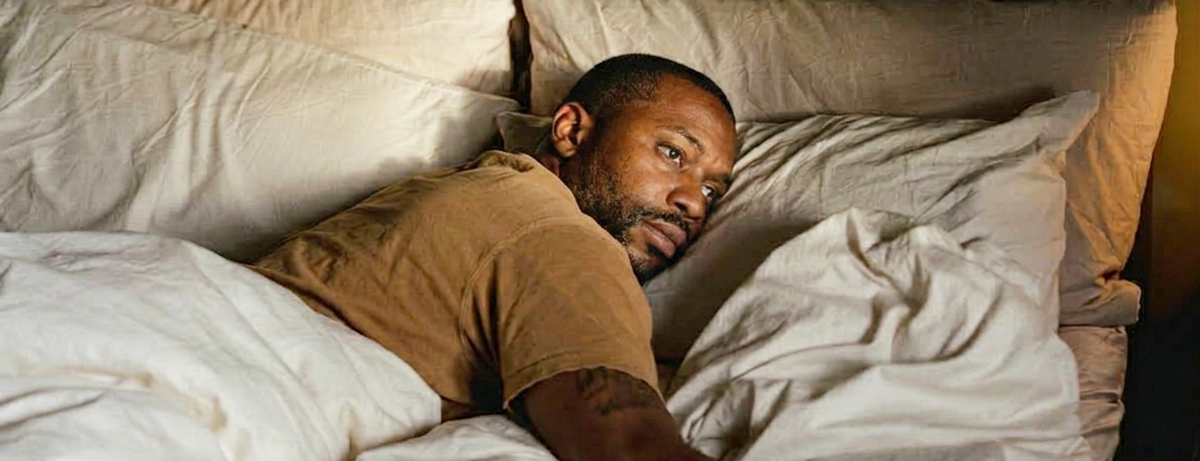
Male in bed looking towards the right, calm expression
Heard of ‘andropause’, sometimes called ‘male menopause’? We break down what happens to testosterone as you age – and what could be behind the symptoms

Summary

1What is ‘andropause’?

‘Andropause’ or ‘male menopause’ describes symptoms some men experience as they get older. However, it isn't widely used by medical professionals.

2Andropause symptoms: what's sometimes associated

As some men get older, they may experience changes including mood swings, erectile dysfunction or difficulty sleeping.

3Can men get hot flushes?

Yes, though they’re not a typical feature of normal ageing. Hot flushes can occur in men when testosterone levels are very low.

Explore related topics

Most of us know about menopause – a complex hormonal life stage that almost every woman will experience. But if you’re a man noticing changes in your energy, mood or body as you get older, you might be wondering whether hormones could be behind them. You might have heard the terms ‘male menopause’ or ‘andropause’ floating around... but can they actually be compared to menopause?

The short answer: no. But that doesn't mean your symptoms don't exist. We bust the myths around ‘andropause’, explore when hormones could be playing a part and look at what can help you feel more like yourself in your forties, fifties and beyond...

What is ‘andropause’?

‘Andropause’, sometimes called the ‘male menopause’, is a term used to describe a collection of symptoms some men experience as they get older. However, it isn't widely used by medical professionals, including the NHS, as it suggests a comparison with menopause that isn't accurate.1 While menopause is a hormonal life stage that almost every woman will experience, not all men experience these symptoms and they can have many different causes. In some men, symptoms may be associated with clinically low testosterone, known as hypogonadism.1 Although testosterone naturally declines gradually with age, the NHS says this normal decline is unlikely to cause problems by itself.

Andropause symptoms: what's sometimes associated with 'andropause'?

As some men get older, they may experience changes including:1

What causes symptoms associated with ‘andropause’?

Changes in sleep, activity levels, stress, diet and general health can all influence how you feel as you get older. These factors can also overlap with symptoms sometimes attributed to ‘andropause’.1 Of course, these changes can have a real impact on your wellbeing and you don’t have to simply accept them as ‘part of getting older'. Speak to your GP if you're noticing symptoms that are interfering with your daily life.

Should we be calling it ‘andropause’?

According to the NHS, the term ‘andropause’ is unhelpful and misleading because it suggests that symptoms are similar to female menopause – which it isn't.1 So, what actually happens to male hormones as we get older? A testosterone deficiency that develops later in life (also known as late-onset hypogonadism) can sometimes be responsible for these symptoms, but in many cases the symptoms are nothing to do with hormones. Testosterone levels generally decline gradually with age, although the rate varies between individuals and can also be influenced by factors such as health and body weight.1,2,3

Can men get hot flushes?

Yes, men can experience hot flushes – although they’re not a typical feature of normal ageing. Hot flushes can occur when testosterone levels are very low.4 Hot flushes in men can also be linked to hormone therapy or severe testosterone deficiency, so if you’re experiencing them it’s worth speaking to a GP.

As a man in my 40s, why do I keep waking up at night?

Sleep can become more fragmented with age, and sleep problems can have many causes. Sleep disturbance is also reported among the symptoms associated with low testosterone.5 But there are plenty of other possible causes, many of which are more common in your forties and beyond. Other reasons include (but aren’t limited to):6

  • stress

  • age-related changes in your body clock

  • changes in your caffeine or alcohol consumption

  • waking up to use the toilet more often

  • medical conditions like sleep apnoea

One reason some people wake more often to urinate as they get older is that the body's normal night-time pattern of antidiuretic hormone (ADH) can change, which may increase urine production at night. However, there are several possible causes of waking to urinate, including changes to the bladder, prostate problems, drinking habits and some health conditions.7,8

What can I do about symptoms associated with 'andropause'?

If you’re experiencing some of these symptoms, speak to your GP first. In the case that they’ve ruled out anything serious, focusing on your diet and exercise could be a good place to start. There isn't a specific diet for ‘andropause’. Instead, aim for a varied, balanced diet that provides a range of nutrients.

'Andropause' FAQs

What age do men go through andropause?

There isn't a set age for ‘andropause’ because it isn't a recognised medical life stage. Testosterone levels generally change gradually with age, while symptoms such as low energy, changes in mood, sleep problems or reduced sex drive can have many different causes.1
 

Can ‘andropause' be reversed?

Because ‘andropause’ isn't a recognised medical condition, there isn't one treatment or way to ‘reverse’ it. The appropriate approach depends on what is causing the symptoms. If you're concerned about symptoms affecting your everyday life, speak to a healthcare professional.
 

Does 'andropause' happen to all men?

No – ‘andropause’ isn't a recognised life stage that all men go through. While testosterone levels naturally decline gradually with age, the symptoms associated with ‘andropause’ aren't experienced by everyone and may have a range of other causes, including stress, changes in family life and normal changes associated with ageing.
 

The final say

Changes to your energy, mood, sleep or sex drive are real, whatever might be behind them. Looking after the basics – eating a varied and colourful diet, staying active, getting enough good-quality sleep and managing stress where you can – can all help support your health as you get older. Still, there’s no magic formula – so speak to your GP if you’re experiencing symptoms that are affecting your everyday life or you’re concerned your hormones could be playing a part.

Disclaimer – This article provides informational advice and is not a substitute for medical care. Working with experts for accuracy, we take great care to ensure the information is up-to-date and relevant. However, you should always consult your GP or healthcare professional before using supplements or alternative products, particularly if you have medical conditions or are under supervision.

Sources

1. NHS. The ‘male menopause’ [Internet]. NHS [reviewed 2022 Oct 13; cited 2026 Aug 26]. Available from: https://www.nhs.uk/conditions/male-menopause/
2. European Association of Urology (EAU). Sexual and Reproductive Health – Male Hypogonadism [Internet]. EAU [reviewed 2024; cited 2026 Aug 26]. Available from: https://uroweb.org/guidelines/sexual-and-reproductive-health/chapter/male-hypogonadism
3. Camacho EM et al. Age-associated changes in hypothalamic-pituitary-testicular function in middle-aged and older men are modified by weight change and lifestyle factors: longitudinal results from the European Male Ageing Study. Eur J Endrocrinol [Internet]. 2013 Feb 20 [cited 2026 Aug 26]; 168(3): 445-55. Available from: https://pubmed.ncbi.nlm.nih.gov/23425925/
4. British Association of Urological Surgeons (BAUS). Male menopause (androgen deficiency in the ageing male) [Internet]. BAUS [reviewed 2024 Mar; cited 2026 Aug 26]. Available from: https://www.baus.org.uk/patients/conditions/7/male_menopause_androgen_deficiency_in_the_ageing_male/
5. Mander BA, Winer JR, Walker MP. Sleep and Human Aging. Neuron [Internet]. 2017 Apr 5 [cited 2026 Aug 26]; 94(1): 19-36. Available from: https://pmc.ncbi.nlm.nih.gov/articles/PMC5810920/
6. NHS. Insomnia [Internet]. NHS [reviewed 2024 Mar 19; cited 2026 Aug 26]. Available from: https://www.nhs.uk/conditions/insomnia/
7. NHS Guy’s and St Thomas’. Nocturia – getting up at night to pee [Internet]. NHS Guy’s and St Thomas’ [reviewed 2024 Feb; cited 2026 Aug 26]. Available from: https://www.guysandstthomas.nhs.uk/health-information/nocturia-getting-night-pee
8. van Doorn B, Bosch JLHR. Nocturia in older men. Maturitas [Internet]. 2012 Jan [cited 2026 Aug 26]; 71(1): 8-12. Available from: https://pubmed.ncbi.nlm.nih.gov/22079871/
 
Sign up for exclusive offers

Plus, get expert advice to support your health & wellness straight to your inbox when you sign up to Holland & Barrett emails.