 Track an order
 Buy It Again
 Favourites
 Manage account
 Rewards
 Subscriptions
 Find a store
 Help centre
Fad diets explained: are soup-based diets healthy?

Written byMillicent Chapman

Reviewed byHeeral Tomlinson
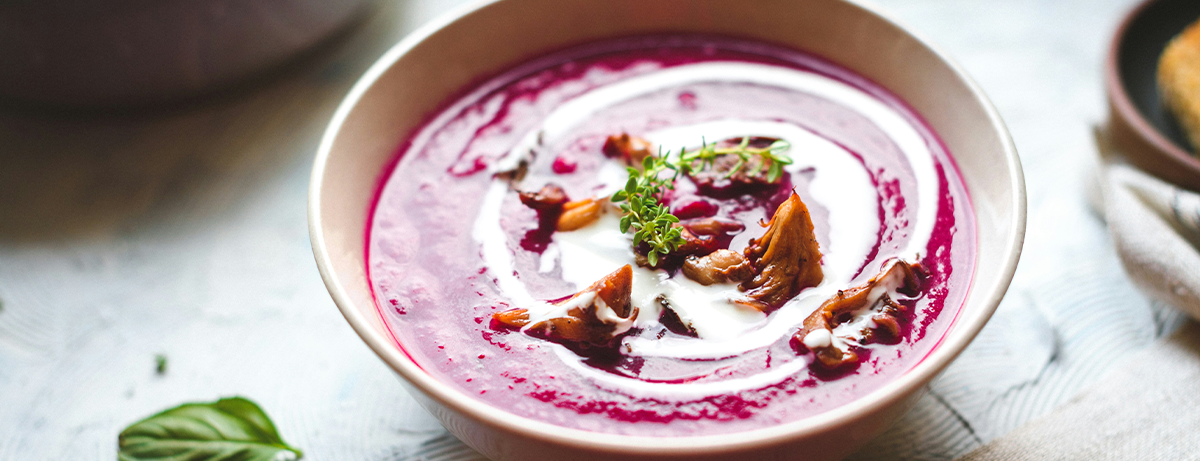
The soup diet: has it got any substance? Find out whether this ‘fad diet’ can ever be done safely and how to add protein, fibre and nutrition to your soups
Summary
1What are single food diets?
‘Single food diets’ restrict your diet to one type of food or drink. Unless they’re done under your doctor’s orders, these are considered ‘fad diets’.
2Restrictive diets: busting the myths
If a diet sounds too good to be true, it probably is. Here’s why ‘fad diets’ might seem appealing, plus why you shouldn’t let these reasons sway you.
3Making balanced, nutrient-dense soups
Soups can absolutely be part of a balanced menu – here’s how to build a nutritious, filling soup as part of a healthy meal pattern.
As humans, we’ve been thinking up diet plans for thousands of years.1 In retrospect, some are ridiculous (we’re looking at you, the ‘Egg and Wine Diet’) and others have surprisingly stuck around. One example is ‘single food diets’ – meal plans focused solely on one food. Popular versions include living off soup, meat, fruit juice or grapefruit for days at a time in the hopes of dropping some pounds. The problem? Well... it’s pretty bad for you.
So, what do you need to know about single food diets like the soup diet? And are there ways to make them nutritious, filling and even tasty? (Short answer: if you’re sticking purely to one food item, then no.) But you can still include these foods as part of your wider menu. With insight from H&B nutritionist Millicent Chapman, we’ll learn the risks behind ‘fad’ diets, plus how to add filling and flavoursome sources of protein, fibre and carbs to any diet...
What are 'single food diets'?
‘Single food diets’ involve restricting your diet to one type of food or drink. Some are more flexible than others, but unless they’re done under your doctor’s orders, these are considered ‘fad diets’ and there’s no way to make them safe or sustainable.
Restrictive diets: busting the myths
If you’re looking into a single-food diet, you might have heard about the pros. But if a diet sounds too good to be true, it probably is. Here’s why ‘fad diets’ like the soup diet might seem appealing, plus why you shouldn’t let these reasons sway you...
1. ‘It’s simple to follow’
You might think: no calorie counting, no complicated macros – just soup for breakfast, lunch and dinner. But even if a Cream of Tomato for breakfast sounds tolerable, it’s still very easy to miss out on certain nutrients and food groups. It’s possible to pack soups with added sources of protein, carbs and healthy fats to keep them balanced but they still shouldn’t be your only meal.
2. ‘It’s designed for quick results’
Sometimes, it can be tempting to go to extreme lengths to meet your weight loss goals. But there’s almost never a safe way to lose weight in a matter of days. Any weight loss you do experience is likely to be water and muscle loss rather than fat loss, and you’ll probably gain it back once you return to a normal diet.2,3 Plus, proper nutrition goes deeper than your body weight. If followed for a long time, restrictive diets could cause serious damage to your body including iron deficiency anaemia or osteoporosis.2
“Diets that promise rapid results within a short timeframe should be approached with caution,” explains Millicent. “For example, the NHS recommends aiming for a gradual and sustainable weight loss of around one to two lbs per week.”

3. ‘You’ll eat lots of vegetables’
Soups are mainly made of veg – so they’re good for you, right? While vegetables are full of vitamins and minerals, they can’t provide adequate amounts of food groups like protein, fats and carbohydrates. Your body needs these to maintain proper muscle function, give you energy, support your cognitive function and more.
4. ‘Anyone can do it’
Even if you’re considered healthy, it’s important to follow proper weight management practices and we don’t recommend restrictive diets for anyone. “When aiming for weight loss, particular emphasis should be placed on adequate protein and fibre intake. Both nutrients support appetite regulation by promoting satiety (fullness). This should be combined with a calorie deficit, meaning energy intake is lower than energy expenditure,” explains Millicent. Restricting your nutrition can be extremely risky if you’re pregnant, you’re very physically active or you have a condition such as diabetes where you need to monitor your nutritional intake. In these cases, you should speak to your healthcare professional, such as your doctor or registered dietician, before trying any new diets.
5. ‘It’ll make you feel good’
You might feel motivated at first, but restricting your nutrition comes with unwanted side effects. Without the fuel to keep your body working, you’ll begin to feel very tired and you might also experience irritability and bad breath.2 If you’re cutting out certain nutrients for longer periods, you might experience things like hair thinning, changes to your mood and concentration or becoming ill more often.4-9 Depending on the foods you’re cutting out, your gut might also respond with constipation, gas or general digestive discomfort.2
Making balanced, nutrient-dense soups: Millicent’s top tips
“If a diet is overly restrictive or lacking in key nutrients, it may lead to deficiencies and associated health concerns,” says Millicent. So, a soup-only diet is off the cards. But soups can absolutely be part of a balanced menu – here’s how to build a nutritious, filling soup as part of a healthy meal pattern…
- Go for complex carbohydrates: “sweet potato, quinoa and brown rice provide slow-releasing energy. Unlike simple carbohydrates, they digest gradually, helping to maintain sustainable energy levels and prevent that mid-afternoon slump. They also contain fibre, which supports healthy digestion and promotes appetite regulation.”
- Add plant proteins: “whether or not you’re veggie, plant proteins like lentils, beans and chickpeas can promote satiety and muscle repair, while also being a source of fibre, iron and other micronutrients. They’re especially useful for making soups heartier without being heavy.” Try roasting chickpeas with spices and sprinkling them on top for some crunch
- Keep meats lean: “proteins like chicken and turkey offer high-quality protein with less saturated fat. Protein supports muscle function, maintenance and overall recovery alongside further supporting appetite regulation.”10 Shred, dice or mince meats for extra variety
- Make broth your bestie: “bone broth is also a source of protein and contains natural collagen, alongside adding a flavour boost.”
- Don’t be afraid of healthy fats: “what we call ‘good fats’ – for example from fish, extra virgin olive oil or avocado – can help with the absorption of fat-soluble vitamins like A, D, E and K.11,12 They (particularly fish) contain fatty acids such as omega-3 which contributes to heart health and has some anti-inflammatory properties. As well as these, healthy fats can add richness, improving both flavour and satisfaction.” And even the less ‘healthy’ fats can be enjoyed in moderation, so don’t be afraid to add a drizzle of oil, a dollop of guac (chilli bean soup, anyone?) or a swirl of peanut butter – think Satay style
- Embrace variety: refreshing clear consommé, soul-warming stew, coconut curry broth or even a cold soup (gazpacho or ’70s-style melon soup sound appealing)? The world’s your oyster... which reminds us to add chowder to the list
Restrictive diet FAQs
If you’re eating homemade soups full of vegetables, or premade soups low in salt and sugar, it’s likely that you’ll lose weight by eating soup for a week. However, it’s also likely that you’ll regain this weight once you resume your normal diet – so this diet isn’t sustainable or recommended, unless specified by your doctor.
Fad diets often involve cutting out particular foods entirely. They focus on fast results (such as weight loss or improving certain symptoms) and may claim that the foods you’re eating have special ‘fat-burning’ abilities.13 They’re also not endorsed by health organisations like the NHS or the Association of UK Dietitians (BDA).
Some structured diets, like the Mediterranean diet, are safe for most people to follow. Although they’re based around a set of core principles, they focus on what foods to add to your diet rather than what to exclude. They promote nutritional variety (for example, including a range of fruit and veg, lean meats and fish, whole grains and healthy fats) alongside occasional treats or less nutritionally balanced foods.
The final say
While soups can be a healthy and convenient part of a balanced diet, restrictive approaches like soup-only diets aren’t supported by evidence and aren’t something we’d recommend. Nutritional balance combined with moderate exercise is the best way to lose weight safely and keep it off – so why not take inspiration from our filling recipes that don’t skimp on your favourite foods?
Whip up our high-fibre spiced cauliflower soup with crunchy chickpeas or enjoy a 30-minute tofu ramen...
Disclaimer – This article provides informational advice and is not a substitute for medical care. Working with experts for accuracy, we take great care to ensure the information is up-to-date and relevant. However, you should always consult your GP or healthcare professional before using supplements or alternative products, particularly if you have medical conditions or are under supervision.
1. Zhao Z, Guo P, Brand E. A concise classification of bencao (materia medica). Chin Med [Internet]. 2018 Apr 10 [cited 2026 Jun 1]; 13:18. Available from: https://pmc.ncbi.nlm.nih.gov/articles/PMC5894148/
2. British Heart Foundation (BHF). 5 of the most extreme diets (and what they could do to your body) [Internet]. BHF [reviewed 2015 Dec 8; cited 2026 Jun 1]. Available from: https://www.bhf.org.uk/informationsupport/heart-matters-magazine/nutrition/weight/diets/extreme-diets
3. NHS. Tips to help you lose weight [Internet]. NHS [reviewed 2023 Mar 17; cited 2026 Jun 1]. Available from: https://www.nhs.uk/live-well/healthy-weight/very-low-calorie-diets/
4. NHS. Malnutrition [Internet]. NHS [reviewed 2023 May 23; cited 2026 Jun 1]. Available from: https://www.nhs.uk/conditions/malnutrition/
5. NHS. Iron deficiency anaemia [Internet]. NHS [reviewed 2024 Jan 26; cited 2026 Jun 1]. Available from: https://www.nhs.uk/conditions/iron-deficiency-anaemia/
6. NHS. Symptoms - Vitamin B12 or folate deficiency [Internet]. NHS [reviewed 2023 Feb 20; cited 2026 Jun 1]. Available from: https://www.nhs.uk/conditions/vitamin-b12-or-folate-deficiency-anaemia/symptoms/
7. European Commission. Characteristics [Internet]. European Commission [cited 2026 Jun 1]. Available from: https://ec.europa.eu/food/food-feed-portal/screen/health-claims/eu-register/details/POL-HC-6337
8. European Commission. Characteristics [Internet]. European Commission [cited 2026 Jun 1]. Available from: https://ec.europa.eu/food/food-feed-portal/screen/health-claims/eu-register/details/POL-HC-64619. European Commission. Characteristics [Internet]. European Commission [cited 2026 Jun 1]. Available from: https://ec.europa.eu/food/food-feed-portal/screen/health-claims/eu-register/details/POL-HC-6540
10. NHS. Eating a balanced diet [Internet]. NHS [reviewed 2022 Jul 29; cited 2026 Jun 1]. Available from: https://www.nhs.uk/live-well/eat-well/how-to-eat-a-balanced-diet/eating-a-balanced-diet/
11. NHS. Fat: the facts [Internet]. NHS [reviewed 2023 Apr 14; cited 2026 Jun 1]. Available from: https://www.nhs.uk/live-well/eat-well/food-types/different-fats-nutrition/
12. National Institutes of Health (NIH). Vitamin K – Fact Sheet for Health Professionals [Internet]. NIH [reviewed 2021 Mar 29; cited 2026 Jun 1]. Available from: https://ods.od.nih.gov/factsheets/VitaminK-HealthProfessional/
13. The Association of UK Dietitians (BDA). Fad diets [Internet]. BDA [reviewed 2021 Sep; cited 2026 Jun 1]. Available from: https://www.bda.uk.com/resource/fad-diets.html


