 Track an order
 Buy It Again
 Favourites
 Manage account
 Rewards
 Subscriptions
 Find a store
 Help centre
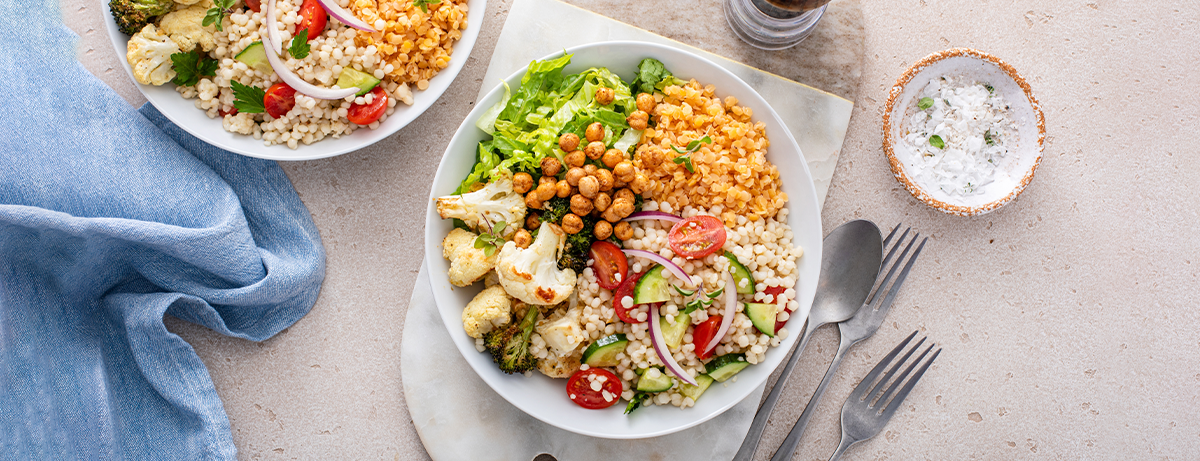
Protein is everywhere, but not all protein is created equal. Lean protein delivers the nutrition you need with less saturated fat – and its benefits go beyond muscle
Summary
1What is lean protein?
Lean protein is simply protein that’s lower in saturated fat. As it contains less fat overall, it’s usually lower in calories too.
2When should you take lean protein supplements?
Most people can get all the protein they need from a balanced, varied diet. But not everyone eats enough protein every day.
3Lean protein powder vs. protein powder
Lean protein powders are different from regular protein powders because they contain less fat – especially saturated fat.
When it comes to nutrition, it’s easy to feel overwhelmed by all the advice out there. Protein? Important. Lean protein? Even better – but only if you know what it actually is. Whether you’re looking to feel stronger, stay energised or simply understand your food a little more, learning about lean protein is a great place to start. So we’re here to guide you through what it means, why it matters and how to make it work for your lifestyle.
What is lean protein?
Lean protein is simply protein that’s lower in saturated fat. As it contains less fat overall, it’s usually lower in calories too – which is where the word lean comes from. This makes lean protein a popular choice for people looking to support their health while still getting the protein their body needs.
One reason lean protein stands out is its role in heart health.1 Diets high in saturated fat can raise LDL cholesterol (sometimes referred to as the ‘bad’ cholesterol), which may contribute to fatty build-ups in blood vessels over time. Choosing lean protein helps reduce saturated fat intake and support heart health.2
What’s the difference between lean protein and non-lean protein?
The key difference between lean and non-lean protein lies in their fat content. Lean protein is lower in fat and calories, while non-lean protein contains more fat – even though both can offer similar amounts of protein. As fat is more calorie-dense, non-lean protein tends to be higher in calories. As well as the benefits talked about above, choosing lean protein more often can also make it easier to manage your calorie intake – all while still giving your body the protein it needs.
6 of the best lean protein sources
1. Beans and legumes
Beans and legumes are one of the easiest ways to add lean, plant-based protein to your meals. Options like chickpeas, lentils and kidney beans are naturally low in saturated fat, while still helping you meet your protein needs.3 They don’t stop there – beans and legumes are also rich in fibre, iron, zinc and B vitamins, all of which support a balanced, nourishing diet.4 Whether you’re plant-based or simply looking to mix things up, they’re a simple and satisfying choice.
2. Low-fat plain Greek yoghurt
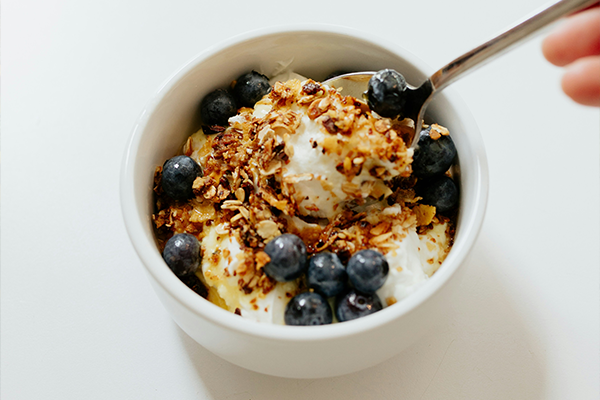
Low-fat plain Greek yoghurt is a simple, nutritious way to add lean protein to your day.5 It’s naturally higher in protein than regular yoghurt, helping you feel fuller and more satisfied with each serving. As it’s low in saturated fat, it’s considered a lean protein option. It also contains live cultures – often called friendly bacteria – which help support a healthy gut microbiome.6
3. Skinless turkey breast
Skinless turkey breast is one of the leanest animal sources of protein you can choose. While darker cuts from the legs and thighs contain more fat, the white meat from the breast is naturally much lower in fat, especially when the skin is removed. As well as being high in protein, skinless turkey breast is rich in B vitamins, including B12,7 B3 and B6, which help support energy levels,8 brain health9 and the production of red blood cells.8 It also provides zinc for immune support and selenium, which plays an important role in thyroid health.10,11
4. Skinless chicken breast
Skinless chicken breast is a popular lean protein choice – and for good reason. It’s naturally high in protein while being very low in saturated fat, making it a great option if you’re looking to support your health without adding extra calories.12 It’s also a good source of vitamin B12,7 which helps support energy levels and reduce tiredness. Alongside this, chicken provides nutrients like tryptophan, zinc, choline and selenium, all of which play a role in supporting heart, brain and immune health.13,14
5. White-fleshed fish
White-fleshed fish, such as cod, haddock and halibut, are naturally lean sources of protein.15 They’re low in fat and calories, making them a great choice if you’re looking to support weight management while still getting plenty of protein. Fresh white fish provides high-quality protein without added fat, especially when grilled, baked or steamed. However, white fish contains less omega-3 than oily fish like salmon, so including a mix of both in your diet can help you get the benefits of lean protein alongside essential fatty acids.16
6. Tofu
If you’re looking for a lean, plant-based protein, tofu is a great option. It’s made from soybeans, which are naturally low in fat but rich in protein, making tofu a nourishing and versatile food. Tofu provides all nine essential amino acids, meaning it’s a complete protein. It also supplies iron to support energy levels, along with calcium for healthy bones and muscles – making it a particularly helpful choice for those avoiding animal products.
When should you take lean protein supplements?
Most people can get all the protein they need from a balanced, varied diet. But not everyone eats enough protein every day, especially if you follow a restricted diet – for example, a vegan diet, have food allergies or are lactose intolerant. That’s where lean protein supplements can help. They’re a simple, convenient way to support your protein intake if you need it.
Protein powders are versatile and can fit into many routines. Mix them with milk for a quick shake on the go, blend them into smoothies with fruit and veg, stir them into porridge or even add them to Greek yoghurt topped with berries. They’re a flexible, easy way to help you reach your daily protein goals and support your fitness or health journey.
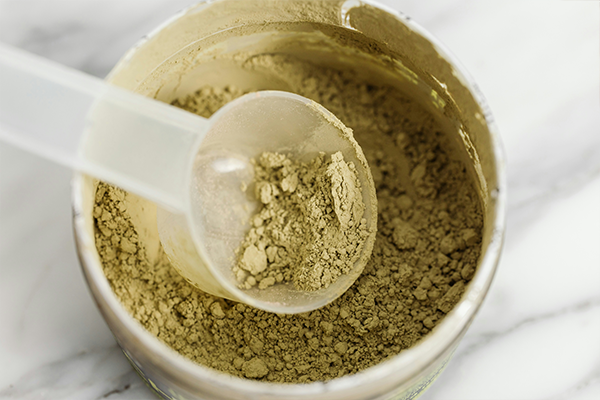
Lean protein powder vs. protein powder – what’s the difference?
Lean protein powders are different from regular protein powders because they typically contain less fat – especially saturated fat – and a higher proportion of protein. Like lean protein foods, they’re usually lower in calories too, making them a smart choice if your goal is to build muscle, lose fat or maintain a lean, toned physique.
One of the most popular types of lean protein powder is whey protein isolate. Unlike regular whey concentrate, whey isolate has been specially processed to remove most of the fat and lactose, leaving a more ‘pure’ protein powder. Whey isolate typically contains over 90% protein and just 0.1g of fat per serving, compared to regular whey, which contains around 70% protein and 3g of fat. As the lactose is removed, whey isolate is also suitable for people with lactose intolerance (though not for those with a milk allergy). When choosing a whey protein isolate, look for products sourced from grass-fed cows. Milk from grass-fed cows tends to be lower in saturated fat, making it an even leaner option.
Lean protein FAQs
Eggs are a convenient, versatile and nutritious source of protein, but they do contain some saturated fat. If you’re looking for lean protein, the egg white is the best part – each egg white provides around 4g of protein, just 15 calories and 0g of saturated fat.17 Egg yolks, on the other hand, contain about 1.3g of saturated fat per egg.18 That doesn’t mean you need to avoid them altogether – they’re packed with nutrients like vitamins and minerals.18 If you want to keep your saturated fat intake lower, focus on eating egg whites for a lean protein intake and enjoy yolks in moderation.
- Skinless chicken breast
- Skinless turkey breast
- Lean beef mince (7% fat or less)19
- Venison
- Trimmed lean pork fillets
Edamame and green peas are generally considered the highest-protein vegetables. A single cup of cooked edamame provides roughly 18g of protein.20 You might be surprised what other veg can contain protein too. Find out which veggies and grains are worth adding to your menu.
The final say
Lean protein doesn’t have to be complicated – it’s simply a part of everyday eating. Now that you know where to find it, you can see which foods naturally give you more protein and less saturated fat, making them ideal for supporting your health and wellbeing. If you’re still wondering whether protein supplements are worth adding to your routine, we’ve asked an expert about how protein supports your sports goals and have pulled together a guide on how you can choose the best protein powder for you.
Disclaimer – This article provides informational advice and is not a substitute for medical care. Curated by experts for accuracy, we take great care to ensure the information is up-to-date and relevant. However, you should always consult your GP or healthcare professional before using supplements or alternative products, particularly if you have medical conditions or are under supervision.
1. Protein [Internet]. Heartuk.org.uk. 2023 [cited 2026 Jan 29]. Available from: https://www.heartuk.org.uk/step-4-eat-and-live-smart/cholesterol-smart-protein
2. British Heart Foundation. High-cholesterol-foods-to-avoid [Internet]. British Heart Foundation. 2025. Available from: https://www.bhf.org.uk/informationsupport/heart-matters-magazine/nutrition/high-cholesterol-foods-to-avoid
3. Parker T. How to get protein without the meat [Internet]. Bhf.org.uk. British Heart Foundation; 2020. Available from: https://www.bhf.org.uk/informationsupport/heart-matters-magazine/nutrition/protein/how-to-get-protein-without-the-meat
4. Mullins AP, Arjmandi BH. Health Benefits of Plant-Based Nutrition: Focus on Beans in Cardiometabolic Diseases. Nutrients [Internet]. 2021 Feb 1;13(2):519. Available from: https://www.mdpi.com/2072-6643/13/2/519
5. Taylor V. Is Greek yogurt good for you? [Internet]. www.bhf.org.uk. 2024. Available from: https://www.bhf.org.uk/informationsupport/heart-matters-magazine/nutrition/ask-the-expert/is-greek-yogurt-good-for-you
6. Le Roy CI, Kurilshikov A, Leeming ER, Visconti A, Bowyer RCE, Menni C, et al. Yoghurt consumption is associated with changes in the composition of the human gut microbiome and metabolome. BMC Microbiology. 2022 Feb 3;22(1).
7. National Institutes of Health. Office of Dietary Supplements - Vitamin B12 [Internet]. Nih.gov. National Institutes of Health; 2024. Available from: https://ods.od.nih.gov/factsheets/VitaminB12-HealthProfessional/
8. NHS. B Vitamins and Folic Acid - Vitamins and Minerals [Internet]. NHS. 2020. Available from: https://www.nhs.uk/conditions/vitamins-and-minerals/vitamin-b/
9. Morris MC, Schneider JA, Tangney CC. Thoughts on B-vitamins and dementia. Shea T, editor. Journal of Alzheimer’s Disease. 2006 Aug 7;9(4):429–33.
10. wessels inga, maywald martina, Rink L. Zinc as a Gatekeeper of Immune Function. Nutrients [Internet]. 2017 Nov 25;9(12):1286. Available from: https://www.ncbi.nlm.nih.gov/pmc/articles/PMC5748737/
11. Selenium Deficiency – Thyroid UK [Internet]. Available from: https://thyroiduk.org/if-you-are-hypothyroid/the-importance-of-vitamins-and-minerals-hypo/about-selenium/
12. Klemm S. Breasts vs Thighs: Which Is More Nutritious? [Internet]. www.eatright.org. 2021. Available from: https://www.eatright.org/food/food-groups/protein-foods/breasts-vs-thighs-which-is-more-nutritious
13. National Chicken Council. National Chicken Council | Nutrition & Health [Internet]. National Chicken Council. 2023. Available from: https://www.nationalchickencouncil.org/policy/nutrition-health/
14. Shankar AH, Prasad AS. Zinc and immune function: the biological basis of altered resistance to infection. The American Journal of Clinical Nutrition. 1998 Aug 1;68(2):447S463S.
15. Noreen S, Hashmi B, Aja PM, Atoki AV. Health benefits of fish and fish by-products—a nutritional and functional perspective. Frontiers in Nutrition. 2025 May 9;12.
16. NHS. Fish and shellfish [Internet]. nhs.uk. NHS; 2022. Available from: https://www.nhs.uk/live-well/eat-well/food-types/fish-and-shellfish-nutrition/
17. Egg white nutrition | Egg Recipes – British Lion Eggs [Internet]. www.egginfo.co.uk. Available from: https://www.egginfo.co.uk/egg-nutrition-and-health/egg-nutrition-information/white-and-yolk/white
18. Egg yolk nutrition | Egg Recipes – British Lion Eggs [Internet]. www.egginfo.co.uk. Available from: https://www.egginfo.co.uk/egg-nutrition-and-health/egg-nutrition-information/white-and-yolk/yolk
19. Shoppers to make more informed choices on minced meat [Internet]. GOV.UK. Available from: https://www.gov.uk/government/news/shoppers-to-make-more-informed-choices-on-minced-meat
20. AANMC. Break Free from Acne Naturally: A Naturopathic Approach [Internet]. AANMC. 2024. Available from: https://aanmc.org/naturopathic-kitchen/how-to-eat-edamame/


