Valerian: benefits, dosage and side effects explained


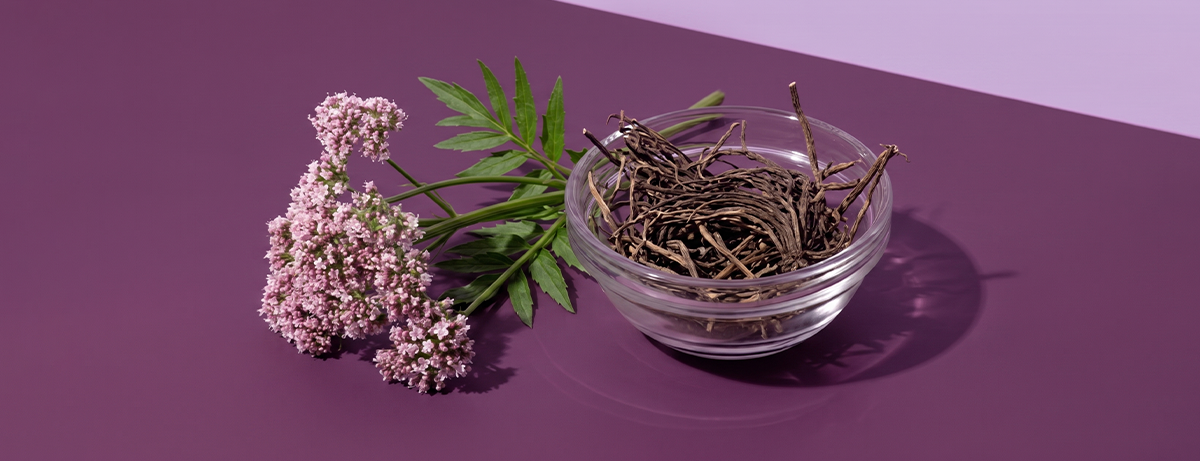
Struggling to switch off? Valerian has been used for centuries to support relaxation and sleep – but does it really work? Here’s what you need to know
Summary
1What is valerian used for?
Valerian root is a herbal remedy traditionally used to support relaxation and sleep.
2Does valerian help you sleep?
Some studies suggest it may improve how well you feel you sleep, but results are mixed.
3How do you take valerian?
It’s commonly taken as capsules, teas or extracts, usually in the evening as part of a bedtime routine.
If switching off at the end of the day doesn’t come easily, you’re not alone. Whether it’s a busy mind, a long to-do list or just one of those restless nights, many people look for ways to unwind or manage occasional stress. That’s where valerian comes in. This traditional herbal remedy has long been used to support relaxation and sleep – but how does valerian root actually work, and is it right for you? Here’s what you need to know.
What is valerian?
Valerian (Valeriana officinalis) is a flowering plant native to Europe and parts of Asia. Its roots and rhizomes have been used in traditional herbal practices for centuries, particularly to support sleep and relaxation. In fact, valerian has been used for its calming properties since the time of Hippocrates. Today, it’s available in a range of formats, including teas, capsules and liquid extracts. It also has a naturally strong, earthy smell – something some people love, and others… not so much.
What are the potential benefits of valerian?
Valerian is most commonly used to support sleep and relaxation. Some studies suggest it may help improve subjective sleep quality – in other words, you might feel like you’ve slept better or wake up feeling more refreshed. However, results are mixed and can vary from person to person.1,2
So, how might it work? Valerian is thought to interact with the body’s natural calming systems.3 Compounds in valerian may influence GABA, a neurotransmitter (a chemical messenger that helps send signals between nerve cells) involved in promoting relaxation.4 There’s also early research exploring how valerian might interact with other sleep-related messengers, such as serotonin and melatonin, although more high-quality human studies are needed.5,6
While valerian may be helpful for some people, it isn’t a guaranteed solution for sleep issues. As with any supplement, it’s best to check with your GP or pharmacist before trying it for the first time.
How much valerian should you take?
The right dose can vary depending on the product and what you’re using it for, so always follow the instructions on the label.
Typical amounts used in studies include:
- for sleep: around 200–600mg of valerian root extract, taken 30 minutes to 2 hours before bedtime, with an earlier dose if needed
- for relaxation: around 200–400mg of valerian root extract, up to three times daily. Herbal teas made from valerian root are another option, often used as part of a calming bedtime routine. If your sleep issues or stress persist for more than two weeks, it’s a good idea to speak to a healthcare professional.
Are there any side effects of valerian?
Valerian is generally well tolerated when used short term, but some people may experience mild side effects, including:
- drowsiness
- nausea
- stomach discomfort
Valerian may not be suitable for everyone. It’s best to avoid it if you:
- are pregnant or breastfeeding
- are under 18
- are taking medication for sleep, anxiety or other conditions (unless advised by a healthcare professional)
- are drinking alcohol or using other sedative products (this is because valerian can cause drowsiness)
If you’re unsure whether valerian is appropriate for you, speak to your GP or pharmacist before use.
Valerian vs passion flower: what’s the difference?
Valerian and passion flower are both traditionally used to support relaxation and sleep – and you’ll often see them combined in supplements.
Here’s how they compare:
- valerian: has stronger evidence for sleep support than passion flower, particularly in supplement form
- passion flower: often used in herbal teas and may suit those who prefer a gentler-tasting option. Some small studies suggest passion flower tea may support sleep quality, but the evidence base is still developing7
- taste and smell: valerian has a strong aroma, while passion flower is generally milder
Choosing between them often comes down to personal preference – and how you prefer to take your supplements.
Who is valerian best for?
Valerian may be suitable for adults looking for support with:
- occasional sleep disturbances
- mild feelings of stress or restlessness
It’s best used alongside healthy lifestyle habits like staying active, limiting caffeine and building a consistent wind-down routine before bed. Some research has also explored valerian’s potential role in menstrual wellbeing, including its effects on discomfort, although more robust evidence is needed.8,9
Valerian FAQs
Valerian can be used daily for short periods. If your sleep concerns continue for more than two weeks, consider speaking to a healthcare professional.
Valerian should be taken between 30 minutes and two hours before bedtime. Effects can vary and it may take a few days of consistent use to notice any changes.
Both valerian and some antihistamines can cause drowsiness. Taking them together may increase this effect, so check with a pharmacist or GP first.
There’s no known direct interaction, but caffeine may counteract the relaxing effects of valerian. Reducing caffeine intake may support better sleep overall.
The final say
Valerian has been used for centuries as a natural way to support relaxation and sleep – and for some people, it may be a helpful addition to their routine. That said, it’s not a one-size-fits-all solution. Results can vary, and it’s likely to work best alongside simple habits like a consistent bedtime, less caffeine and sensible lifestyle changes. If you’re looking to improve your sleep, valerian could be one option to explore – as part of a broader approach that works for you. Looking to support your sleep? Explore our guide for better rest or browse our products to help you unwind.
Disclaimer – This article provides informational advice and is not a substitute for medical care. Working with experts for accuracy, we take great care to ensure the information is up-to-date and relevant. However, you should always consult your GP or healthcare professional before using supplements or alternative products, particularly if you have medical conditions or are under supervision.
1. Chandra Shekhar H, Joshua L, Thomas JV. Standardized Extract of Valeriana officinalis Improves Overall Sleep Quality in Human Subjects with Sleep Complaints: A Randomized, Double-Blind, Placebo-Controlled, Clinical Study. Adv Ther. 2024 Jan;41(1):246-261.
2. Shinjyo N, Waddell G, Green J. Valerian Root in Treating Sleep Problems and Associated Disorders-A Systematic Review and Meta-Analysis. J Evid Based Integr Med. 2020; 25:2515690X20967323.
3. Roh D, Jung JH, Yoon KH, Lee CH, Kang LY, Lee SK, Shin K, Kim DH. Valerian extract alters functional brain connectivity: A randomized double-blind placebo-controlled trial. Phytother Res. 2019 Apr;33(4):939- 948.
4. Benke D, Barberis A, Kopp S, Altmann KH, Schubiger M, Vogt KE, Rudolph U, Möhler H. GABA A receptors as in vivo substrate for the anxiolytic action of valerenic acid, a major constituent of valerian root extracts. Neuropharmacology. 2009 Jan;56(1):174-81.
5. Sahin K, Gencoglu H, Korkusuz AK, Orhan C, Aldatmaz İE, Erten F, Er B, Morde A, Padigaru M, Kilic E. Impact of a Novel Valerian Extract on Sleep Quality, Relaxation, and GABA/Serotonin Receptor Activity in a Murine Model. Antioxidants (Basel). 2024 May 27;13(6):657.
6. Fernández S, Wasowski C, Paladini AC, Marder M. Sedative and sleepenhancing properties of linarin, a flavonoid-isolated from Valeriana officinalis. Pharmacol Biochem Behav. 2004 Feb;77(2):399-404.
7. Ngan A, Conduit R. A double-blind, placebo-controlled investigation of the effects of Passiflora incarnata (passionflower) herbal tea on subjective sleep quality. Phytother Res. 2011 Aug;25(8):1153-9.
8. Mirabi P, Dolatian M, Mojab F, Majd HA. Effects of valerian on the severity and systemic manifestations of dysmenorrhea. Int J Gynaecol Obstet. 2011 Dec;115(3):285-8.
9. Occhiuto F, Pino A, Palumbo DR, Samperi S, De Pasquale R, Sturlese E, Circosta C. Relaxing effects of Valeriana officinalis extracts on isolated human non-pregnant uterine muscle. J Pharm Pharmacol. 2009 Feb;61(2):251-6.
Related to this article


