Skip to content
Basket
 

Science Corner: Brain Health

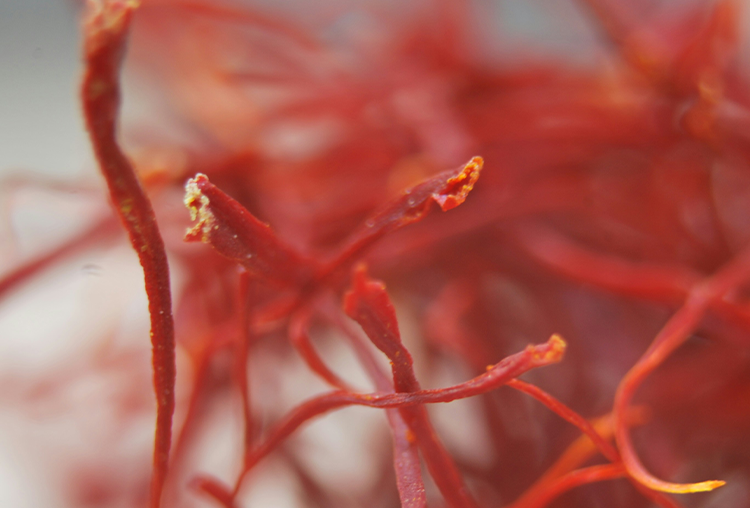
Close up of saffron strands
 

Science Corner: Brain Health

Close up of saffron strands

Explore the science behind brain health

Nutrition plays an important role in supporting brain health throughout life, with research continuing to uncover how nutrients and other dietary factors influence how the brain develops, functions and ages. From thoughts and memories to decisions and emotions, looking after your brain health matters at every stage of life.

Here, we explore the science behind brain health and the evidence for the nutrients and ingredients that can support it.

Abbie Cawood

Dr Abbie Cawood

PhD, MICR, RNutr. Director of Science

What our expert says about brain health

“Brain health starts taking shape before we’re even born and continues to change throughout our lives. Some changes in the brain can begin years, or even decades, before we notice them. While the adult brain can adapt and form new connections, its ability to repair itself is limited.” 

“That’s why supporting brain health shouldn’t be something we only think about later in life or once symptoms appear – it’s something worth prioritising throughout life.”

View Abbie's bio here.


Which ingredients are being studied for brain health?

Close up of females eye, looks to have a smiling expression

Brain health and nutrition: researched ingredients and resources

Omega-3 and brain health

Omega-3 polyunsaturated fatty acids (PUFAs) have been widely studied for their role in brain health and cognitive function, particularly docosahexaenoic acid (DHA).[1-3] The three main omega-3 fatty acids are alpha-linolenic acid (ALA), eicosapentaenoic acid (EPA) and DHA.

ALA is an essential fatty acid that must be obtained from the diet, meaning the body can’t make it itself. It’s mainly found in plant foods such as flaxseed and chia seeds, while EPA and DHA are found in oily fish including salmon, sardines and mackerel, as well as marine algae.[1,2]

DHA is particularly relevant to brain health because it’s highly concentrated in the brain. Research has explored how long chain omega-3 fatty acids may relate to cognitive functions including learning, memory and executive functions such as goal setting and problem solving.[3]

Key studies:

  • He X, Yu H, Fang J, Qi Z, Pei S, Yan B, et al. The effect of n-3 polyunsaturated fatty acid supplementation on cognitive function outcomes in the elderly depends on the baseline omega-3 index. Food & Function. 2023;14:9506–17. 

  • Suh SW, Lim E, Burm S-Y, Lee H, Bae JB, Han JW, et al. The influence of n-3 polyunsaturated fatty acids on cognitive function in individuals without dementia: a systematic review and dose–response meta-analysis. BMC Medicine. 2024;22(1):109. 

  • Dighriri IM, Alsubaie AM, Hakami FM, Hamithi DM, Alshekh MM, Khobrani FA, et al. Effects of Omega-3 Polyunsaturated Fatty Acids on Brain Functions: A Systematic Review. Cureus. 2022;14(10):e30091. 

  • Yurko-Mauro K, McCarthy D, Rom D, Nelson EB, Ryan AS, Blackwell A, et al. Beneficial effects of docosahexaenoic acid on cognition in age-related cognitive decline. Alzheimer's & Dementia. 2010;6(6):456–64. 

  • Ichinose T, Matsuzaki K, Kato M, Tanabe Y, Tachibana N, Morikawa M, et al. Intake of Docosahexaenoic Acid-Enriched Milk Beverage Prevents Age-Related Cognitive Decline and Decreases Serum Bone Resorption Marker Levels. Journal of Oleo Science. 2021;70(12):1829–38. 

  • Witte V, Kerti L, Hermannstädter H, Fiebach J, Schreiber S, Schuchardt JP, et al. Long-Chain Omega-3 Fatty Acids Improve Brain Function and Structure in Older Adults. Cerebral Cortex. 2013;24:3059–68. 

  • Leckie R, Lehman D, Gianaros P, Erickson K, Sereika S, Kuan D, et al. The effects of omega-3 fatty acids on neuropsychological functioning and brain morphology in mid-life adults: a randomized clinical trial. Psychological Medicine. 2019;50:1–10. 

Choline and brain health

Choline plays an important role in brain development and function, including helping the body make acetylcholine – a neurotransmitter involved in communication between brain cells.[4,5] The body produces some choline in the liver, but not enough to meet daily requirements, so most needs to come from foods such as eggs, fish, meat, legumes and certain vegetables.[4,5] 

Adequate choline intake may be particularly important during the first 1,000 days of life, from conception to around a child’s second birthday, when the brain is developing rapidly.[6-88]Researchers are also continuing to explore choline’s role in brain health and cognitive function later in life.[9-11]

Macro shot of an egg yolk, hard boiledMacro shot of an egg yolk, hard boiled

Key studies:

  • Derbyshire E, Obeid R. Choline, Neurological Development and Brain Function: A Systematic Review Focusing on the First 1000 Days. Nutrients. 2020;12(6):1731. 

  • Bragg M, Prado E, Stewart C. Choline and docosahexaenoic acid during the first 1000 days and children’s health and development in low- and middle-income countries. Nutrition Reviews. 2021;80:656–76. 

  • Derbyshire E, Obeid R, Schön C. Habitual Choline Intakes across the Childbearing Years: A Review. Nutrients. 2021;13(12):4390. 

  • Nakazaki E, Mah E, Sanoshy K, Citrolo D, Watanabe F. Citicoline and Memory Function in Healthy Older Adults: A Randomized, Double-Blind, Placebo-Controlled Clinical Trial. The Journal of Nutrition. 2021;151. 

  • McGlade E, Agoston A, Dimuzio J, Kizaki M, Nakazaki E, Kamiya T, et al. The Effect of Citicoline Supplementation on Motor Speed and Attention in Adolescent Males. Journal of Attention Disorders. 2019;23:121–34. 

  • McGlade E, Locatelli A, Hardy J, Kamiya T, Morita M, Morishita K, et al. Improved Attentional Performance Following Citicoline Administration in Healthy Adult Women. Food and Nutrition Sciences. 2012;03:769–73. 

Polyphenols and brain health

Polyphenols are increasingly being studied for their potential role in brain health, with emerging evidence suggesting they may support brain function through several biological pathways.[12-14] 

More than 8,000 of these naturally occurring plant compounds have been identified and can be found in foods and drinks such as fruit, vegetables, tea, coffee, wholegrains, herbs, spices and cocoa.[12] Research continues to investigate their potential effects on cognition, memory and mood, as well as their possible role in supporting healthy cognitive ageing.[13,14]

Key studies:

  • Fiore M, Terracina S, Ferraguti G. Brain Neurotrophins and Plant Polyphenols: A Powerful Connection. Molecules. 2025;30(12). 

  • Godos J, Carota G, Caruso G, Micek A, Frias-Toral E, Giampieri F, et al. Molecular mechanisms underlying the neuroprotective effects of polyphenols: implications for cognitive function. Excli j. 2025;24:1262–94. 

Saffron and brain health

Saffron extract is attracting interest for its potential role in brain health, particularly mood [15]. It comes from the dried red threads of the Crocus sativus flower and naturally contains compounds including safranal.[16] Human studies have explored a standardised saffron extract called Safr'Inside™, with findings suggesting it may help support mood and emotional wellbeing in healthy adults.[16,17]
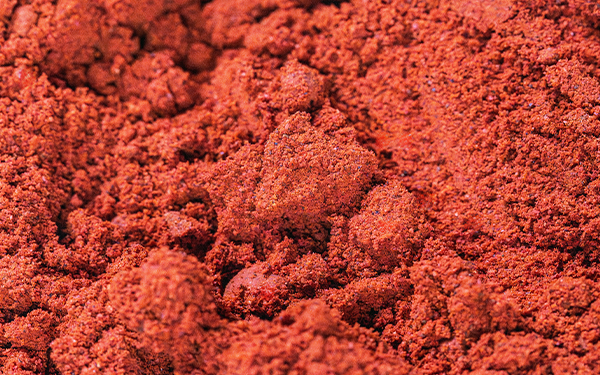
macro shot of saffron powdermacro shot of saffron powder

Key study link:

  • Pouchieu C, Pourtau L, Brossaud J, Gaudout D, Corcuff JB, Capuron L, et al. Acute Effect of a Saffron Extract (Safr'Inside(TM)) and Its Main Volatile Compound on the Stress Response in Healthy Young Men: A Randomized, Double Blind, Placebo-Controlled, Crossover Study. Nutrients. 2023;15(13). 

  • Jackson PA, Forster J, Khan J, Pouchieu C, Dubreuil S, Gaudout D, et al. Effects of Saffron Extract Supplementation on Mood, Well-Being, and Response to a Psychosocial Stressor in Healthy Adults: A Randomized, Double-Blind, Parallel Group, Clinical Trial. Frontiers in Nutrition. 2021;Volume 7 - 2020. 

American Ginseng and brain health

American ginseng is a plant that’s increasingly being studied for its potential effects on brain health. Research suggests it may support areas of brain health including working memory, attention, reaction time and mood.[18,20] 

American ginseng root naturally contains compounds called ginsenosides, which are thought to be responsible for many of its biological effects. Many supplements are tested to ensure they contain a consistent amount of these compounds.[21]  

Key study links:

  • Bell L, Whyte A, Duysburgh C, Marzorati M, Van den Abbeele P, Le Cozannet R, et al. A randomized, placebo-controlled trial investigating the acute and chronic benefits of American Ginseng (Cereboost®) on mood and cognition in healthy young adults, including in vitro investigation of gut microbiota changes as a possible mechanism of action. Eur J Nutr. 2022;61(1):413–28. 

  • Scholey A, Ossoukhova A, Owen L, Ibarra A, Pipingas A, He K, et al. Effects of American ginseng (Panax quinquefolius) on neurocognitive function: an acute, randomised, double-blind, placebo-controlled, crossover study. Psychopharmacology. 2010;212(3):345–56. 

  • Ossoukhova A, Owen L, Savage K, Meyer M, Ibarra A, Roller M, et al. Improved working memory performance following administration of a single dose of American ginseng (Panax quinquefolius L.) to healthy middle-age adults. Human Psychopharmacology: Clinical and Experimental. 2015;30(2):108–22. 

New ingredients in the spotlight

Research into nutrition and brain health continues to evolve, with a growing range of ingredients being investigated for their potential benefits. Beyond those already covered, studies have examined blueberry and grape extracts, Bacopa monnieri, chamomile, Korean ginseng, Thai ginger extract, ginkgo biloba and B vitamins for their potential effects on areas of brain health including memory, cognitive performance and mood. Emerging research is also exploring creatine and its potential effects on cognitive function, including memory. 

The strength of evidence varies between ingredients, with some supported by moderate evidence generally supporting ingredient use, until further research emerges and others requiring further research before any links can be made. 

References:

1. Surette M. The science behind dietary omega-3 fatty acids. CMAJ Canadian Medical Association Journal. 2008;178(2):177–80. 

2. Shahidi F, Ambigaipalan P. Omega-3 Polyunsaturated Fatty Acids and Their Health Benefits. Annu Rev Food Sci Technol. 2018;9:345–81. 

3. Alex A, Abbott KA, McEvoy M, Schofield PW, Garg ML. Long-chain omega-3 polyunsaturated fatty acids and cognitive decline in non-demented adults: a systematic review and meta-analysis. Nutrition Reviews. 2020;78(7):563–78. 

4. Wallace T, Blusztajn J, Caudill M, Klatt K, Natker E, Zeisel S, et al. Choline-: The Underconsumed and Underappreciated Essential Nutrient. Nutrition Today. 2018;53:1. 

5. Burns BC, Belani JD, Wittorf HN, Brailoiu E, Brailoiu GC. Choline—An Essential Nutrient with Health Benefits and a Signaling Molecule. International Journal of Molecular Sciences. 2025;26(15):7159. 

6. Derbyshire E, Obeid R. Choline, Neurological Development and Brain Function: A Systematic Review Focusing on the First 1000 Days. Nutrients. 2020;12(6):1731. 

7. Derbyshire E, Obeid R, Schön C. Habitual Choline Intakes across the Childbearing Years: A Review. Nutrients. 2021;13(12):4390. 

8. Bragg M, Prado E, Stewart C. Choline and docosahexaenoic acid during the first 1000 days and children’s health and development in low- and middle-income countries. Nutrition Reviews. 2021;80:656–76. 

9. Nakazaki E, Mah E, Sanoshy K, Citrolo D, Watanabe F. Citicoline and Memory Function in Healthy Older Adults: A Randomized, Double-Blind, Placebo-Controlled Clinical Trial. The Journal of Nutrition. 2021;151. 

10. McGlade E, Locatelli A, Hardy J, Kamiya T, Morita M, Morishita K, et al. Improved Attentional Performance Following Citicoline Administration in Healthy Adult Women. Food and Nutrition Sciences. 2012;03:769–73. 

11. McGlade E, Agoston A, Dimuzio J, Kizaki M, Nakazaki E, Kamiya T, et al. The Effect of Citicoline Supplementation on Motor Speed and Attention in Adolescent Males. Journal of Attention Disorders. 2019;23:121–34. 

12. El-Saadony MT, Yang T, Saad AM, Alkafaas SS, Elkafas SS, Eldeeb GS, et al. Polyphenols: Chemistry, bioavailability, bioactivity, nutritional aspects and human health benefits: A review. International Journal of Biological Macromolecules. 2024;277:134223. 

13. Godos J, Carota G, Caruso G, Micek A, Frias-Toral E, Giampieri F, et al. Molecular mechanisms underlying the neuroprotective effects of polyphenols: implications for cognitive function. Excli j. 2025;24:1262–94. 

14. Fiore M, Terracina S, Ferraguti G. Brain Neurotrophins and Plant Polyphenols: A Powerful Connection. Molecules. 2025;30(12). 

15. Delam H, Keshtkaran Z, Shokrpour N, Eidi A, Bazrafshan MR. The effect of Crocus sativus L. (saffron) herbal tea on happiness in postmenopausal women: a randomized controlled trial. BMC Complement Med Ther. 2023;23(1):176. 

16. Pouchieu C, Pourtau L, Brossaud J, Gaudout D, Corcuff JB, Capuron L, et al. Acute Effect of a Saffron Extract (Safr'Inside(TM)) and Its Main Volatile Compound on the Stress Response in Healthy Young Men: A Randomized, Double Blind, Placebo-Controlled, Crossover Study. Nutrients. 2023;15(13). 

17. Jackson PA, Forster J, Khan J, Pouchieu C, Dubreuil S, Gaudout D, et al. Effects of Saffron Extract Supplementation on Mood, Well-Being, and Response to a Psychosocial Stressor in Healthy Adults: A Randomized, Double-Blind, Parallel Group, Clinical Trial. Frontiers in Nutrition. 2021;Volume 7 - 2020. 

18. Bell L, Whyte A, Duysburgh C, Marzorati M, Van den Abbeele P, Le Cozannet R, et al. A randomized, placebo-controlled trial investigating the acute and chronic benefits of American Ginseng (Cereboost®) on mood and cognition in healthy young adults, including in vitro investigation of gut microbiota changes as a possible mechanism of action. Eur J Nutr. 2022;61(1):413–28. 

19. Scholey A, Ossoukhova A, Owen L, Ibarra A, Pipingas A, He K, et al. Effects of American ginseng (Panax quinquefolius) on neurocognitive function: an acute, randomised, double-blind, placebo-controlled, crossover study. Psychopharmacology. 2010;212(3):345–56. 

20. Ossoukhova A, Owen L, Savage K, Meyer M, Ibarra A, Roller M, et al. Improved working memory performance following administration of a single dose of American ginseng (Panax quinquefolius L.) to healthy middle-age adults. Human Psychopharmacology: Clinical and Experimental. 2015;30(2):108–22. 

21. Jia L, Zhao Y. Current Evaluation of the Millennium Phytomedicine- Ginseng (I): Etymology, Pharmacognosy, Phytochemistry, Market and Regulations. Current medicinal chemistry. 2009;16:2475–84. 

 
Sign up for exclusive offers

Plus, get expert advice to support your health & wellness straight to your inbox when you sign up to Holland & Barrett emails.