 Track an order
 Buy It Again
 Favourites
 Manage account
 Rewards
 Subscriptions
 Find a store
 Help centre
How to support a pulled muscle without making it worse

Written byEllie Hughes

Reviewed byFlorence Penny, Physiotherapist
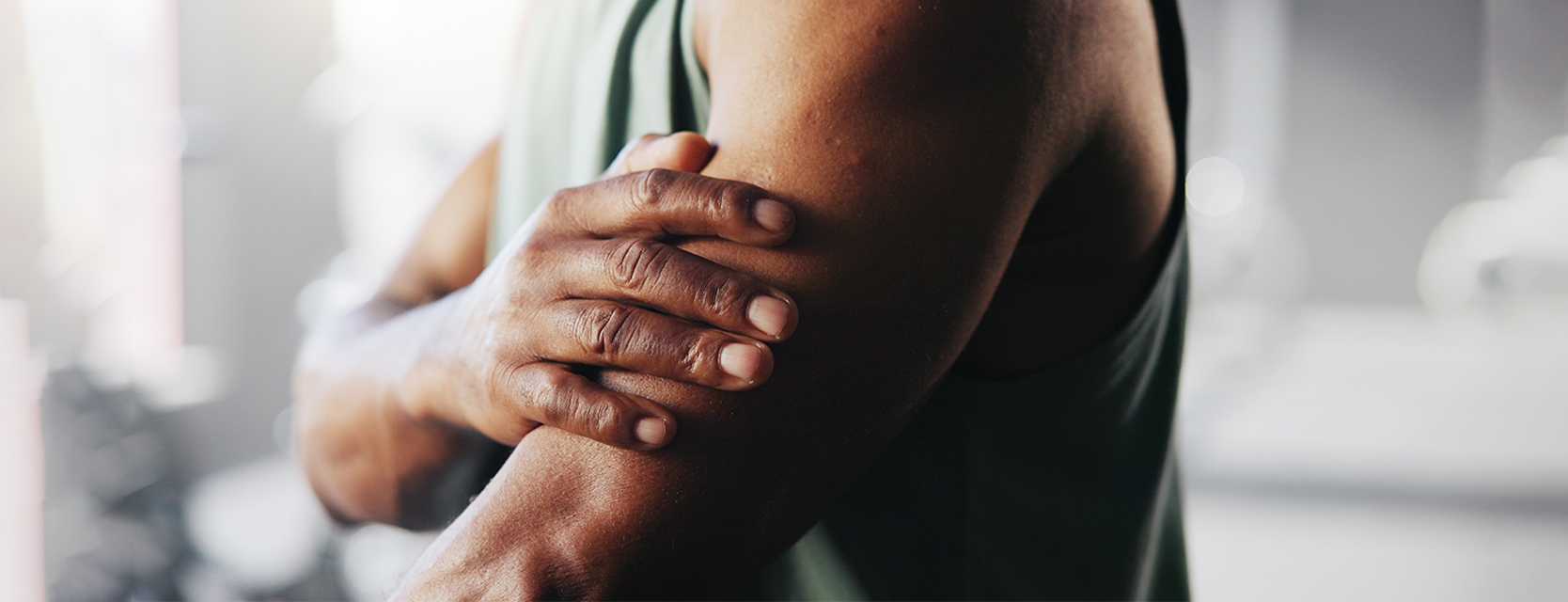
Most of us will pull a muscle at some point. So how do you treat one at home and when do you need to see a doctor? We ask a physio
Summary
1What is a pulled muscle?
An injury where muscle fibres are overstretched or torn, often from sudden movement, overload or fatigue.
2What should you do after pulling a muscle?
In the first 24–48 hours, reduce strain but keep gentle, pain-free movement. Ice may help discomfort, too.
3How do you heal a pulled muscle safely?
Recovery should be gradual – start with gentle movement, then build strength over time. Avoid pushing through pain, as this can worsen the injury.
You know the feeling. You’re in the middle of a football or tennis game when you make a sudden turn and sense your muscle going. Or you’ve quickly twisted to reach for something high up and and suddenly felt a twinge.
“Pulled muscles can commonly happen with sudden movements, lifting or pulling, overloading in the gym, fatigue or poor control under load,” explains Florence Penny, Consultant Musculoskeletal Physiotherapist and founder of Flow Physio London.
What is a pulled muscle?
“A pulled muscle, or muscle strain as it's commonly known, is an injury to muscle fibres or tendons. It’s caused by overstretching or using it too much in a way that loads it beyond what it can tolerate,” says Florence. “It's one of the most common soft tissue injuries. Muscle strains are typically graded to give us a base of severity.”
However you sustained your injury, it's always best to seek a medical opinion if it's painful or continues to bother you. There are three grades of seriousness:
- grade one (mild) – a small number of fibres are affected with mild pain, there will be a minimal loss of strength. There's no swelling or bruising
- grade two (moderate) – a partial tear of the muscle with more significant pain. There will be a reduction in strength and function along with swelling and possible bruising
- grade three (severe) – a complete tear or rupture, causing severe pain initially with a significant loss of function. There will be marked swelling and bruising. In the case of a severe strain, a doctor may even seek a surgical opinion – so it's always best to listen to your body and seek help if you've injured yourself
What should you do immediately after pulling a muscle?
“In the first 24-48 hours after pulling a muscle, I would recommend reducing muscle load,” says Florence. “Try to keep some pain-free movement – you don’t want to fully rest it. But avoid movement that irritates the pain.”
Florence suggests the following to treat your pulled muscle at home:
- applying ice for 10-15 minutes a few times in the day to help with any pain. But try not to overdo it as this isn’t part of the healing process1
- a light compression can help manage swelling
- elevation can help if your pulled muscle is swollen
What makes a pulled muscle worse?
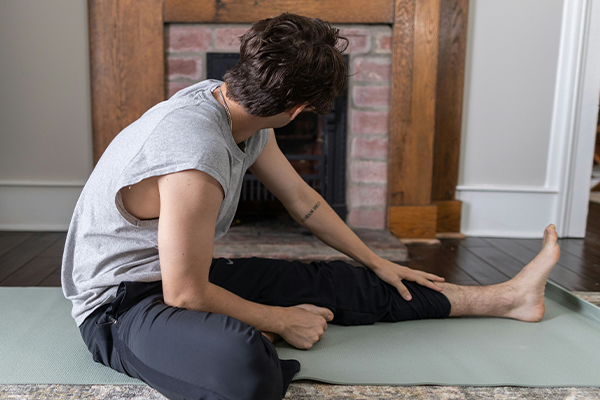
“Aggressive stretches and pushing into the pain can make a pulled muscle worse,” says Florence. “You should also avoid heavy lifting and be cautious with deep massage straightaway. The aim is to calm it down for a couple of days, keep the muscle moving gently then start reloading progressively,” explains Florence.
How to heal a pulled muscle
Florence breaks the recovery process down into distinct periods.
In the first 24 to 48 hours
“Your aim is to allow things to settle by reducing aggravating movements and keeping movement pain free and gentle. Use ice only for discomfort.”
In day two to four
You can start to introduce a light range of motion work, such as pain-free stretching. You can also start with gentle isometric holds (where you hold your muscle under tension) such as hamstring holds, gluteal squeezes and calf holds. “Aim for low pain – nothing above a 2-3/10,” says Florence.
From day seven onwards
At this stage you can progress to slow strength work and then introduce heavier loading with a reintroduction of sports specific work. Depending on your sport, this could involve activities like light jogging, lifting moderate weights or ball skills.2
“The aim also is to try and make the muscle stronger than before and biomechanically assess to work out why you had the strain in the first place,” says Florence. “This may involve exercises such as glute bridges, heel raises and split squats. Your focus should be on controlled movements, not pushing intensity.”
What common mistakes do people make when treating a pulled muscle?
“In my experience, there are four key mistakes people make with muscle strain,” says Florence.
- Resting for too long and becoming deconditioned
- Stretching too aggressively
- Returning to sport when pain free but not strong enough
- Skipping the rehab progressive load work
What are the signs of a severe muscle strain?
“The signs of a severe muscle strain include a sudden sharp pain or ‘pop’ at the time of injury,” says Florence. “You should see a doctor if that's accompanied by an immediate weakness or inability to use the muscle properly, visible swelling or significant bruising, a feeling of a deformity in the muscle and difficulty weight bearing. In this case, imaging such as an ultrasound or MRI can be completed to help assess the issue.”
“We would usually recommend seeing a physiotherapist if you're in that moderate category where perhaps the pain is persisting and you need a clear rehab plan with progression back to training. There may also be a history of recurrent strains in the same area.”
“A physiotherapist will be able to assess load tolerance, strength, movement control and progression. The general rule is if it’s painful but usable, start with physiotherapy. If you have lost function or it looks severe get a medical check first.”
Pulled muscle FAQs
"This will depend on the severity of the injury," says Florence. “Typical time frames are one-two weeks for a mild grade one sprain and three-six weeks for a moderate grade two sprain. A severe grade three sprain could take two to three months and might also require surgical input, which could impact the recovery time.”
Yes you can stretch a pulled muscle but not straightaway. “You should avoid stretching a pulled muscle in the early stage of recovery, when stretching can pull on healing tissues and worsen it,” says Florence. “The aim is gentle movement and light activation initially. Generally, a key rule is if it feels sharp, painful or worse afterwards, it’s too much. Once you’re through the initial acute phase it’s important to reintroduce gentle stretching alongside strengthening.”
The final say
A pulled muscle is a common injury and you can often treat it at home. However, once the initial discomfort has settled it is important to address why the injury happened. You can read more about making your muscles stronger and the importance of stretching for future injury prevention.
Disclaimer – This article provides informational advice and is not a substitute for medical care. Working with experts for accuracy, we take great care to ensure the information is up-to-date and relevant. However, you should always consult your GP or healthcare professional before using supplements or alternative products, particularly if you have medical conditions or are under supervision.
1. Horschig A, Sonthana K, Williams B, Horgan M, Starrett K. The efficacy of icing for injuries and recovery: a clinical commentary. J Contemp Chiropr. 2024;7:96-101. Available from: https://journal.parker.edu/article/120141-the-efficacy-of-icing-for-injuries-and-recovery-a-clinical-commentary Leeds Community Healthcare NHS Trust. Return to activity or sport after injury [Internet].]
2. Leeds: Leeds Community Healthcare NHS Trust; [cited 2026 Apr 24]. Available from: https://leedscommunityhealthcare.nhs.uk/our-services-a-z/musculoskeletal-msk/return-to-activity-or-sport-after-injury/


