20% off £40 or 15% off £30
 Track an order
 Buy It Again
 Favourites
 Manage account
 Rewards
 Subscriptions
 Find a store
 Help centre
Top 10 foods high in glutamine

Where can you find glutamine? We give you the rundown of where this important amino acid can be found, including vegetarian and vegan sources
Summary
1What is glutamine?
Glutamine is an amino acid. It’s the most abundant amino acid in the human body and is made in the muscles and transport...
2Who might need glutamine supplements?
Older adults may choose to supplement with glutamine to protect the muscles and gut, as the body’s natural production of this amino acid gradually...
3When to take glutamine supplements
We need around 5 – 10g glutamine each day, but sometimes we need more. Glutamine can help with recovery from injury, surgery or strenuous exercise...
You’ve probably never seen the words ‘high in glutamine’ on food packaging.
However, glutamine is an important amino acid which has a hand in everything from your immunity to how your body recovers after injury – so you need to know where it can be found.
In this article we will cover what glutamine is and what its main functions are.
We’ll also look at the amount of glutamine that you need in a day, where it can be found, as well as information about glutamine supplements and whether you might need them.
What is glutamine?
Glutamine (also known as l-glutamine) is an amino acid. It’s the most abundant amino acid in the human body and is made in the muscles and transported around the body by the blood.1
Glutamine has a role in repairing damaged tissues, stimulating collagen production (5) and fuelling new cell growth. In fact, rapidly multiplying healthy cells use glutamine as their preferred fuel source.6
It’s been suggested that taking extra glutamine helps wounds heal faster, and can lower the risk of wound infection.7 One study found that glutamine supplements accelerated the wound healing process in burns patients.8
Glutamine has a glowing reputation among fitness enthusiasts who use it to help speed up muscle repair, muscle growth and muscle recovery following exercise.
This is backed by science, too.
One study looked at the effects that glutamine supplementation has on muscle strength and soreness following exercise. Those who took glutamine experienced faster recovery of their previous muscle force and experienced less muscle soreness following exercise.9
Be aware – glutamine doesn’t directly help build muscle mass, unlike protein or creatine supplementation.
What glutamine offers is potentially less downtime between workouts recovering from sore muscles and fatigue, and more time spent in the gym.
Glutamine is important for the health of your gut.
Glutamine is the main nutrient and energy source for the cells that line the intestinal tract, so adequate glutamine is needed to keep digestion working at its best.10
People who experience inflammatory conditions of the gut such as gastritis and coeliac disease may benefit from glutamine supplementation.11
Further, having enough glutamine in your body promotes good ‘mucosal integrity’ of the gut – which means it has a strong defence against irritants, such as from alcohol or drugs such as aspirin.12
Glutamine plays a vital role in proper immune system function.
Glutamine is the main source of energy for immune cells and is required in adequate amounts in the body for immune cells (most of which re found in the gastrointestinal tract) to work properly.
In fact, glutamine is known as ‘fuel for the immune system’.13
Supplementing with glutamine is thought to help prevent exercise-induced immune impairment, as well as protect against susceptibility to infection in athletes.14
How much glutamine do we need a day?
During the daily functioning of your body, glutamine becomes depleted and must be replaced in the food you eat. We all need it, but people who do strenuous exercise or are recovering from injury surgery would need more glutamine in their diet.
Generally, an average diet contains 5 to 10 grams of glutamine per day. In healthy people, this is enough to meet the needs of our bodies.15 One study found that the average glutamine intake was 6.84g per day.16 However, if there’s significant stress placed on the body, our metabolic demand for glutamine can be higher than our muscles can produce. In extreme cases, muscle wasting can occur as a result of this stress.

For example, if someone has a serious health condition such as sepsis, cirrhosis, hepatitis B, cancer, or is recovering from surgery, their need for glutamine will be higher.17
Another time that glutamine is required in higher amounts is following high intensity physical exercise. This counts as a temporarily increased metabolic need, and if the activity has been exhausting enough (for example a marathon or endurance event training), glutamine stores may become depleted.18
Foods high in glutamine
These glutamine-rich foods will help you get your daily serving of this important amino acid.
1. Fish and seafood
Fish and crustaceans are some of the best sources of glutamine around. Wild fish naturally contain a high level of glutamine in their bodies, and farmed fish are sometimes given glutamine in their feed to increase their levels.19
Saltwater fish have more glutamine than freshwater fish. Sardines, mackerel, crab, lobster, shrimps and prawns are all good sources. 50g of mackerel contains just under 2000mg of glutamine, that’s around 1.9g.20
2. Red cabbage
One of the healthiest foods out there, red cabbage contains vitamin C, potassium, folic acid and vitamin B6.21 It also boasts the highest levels of glutamine out of any vegetable.22 This is why red cabbage is used traditionally an anti-inflammatory gut-healing remedy.23
Finely shred red cabbage into salads and into slaws, as the benefits are greater if it’s eaten raw. You can try adding it to smoothies, too, and it’s surprisingly hard to detect any cabbage flavour when paired with orange juice, ginger and a little honey. 100g red cabbage contains around 300mg, or 0.3g of glutamine.24
3. Dairy such as milk, cheese and yoghurt
Glutamine is the most abundant amino acid in milk protein, so eating dairy products made from milk will help to ensure you never run short of this amino acid.25 Casein and whey, both milk proteins found in cow’s milk, were found to have the highest levels of glutamic acid of all animal milk.26
If you don’t like dairy, you could try a protein supplement which is made from casein or whey as these will be naturally high in glutamine.
4. Eggs
An ideal food for exercise or injury recovery, eggs provide a good dose of glutamine as well as protein, selenium, vitamin K, vitamin D and B vitamins.
1 large egg contains 0.8g of glutamine so just 2 eggs each day will provide you with around a quarter of your daily glutamine needs.27
5. Nuts and seeds
Nuts and seeds are another key food for exercise or recovery as they offer energy and protein as well as glutamine for tissue repair and recovery. A handful of almonds, cashews, walnuts or pistachios along with a piece of fruit are perfect fuel before exercise.
Stock up on bags of pumpkin seeds, chia seeds and linseeds which are ideal for adding to smoothies and sprinkling over oats.
A large 50g handful of cashew nuts contains around 2.2g glutamine,28 so eating nuts every day will boost your levels whilst offering vitamins, minerals and healthy fats. Just don’t eat too many – as well as being nutrient dense, nuts are calorie-dense too.
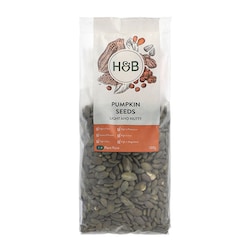
Holland & Barrett
£8.49
£16.98/1 kg
6. Soya
The glutamine in soybean meal is almost 19% 29, so you should add this legume – which is available in dried form in some supermarkets and all health food shops – to your diet if you’re looking to get more glutamine. If you aren’t sure what to do with soya – don’t worry! Many vegetarian and vegan products are made from soya beans, including tofu, tempeh and soya milk. Soya beans are also available in roasted form, ideal for snacking.
7. Dark leafy greens
Dark, leafy green vegetables including spinach, kale and parsley pack in a surprisingly high amount of glutamine. Parsley contains 1.8g glutamine per 50g.30 You might think it’d be difficult to get a good amount of glutamine from parsley as you only use a sprig or two at a time.
In that case, try the Middle Eastern salad tabbouleh, which contains around 100g parsley and along with its other star ingredient – bulghur wheat – makes it a great healthy choice to boost glutamine levels. Try including a spinach, and kale to a side salad with dinner – or you could add them together in a smoothie with your favourite fruit to balance out the bitter taste.
8. Red kidney beans
Great as a source of (incomplete) protein, fibre and iron, red kidney beans also contain around 0.6g glutamine per 100g.31 In fact, most pulses contain glutamine, including chickpeas, lentils, butter beans, pinto beans and many more. These are good choices for vegetarians and vegans who can’t get glutamine from the more rich animal sources.
9. Seaweed
Seaweeds and algae proteins are good sources of amino acids, with glutamine no exception. 50g dried spirulina contains around 4000mg of glutamine – or 4g.32 Try adding spirulina to a smoothie along with your favourite fruit. The smoothie will turn a vivid green, and the fruit will mask the slightly earthy flavour of the spirulina.
10. Meat
Meat is one of the most rich in glutamine foods. Roast chicken, for instance, contains around 5.5g of glutamine per 128g portion.33
Who might need glutamine supplements?
If you experience digestive health issues, you might consider a glutamine supplement to help protect the integrity of the intestinal wall.
Older adults may choose to supplement with glutamine to protect the muscles and gut, as the body’s natural production of this amino acid gradually reduces over the years.34

Also – if you’re exercising strenuously at the gym, you might be considering adding a glutamine supplement to your diet to aid with muscle recovery and help prevent muscle soreness.
Bear in mind that if you’re eating a high-energy, high-protein diet, you’re likely to consuming a higher than average level of glutamine due to the abundance of foods which contain glutamine (see above).35
When to take glutamine supplements
Glutamine supplements are available as capsules, as well as loose powder to scoop into post- workout shakes.
- Glutamine tablets usually contain around 500mg of glutamine each. One tablet per day is recommended, and we recommend taking glutamine tablets on an empty stomach, either an hour before eating or two hours after.38
- With glutamine powder, stir a heaped teaspoon (4.5g) into a cup of water or your favourite drink once or twice daily. We recommend you take one dose an hour before working out. Glutamine powder has a neutral taste but can have a bitter or salty edge, so we recommend mixing it into a smoothie or flavoured protein shake.
- https://www.sciencedirect.com/topics/medicine-and-dentistry/glutamine
- https://medlineplus.gov/ency/article/002222.htm
- https://www.ncbi.nlm.nih.gov/pmc/articles/PMC99658/
- https://pubmed.ncbi.nlm.nih.gov/10468648/
- https://pubmed.ncbi.nlm.nih.gov/11470441/
- https://www.ncbi.nlm.nih.gov/pmc/articles/PMC3900114/
- https://pubmed.ncbi.nlm.nih.gov/20671563/
- https://www.woundsresearch.com/article/effect-oral-l-glutamine-healing-second-degree-burns-mice
- https://pubmed.ncbi.nlm.nih.gov/25811544/
- https://journals.lww.com/aswcjournal/fulltext/2002/09000/glutamine_and_wound_healing.10.aspx
- https://badgut.org/information-centre/health-nutrition/glutamine/
- https://www.sciencedirect.com/science/article/abs/pii/S0928425701000158
- https://www.ncbi.nlm.nih.gov/pmc/articles/PMC6266414/
- https://pubmed.ncbi.nlm.nih.gov/18806122/
- https://journals.lww.com/aswcjournal/fulltext/2002/09000/glutamine_and_wound_healing.10.aspx
- https://www.ncbi.nlm.nih.gov/pmc/articles/PMC3249386/
- https://www.ncbi.nlm.nih.gov/pmc/articles/PMC6266414/
- https://badgut.org/information-centre/health-nutrition/glutamine/
- https://pubmed.ncbi.nlm.nih.gov/32405703/
- https://nutritiondata.self.com/foods-015093000000000000000-w
- https://nutritiondata.self.com/facts/vegetables-and-vegetable-products/2373/2
- https://pubmed.ncbi.nlm.nih.gov/18553888/
- https://www.ucer.info/glutamine_ulcerative_colitis.html
- https://www.botanical-online.com/en/food/redcabbage-properties
- https://pubmed.ncbi.nlm.nih.gov/8487655/
- https://www.ncbi.nlm.nih.gov/pmc/articles/PMC4932579/
- https://fdc.nal.usda.gov/fdc-app.html#/food-details/748967/nutrients
- https://fdc.nal.usda.gov/fdc-app.html#/food-details/170162/nutrients
- https://www.ncbi.nlm.nih.gov/pmc/articles/PMC3397538/#b6-ijms-13-07483
- https://fdc.nal.usda.gov/fdc-app.html#/food-details/170930/nutrients
- https://fdc.nal.usda.gov/fdc-app.html#/food-details/170930/nutrients
- https://nutritiondata.self.com/foods-015093000000000000000-w.html?maxCount=43
- https://woman.thenest.com/quantity-glutamine-chicken-7016.html
- https://www.ncbi.nlm.nih.gov/pmc/articles/PMC4892310/
- https://pubmed.ncbi.nlm.nih.gov/18806122/
- https://pubmed.ncbi.nlm.nih.gov/18806122/
- https://www.hollandandbarrett.com/shop/product/holland-barrett-l-glutamine-tablets-500mg-60003042
- https://www.hollandandbarrett.com/shop/product/holland-barrett-l-glutamine-tablets-500mg-60003042
The advice in this article is for information only and should not replace medical care. Please check with your GP or healthcare professional before trying any supplements, treatments or remedies. Food supplements must not be used as a substitute for a varied and balanced diet and a healthy lifestyle.
Related to this article


