 Track an order
 Buy It Again
 Favourites
 Manage account
 Rewards
 Subscriptions
 Find a store
 Help centre


Summary
1What is shilajit?
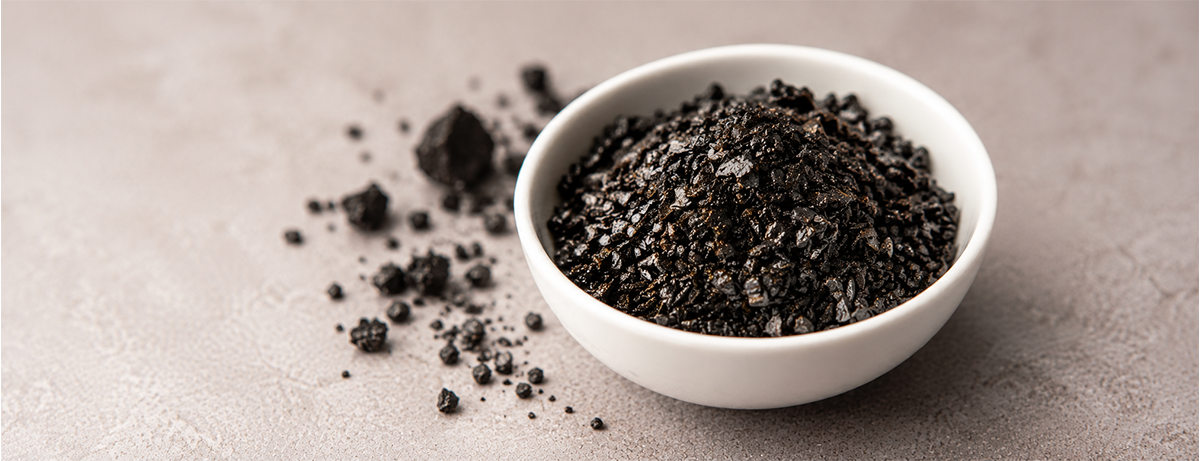
Shilajit is a naturally occurring, resin-like substance that seeps from rocks in high mountain ranges, most famously the Himalayas.
2What is shilajit used for?
Early human research has explored shilajit for areas including muscle function, bone health and sexual health, but the evidence is still emerging.
3How to choose a shilajit supplement
Look for products that clearly explain how the ingredient has been purified and processed. The word ‘pure’ on its own isn't a guarantee of quality.
Shilajit has been used in traditional Ayurvedic culture for centuries, but this dark, resin-like substance has recently found a new audience in the modern wellness world. Often described as a mineral-rich or ‘herbo-mineral’ substance, shilajit is naturally formed in mountainous regions and contains a complex mixture of humic substances, fulvic compounds, minerals and other organic compounds.
Today, it’s available as supplements in formats including shilajit resin, powders and capsules. But what is shilajit actually used for? And does the science support the increasingly long list of benefits associated with it? With help from Molly Sykes, our Registered Associate Nutritionist, we’ve got all you need to know about shilajit, from its traditional uses and potential benefits to safety, dosage and how to choose a quality supplement.
What is shilajit and what does it do?
“Shilajit is a naturally occurring, resin-like substance that seeps from rocks in high mountain ranges, most famously the Himalayas,” says Molly. “It’s a complex mixture of plant-derived material, minerals and microbial by-products, with fulvic acid and dibenzo-alpha-pyrones considered some of its key active components.” Its exact composition can vary depending on where it comes from and how it is processed. Research suggests that shilajit is particularly rich in humic substances and can contain fulvic compounds, dibenzo-α-pyrones, amino acids and minerals.1
This variability is important. Shilajit isn't a single, chemically uniform ingredient in the way that a vitamin such as vitamin C is. Different sources and preparations can have quite different compositions, which is one reason product quality and standardisation matter. “Shilajit has been used for thousands of years in Ayurvedic traditions, where it is known as a Rasayana,” says Molly.1 “However, while it has a long history of traditional use, that shouldn’t be confused with proven health benefits – modern clinical research is still very limited.”
Modern interest is somewhat different. Shilajit is now commonly marketed as a supplement for areas such as energy, exercise performance, men's health, fertility and general wellbeing. However, traditional use and modern clinical evidence aren't the same thing. “Despite growing interest in shilajit, the human evidence is still at an early stage,” says Molly. “There are some promising findings, but studies are relatively few, often small or focused on specific populations, so we need more robust clinical trials before we can confidently say whether shilajit provides particular health benefits.”
What are the potential benefits of shilajit?
So, what could shilajit actually bring to your daily routine? Let’s take a closer look at where the ingredient has shown promise and what the research has to say. “Early human research has explored shilajit for areas including muscle function, bone health and sexual health, but the evidence is still emerging,” says Molly. “These findings need to be replicated in larger, high-quality studies before firm conclusions can be drawn.”
Shilajit and men's health
One of the most researched areas of shilajit is men's health, particularly testosterone and reproductive function. In one randomised, double-blind, placebo-controlled study, healthy men aged 45–55 took 250mg of purified shilajit twice daily for 90 days. Researchers reported increases in total testosterone, free testosterone and DHEAS (hormone building blocks) compared with placebo. However, this study has limited quality due to the high number of participants who dropped out.2
There is also some preliminary research into sperm health. A small clinical study involving men with low sperm counts found that 90 days of processed shilajit supplementation was associated with improvements in sperm count, motility and testosterone. However, this study was poor quality and needs to be retested in a larger trial with robust methodology.3 These findings may be promising, but they're not enough to establish shilajit as beneficial for men’s health or testosterone levels. The limited studies available were relatively small, and more independent, larger and longer-term trials are needed.
Shilajit and women's health
Research into shilajit and women's health is just as limited, but there is at least some human evidence worth noting. A 48-week randomised, double-blind, placebo-controlled trial involving 60 postmenopausal women with osteopenia investigated a standardised shilajit extract at doses of 250mg or 500mg per day. Compared with placebo, the shilajit groups showed less loss of bone mineral density at the spine and femoral neck.4
This is an interesting finding, particularly because bone health becomes increasingly important following menopause. However, it's a single, relatively small study, so more research is needed before we can say that shilajit reliably supports bone health in postmenopausal women. It's also worth noting that there isn't currently enough evidence to make broad claims about shilajit's effects on female hormones, fertility, menopause symptoms or other aspects of women's health.
Shilajit, energy and exercise
Shilajit is often promoted as an ingredient for energy, stamina and physical performance. There are plausible biological mechanisms behind some of these claims, and earlier research has suggested possible antioxidant and metabolic effects.5 However, a review of the available evidence concluded that further well-controlled human studies using standardised shilajit products are needed.5 In other words, shilajit may be an interesting ingredient for people interested in exercise and vitality, but it shouldn't be presented as a proven energy booster or performance-enhancing supplement.
What does the research say about shilajit?
Research into shilajit spans laboratory studies, animal research and a relatively small number of human clinical trials. Some of those human studies have reported potentially interesting effects relating to testosterone, sperm parameters and bone mineral density.2
However, there are several important limitations. Many studies have involved relatively small numbers of participants – and different studies may use different preparations of shilajit, making it difficult to compare results directly. The composition of shilajit can also vary according to its geographical source and processing method.6 This means that evidence for one standardised shilajit extract shouldn't automatically be applied to every resin, powder or capsule on the market. For now, the most accurate way to describe shilajit is as an ingredient of growing scientific interest, rather than a clinically established treatment.
Is shilajit safe?
Shilajit may be safe when it has been properly purified and quality-controlled, but ‘natural’ doesn’t automatically mean safe. Unpurified or poorly processed shilajit may contain harmful contaminants, including heavy metals such as lead, mercury and arsenic. There is also limited evidence on its long-term safety in humans. Overall, if you choose to use shilajit, opt for a reputable, purified product that has been independently tested for heavy metals and other contaminants – and speak to your GP before trying a new supplement.1
Who should seek medical advice before taking shilajit?
If you're pregnant or breastfeeding, have an existing medical condition, or take regular prescription medication, speak to your GP or another healthcare professional before taking shilajit.7 The same applies if you're considering shilajit because of unexplained symptoms such as persistent fatigue, changes in sexual function or concerns about your hormones. Supplements shouldn't be used as a substitute for finding out what's causing these symptoms.7
How do you take shilajit?
There's no universally established dose of shilajit for general health, and the appropriate amount depends on the specific product and preparation. Always follow the manufacturer's recommended serving rather than assuming that a dose used in a clinical study applies to every shilajit supplement. Choose the format that suits your routine, while paying close attention to quality and testing. Shilajit is available in:
shilajit resin
capsules
powders
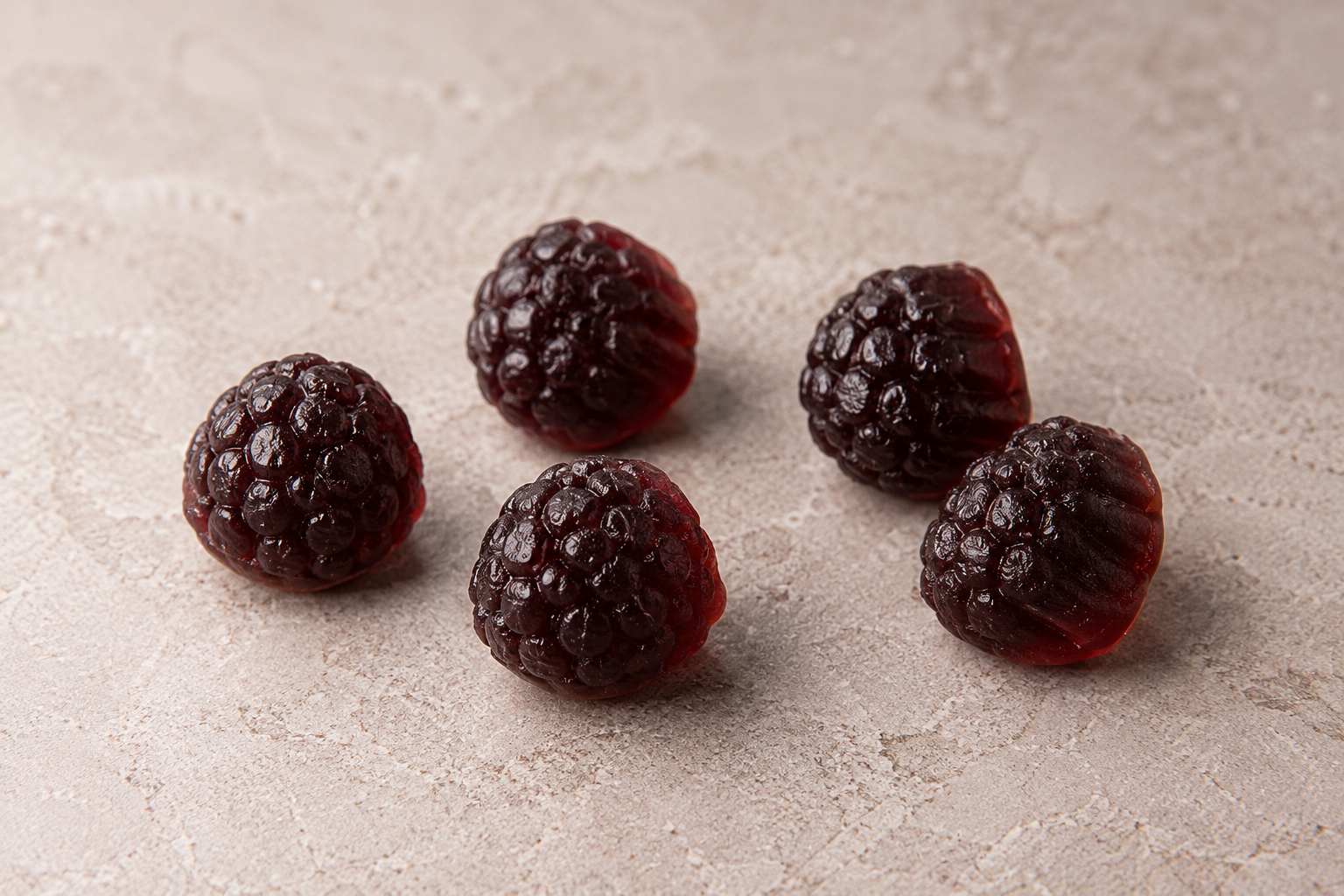
gummies
How to choose a shilajit supplement
With shilajit, product quality deserves just as much attention as the ingredient itself. Here are some things to look for when choosing a supplement.
Raw or unprocessed shilajit may contain unwanted contaminants. Look for products that clearly explain how the ingredient has been purified and processed. The word ‘pure’ on its own isn't a guarantee of quality. A product calling itself ‘pure shilajit’ should still provide meaningful information about its source, processing and testing.
A good supplement label should make it clear:
how much shilajit is provided per serving
what form of shilajit is used
whether the ingredient has been purified or standardised
what other ingredients are included
how the product should be taken
who should avoid the product or seek medical advice
Be cautious about products making dramatic promises, particularly claims that a supplement can diagnose, treat or cure a medical condition. In the UK, food supplements must not be marketed as products that treat, prevent or cure disease.9
Shilajit FAQs
Shilajit is a complex, naturally occurring substance rather than a single ingredient. It forms over long periods in mountainous regions and contains a mixture of organic compounds, minerals and humic substances, including fulvic compounds.1 Its exact composition can vary depending on where it comes from and how it’s processed, which is why sourcing and purification are important when choosing a supplement.
Shilajit gummies can be a convenient way to take shilajit, but the format itself doesn't make the ingredient more or less effective. What matters is how much shilajit the product contains, whether it's been properly purified and whether its quality has been independently tested. As research has generally focused on specific shilajit preparations rather than gummies, there isn't currently enough evidence to say that shilajit gummies offer the same effects as the preparations used in clinical studies.
There's no scientifically established ‘best’ time of day to take shilajit, so consistency is more important than the clock. Follow the serving instructions on your chosen product and, if you find it causes any stomach discomfort, try taking it with food. If you're taking other medicines or supplements, it's also worth checking with your GP or pharmacist to make sure shilajit is suitable for you.
The final say
Shilajit is a fascinating traditional ingredient finding its place in modern scientific research. Early human studies hint at potential benefits for testosterone, male reproductive health and bone health in postmenopausal women. Yet, while the findings are intriguing, the evidence remains limited. For now, shilajit is a promising subject of research rather than a proven health solution – and one worth watching as the science evolves.
Looking to discover more? Discover what the evidence says about CoQ10 and energy or whether men get thrush and what the symptoms are.
Disclaimer – This article provides informational advice and is not a substitute for medical care. Working with experts for accuracy, we take great care to ensure the information is up-to-date and relevant. However, you should always consult your GP or healthcare professional before using supplements or alternative products, particularly if you have medical conditions or are under supervision.
1 Carrasco-Gallardo C, Guzmán L, Maccioni RB. Shilajit: A Natural Phytocomplex with Potential Procognitive Activity. International Journal of Alzheimer’s Disease [Internet]. 2012 [cited 2026 Oct 26];2012:1–4. Available from: https://www.ncbi.nlm.nih.gov/pmc/articles/PMC3296184/
2 Pandit S, Biswas S, Jana U, De RK, Mukhopadhyay SC, Biswas TK. Clinical evaluation of purified Shilajit on testosterone levels in healthy volunteers. Andrologia. 2015 Sept 22;48(5):570–5.
3 Biswas TK, Pandit S, Mondal S, Biswas SK, Jana U, Ghosh T, et al. Clinical evaluation of spermatogenic activity of processed Shilajit in oligospermia. Andrologia [Internet]. 2010 Feb 1 [cited 2026 Oct 26];42(1):48–56. Available from: https://pubmed.ncbi.nlm.nih.gov/20078516/
4 Usharani P, Chandrasekhar N. Shilajit extract reduces oxidative stress, inflammation, and bone loss to dose-dependently preserve bone mineral density in postmenopausal women with osteopenia: A randomized, double-blind, placebo-controlled trial. Phytomedicine. 2022 July;154334.
5 Keller JL, Housh TJ, Hill EC, Smith CM, Schmidt RJ, Johnson GO. The effects of Shilajit supplementation on fatigue-induced decreases in muscular strength and serum hydroxyproline levels. Journal of the International Society of Sports Nutrition. 2019 Feb 6;16(1).
6 Basavaraja D, Katkar R, Dhaka P, Tomar S, Sircar D, Chikara G, et al. Chemical Analysis of Native Himalayan Shilajit: An Evaluation of an Ayurvedic Formulation. ACS Omega. 2025 Nov 19;10(47):57097–106.
7 Food Standards Agency. Food supplements guidance [Internet]. GOV.UK. 2026 [cited 2026 Oct 26]. Available from: https://www.gov.uk/government/publications/food-supplements-guidance-for-consumers/food-supplements-guidance
8 Shilajeet - an overview | ScienceDirect Topics [Internet]. www.sciencedirect.com. [cited 2026 Oct 26]. Available from: https://www.sciencedirect.com/topics/pharmacology-toxicology-and-pharmaceutical-science/shilajeet
9 MHRA. MHRA Guidance Note 8: A guide to what is a medicinal product [Internet]. London: MHRA; 2025 Sept [cited 2026 Oct 26]. Available from: https://assets.publishing.service.gov.uk/media/6a747082bde92a23046b246e/GN8_FINAL_20260806.pdf


