 Track an order
 Buy It Again
 Favourites
 Manage account
 Rewards
 Subscriptions
 Find a store
 Help centre
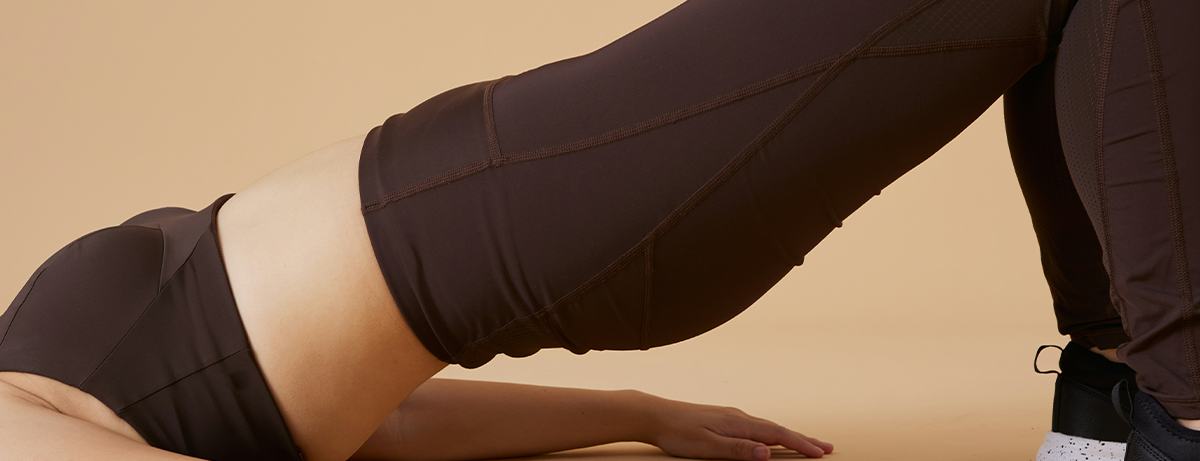
You can't see it, but your pelvic floor works around the clock. So, what exactly is it, what does it do and why is everyone suddenly talking about it? Here's everything you need to know
Summary
1What is the pelvic floor?
It's made up of a group of muscles and connective tissues that stretch from your pubic bone at the front to your tailbone at the back.
2Why is the pelvic floor important?
It helps support your pelvic organs, control your bladder and bowels, supports sexual function and stabilises your core.
3Symptoms of a weak pelvic floor
One of the symptoms you might notice is leaking urine when coughing, sneezing, laughing, exercising or lifting something heavy.
You probably don't think much about your pelvic floor – until it starts causing problems. Whether you've noticed bladder leaks when you laugh, heard people talking about Kegels after pregnancy or are simply wondering what your pelvic floor actually does, you're not alone.
These muscles play a surprisingly big role in everyday life, from bladder and bowel control to supporting your core and sexual function. Here's what to know.
What is the pelvic floor?
Think of your pelvic floor like a supportive hammock that sits at the base of your pelvis. It's made up of a group of muscles and connective tissues that stretch from your pubic bone at the front to your tailbone at the back and the sides of the pelvis. These muscles support the organs in your pelvis, including the bladder and bowel, as well as the uterus in women and the prostate in men.1
Why is the pelvic floor important?
Your pelvic floor is constantly working behind the scenes, often without you even realising it. Healthy pelvic floor muscles help:2-4
- support your pelvic organs: keeping your bladder, bowel and uterus or prostate in their normal position
- control your bladder and bowels: helping you hold in pee, wind and poo until you're ready to go to the toilet
- support sexual function: healthy pelvic floor muscles play a role in sexual sensation and function in both men and women
- stabilise your core: the pelvic floor works alongside your abdominal, back and diaphragm muscles to support your core, posture and everyday movement
Can your pelvic floor be too tight?
Yes – and it's more common than many people realise.6 When people talk about pelvic floor problems, they often assume the muscles are weak. But in some cases, the opposite is true. A tight or overactive pelvic floor happens when the muscles are constantly tense and struggle to fully relax.6
This can cause symptoms that are surprisingly similar to those of a weak pelvic floor, including pelvic pain, pain during sex, constipation, difficulty emptying your bladder or a frequent urge to urinate. Some people may also experience lower back, hip or pelvic pain.
What are the symptoms of pelvic floor problems?
Ever leaked a little when you laughed, sneezed or jumped? Or found yourself rushing to the toilet and wondering if that's just part of getting older or having children? It might not be. Pelvic floor problems can cause different symptoms depending on whether the muscles are weak, poorly coordinated, overactive or affected by another condition.
Women with pelvic floor issues may notice:7
- leaking urine when coughing, sneezing, laughing, exercising or lifting something heavy (stress urinary incontinence)
- a feeling of heaviness, dragging or pressure in the pelvis, which may become more noticeable after standing for long periods
- pain or discomfort during sex, which may affect intimacy and quality of life
- a sudden or frequent urge to urinate, sometimes making it difficult to reach the toilet in time
Men may notice:8
- leaking urine, especially after coughing, lifting or physical activity
- difficulty controlling the bladder following prostate surgery while the pelvic floor muscles recover
- erectile dysfunction, can be associated with pelvic floor dysfunction in some men, although there are many possible causes
Occasional bladder leaks can happen, but they shouldn't be dismissed as a normal part of ageing, pregnancy or childbirth. If your symptoms are persistent, getting worse or affecting your daily life, speak to your GP.
What can affect your pelvic floor?
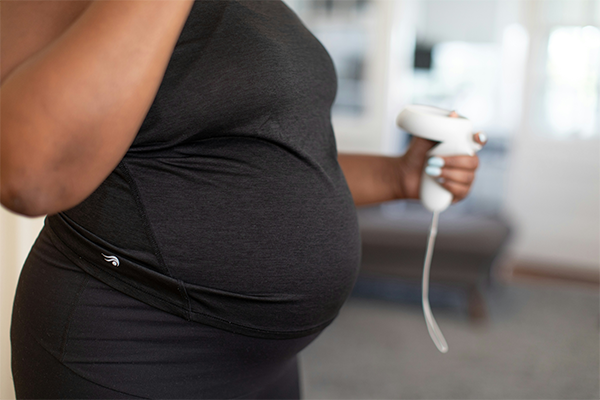
A weak pelvic floor doesn't happen overnight. Like any muscle in your body, your pelvic floor can become stretched, weakened or damaged over time. Sometimes it's the result of a major life event, such as pregnancy or surgery. Other times, it's everyday habits like chronic coughing or ongoing constipation that gradually put these muscles under extra strain. Some of the most common causes include the following.7,9
Pregnancy and childbirth
Pregnancy and childbirth place significant strain on the pelvic floor. During pregnancy, increasing pressure, hormonal changes and the weight of the growing uterus place additional demands on the pelvic floor.9 Vaginal birth can stretch or sometimes injure the pelvic floor muscles, nerves and connective tissues. For some people, this can lead to bladder leaks or a feeling of heaviness afterwards.
Ageing and menopause
As we age, our muscles tend to lose strength, including those in the pelvic floor. For women, the drop in oestrogen levels during menopause can also affect the muscles and connective tissues that support the bladder, bowel and uterus, increasing the risk of pelvic floor dysfunction and urinary incontinence.
Prostate surgery
Some men may experience temporary pelvic floor weakness after prostate surgery, particularly following treatment for prostate cancer. This can lead to urinary leakage while the muscles recover. Pelvic floor exercises are often recommended as part of rehabilitation, although recovery varies from person to person.
Chronic coughing and smoking
Frequent coughing, whether caused by smoking or a long-term respiratory condition, repeatedly increases pressure inside the abdomen. Over time, this extra strain can weaken the pelvic floor muscles. Quitting smoking may help reduce this risk, while also benefiting your overall health.
Constipation
Regular straining when opening your bowels puts repeated pressure on your pelvic floor. If constipation is an ongoing problem, treating the underlying cause and avoiding excessive straining may help protect your pelvic floor muscles.
Weight
Carrying excess body weight increases pressure on the pelvic floor, particularly during everyday activities such as standing, walking and lifting. Over time, this additional strain may contribute to bladder leaks and other symptoms of pelvic floor dysfunction.
Heavy lifting and high-impact exercise
Lifting heavy weights, whether at work or in the gym, increases pressure inside your abdomen and places greater demand on your pelvic floor. High-impact activities such as running, jumping and some competitive sports may also increase this pressure. That doesn't mean you should avoid exercise but learning how to engage your pelvic floor correctly during these activities may help reduce unnecessary strain.
How is pelvic floor dysfunction diagnosed?
If you think you might have pelvic floor dysfunction, the first step is usually to speak to your GP. They'll ask about your symptoms, medical history and how your bladder, bowel or pelvic symptoms are affecting your daily life. Depending on your symptoms, they may carry out a physical examination or refer you to a pelvic health physiotherapist or another specialist for further assessment.
Can pelvic floor problems be treated?
In many cases, pelvic floor problems can be managed successfully, and the earlier you seek advice, the more treatment options are usually available. The right treatment will depend on the cause of your symptoms and whether your pelvic floor muscles are weak, overactive (too tight) or affected by another underlying condition.
Pelvic floor FAQs
Yes. Pregnancy isn't the only thing that affects your pelvic floor. Everyone has pelvic floor muscles, and they play an important role in bladder and bowel control, core stability and sexual function.1 Many factors can all put extra strain on the pelvic floor, so it's worth looking after these muscles throughout life.
In many cases, yes. Like other muscles in your body, your pelvic floor can often become stronger with the right treatment and regular exercise. How long recovery takes depends on what's causing your symptoms, how severe they are and whether your pelvic floor is weak or overactive (too tight).
Yes – during menopause, levels of the hormone oestrogen naturally fall, which can affect the muscles and connective tissues that support your pelvic organs. Some women notice symptoms such as bladder leaks, a more frequent urge to urinate or a feeling of heaviness in the pelvis. The good news is that these symptoms can often be managed. Pelvic floor muscle training, lifestyle changes and, for some women, treatments recommended by a healthcare professional may all help improve symptoms.
The final say
We spend plenty of time thinking about our heart, our gut and our muscles, but the pelvic floor rarely gets a mention until something goes wrong. So, understanding how it works is often the first step towards protecting it. Don't ignore those little leaks, aches or changes – your body could be telling you it needs a little extra support.
Ready for more? Discover pelvic floor exercises and why they might help strengthen your pelvic floor or wondering if prune juice really helps constipation? Take a look.
Disclaimer – This article provides informational advice and is not a substitute for medical care. Working with experts for accuracy, we take great care to ensure the information is up-to-date and relevant. However, you should always consult your GP or healthcare professional before using supplements or alternative products, particularly if you have medical conditions or are under supervision.
1. NHS Inform. Pelvic floor muscles [Internet]. 2023 [cited 2024 Mar 8]. Available from: https://www.nhsinform.scot/healthy-living/womens-health/middle-years-around-25-to-50-years/pelvic-health/pelvic-floor-muscles/
2. Vilas Boas Sartori D, Kawano PR, Yamamoto HA, Guerra R, Pajolli PR, Amaro JL. Pelvic floor muscle strength is correlated with sexual function. Investigative and Clinical Urology. 2021;62. Available from: https://www.ncbi.nlm.nih.gov/pmc/articles/PMC7801170/
3. Cohen D, Gonzalez J, Goldstein I. The Role of Pelvic Floor Muscles in Male Sexual Dysfunction and Pelvic Pain. Sexual Medicine Reviews. 2016 Jan;4(1):53–62. Available from: https://www.sciencedirect.com/science/article/abs/pii/S2050052115000025
4. Nipa SI, Sriboonreung T, Paungmali A, Phongnarisorn C. The Effects of Pelvic Floor Muscle Exercise Combined with Core Stability Exercise on Women with Stress Urinary Incontinence following the Treatment of Nonspecific Chronic Low Back Pain. Advances in Urology [Internet]. 2022 Sept 5 [cited 2026 July 21];2022(1):2051374. Available from: lm.nih.gov/pmc/articles/PMC9467742/
5. Pelvic Floor Exercises for Women [Internet]. North Tees and Hartlepool NHS Foundation Trust. 2024 Mar [cited 2026 July 21]. Available from: https://www.nth.nhs.uk/resources/pelvic-floor-exercises-for-women/
6. Pelvic health physiotherapy Overactive Pelvic Floor Information for patients, families and carers. In [cited 2026 July 23]. Available from: https://www.imperial.nhs.uk/-/media/website/patient-information-leaflets/physiotherapy/overactive-pelvic-floor.pdf?rev=20577c7c67854a71862562f4061961c2
7. Grimes WR, Stratton M. Pelvic floor dysfunction [Internet]. PubMed. Treasure Island (FL): StatPearls Publishing; 2023 June [cited 2026 July 23]. Available from: https://www.ncbi.nlm.nih.gov/books/NBK559246/
8. Notenboom‐Nas FJM, Knol‐de Vries GE, Beijer L, Tolsma Y, Slieker‐ten Hove MCPh, Dekker JH, et al. Exploring pelvic floor muscle function in men with and without pelvic floor symptoms: A population‐based study. Neurourology and Urodynamics. 2022 July 25;41(8):1739–48.
9. Patient Information Pelvic Floor Weakness Urogynaecology 2. In [cited 2026 July 23]. Available from: https://www.enherts-tr.nhs.uk/wp-content/uploads/2020/02/Pelvic-Floor-Weakness-V1-01.2020-web.pdf


