20% off £40 or 15% off £30
 Track an order
 Buy It Again
 Favourites
 Manage account
 Rewards
 Subscriptions
 Find a store
 Help centre
Too much earwax? Here’s how manage buildup safely

Written byH&B editorial team

Reviewed byHeeral Tomlinson

What actually is earwax and why do we have it? How much is too much? Let's clear things up
Summary
1What’s earwax and what does it do?
Similar to how mucus in the nose or tear film in the eyes traps dust and microbes, earwax traps debris and helps protect the ear canal.
2How to deal with earwax
If you have a ‘normal’ amount of earwax and it’s not bothering you, you usually don’t need to do anything to remove it.
3When to get earwax checked
If symptoms don’t improve after using pharmacy options for a few days, or if a buildup is affecting your hearing, it may be worth speaking to a health
Put the cotton bud away: we see you. Turns out, there are other (and safer) ways to clean your ears. But what are they? How much earwax is too much? And what can you do to manage excess buildup safely? Read on and you’ll soon be an earwax aficionado...
What’s earwax and what does it do?
Earwax is produced by specialised glands in the ear canal, combined with natural oils and shed skin cells. It helps to trap dust, dead cells and skin, in addition to clearing the ears of potentially harmful bacteria or fungi.1 Similar to how mucus in the nose or tear film in the eyes traps dust and microbes, earwax traps debris and helps protect the ear canal. The skin of the ear canal grows towards the outside of the ear like a conveyor belt, slowly carrying wax and anything trapped inside it out.
What happens when you have too much earwax?
Earwax is natural and most of the time we can just let it do its job. But some people produce more earwax than others and it might become uncomfortable. If there’s too much, it could become difficult to hear properly or you may have a blocked sensation or itchy ears. Occasionally, trapped wax can also contribute to irritation.2 You may also experience tinnitus (ringing in the ears) or feel dizzy if earwax buildup becomes significant.2
What are the most common causes of earwax buildup?
The most common reasons include:2
- your ear canals (the tubes inside your ears) are hairy or narrow
- you're an older adult – as you get older, wax can get harder and it doesn’t fall out as easily
- you clean your ears using cotton buds – this can push the wax in further and compact it
- you frequently use hearing aids, earplugs or headphones
- inflammation of the ear canal (otitis externa, also called ‘swimmer’s ear’)
How to deal with earwax
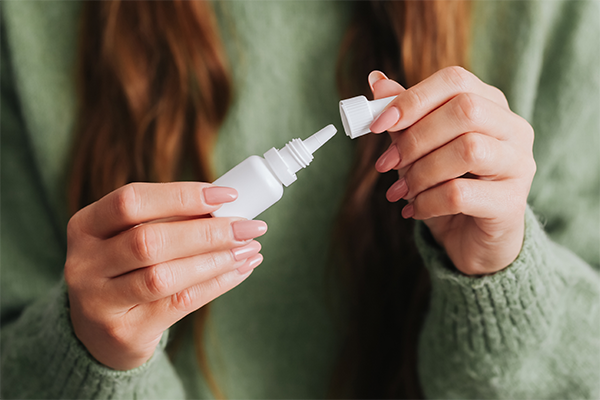
If you have a ‘normal’ amount of earwax and it’s not bothering you, you usually don’t need to do anything to remove it. Putting objects in your ears could cause more harm than good.
You can use oil-based sprays or drops to help soften earwax. These require you to follow the instructions carefully. The NHS doesn’t advise using other methods of ear wax removal, like ear vacuums, as there’s not enough evidence they work.2
You can use oil-based sprays or drops to help soften earwax. These require you to follow the instructions carefully. The NHS doesn’t advise using other methods of ear wax removal, like ear vacuums, as there’s not enough evidence they work.2
Removing earwax: what not to do
Avoid poking your fingers down your ears to try and get it out or use cotton buds or other implements to scoop it out. This may push the wax further in, which could potentially damage your ear canal skin or your eardrum.
When to get earwax checked
If symptoms don’t improve after using pharmacy options for a few days, or if a buildup is affecting your hearing, it may be worth speaking to a healthcare professional. You should also seek advice if you experience pain, dizziness or any bleeding or unusual discharge from your ear.3
FAQs
For the most part, no – your body naturally pushes earwax out when you move your jaw and as the skin inside the ear canal grows. You should only remove your earwax if it’s causing issues, for example you’re finding it hard to hear or the blockage is making you dizzy.
Again, earwax consistency might depend on genetic and individual differences. As long as it’s not bothering you, the consistency shouldn’t matter too much and it’s mostly out of your control.
The final say
As tempting as it might be to try and remove earwax yourself, it’s usually best to leave it alone. Want to learn about some more body bothers? Discover why your skin’s so itchy or what causes warts on fingers...
Disclaimer – This article provides informational advice and is not a substitute for medical care. Working with experts for accuracy, we take great care to ensure the information is up-to-date and relevant. However, you should always consult your GP or healthcare professional before using supplements or alternative products, particularly if you have medical conditions or are under supervision.
1. National Institute for Health and Care Excellence (NICE). Earwax [Internet]. NICE [reviewed 2025 Oct; cited 2026 Feb 11]. Available from: https://cks.nice.org.uk/topics/earwax/
2. NHS. Earwax build-up [Internet]. NHS [reviewed 2024 Jan 5; cited 2026 Feb 11]. Available from https://www.nhs.uk/conditions/earwax-build-up/
3. Wembley Park Medical Centre. Ear Wax – Self Care Advice [Internet]. Wembley Park Medical Centre [cited 2026 Feb 11]. Available from: https://www.wembleyparkgp.nhs.uk/your-health/ear-wax-self-care-advice/


