 Track an order
 Buy It Again
 Favourites
 Manage account
 Rewards
 Subscriptions
 Find a store
 Help centre
The 5 summer habits that make a difference


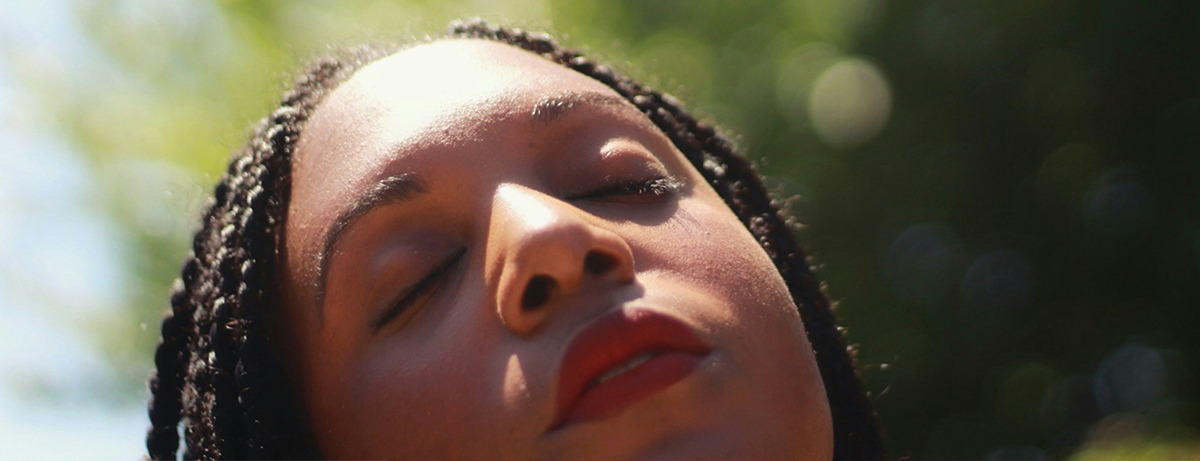
Summer makes healthy habits feel easier. We asked the experts for five small, realistic changes that could help improve how you sleep, move, eat and feel
Summary
1Stay hydrated smartly
It’s not just about water. Foods like cucumber and watermelon count towards your daily fluid intake, especially in the heat.
2Move more, exercise less
Summer social plans like picnics and gardening all count as daily movement. You don’t need a gym to stay active.
3Protect your sleep
Blackout blinds, a cool room and a consistent bedtime make a real difference when evenings are warm and light.
Everyone tends to plot their major lifestyle overhaul at the start of the year, but did you know that summer is secretly a great time to bed in healthy new habits? The warmer, light-filled days are the perfect conditions for making small tweaks to your routine, when you’re naturally more motivated to get outside, move your body and eat a ton of hydrating fruits and veggies.
On the hunt for some healthy summer inspiration? From smarter sleep habits to seasonal food swaps, these simple tweaks might just make a real difference to how you feel, move and function in the heat.
Why do healthy habits feel easier in summer?
Summer naturally changes our routines in ways that benefit our health. “Longer daylight hours improve mood and energy, people tend to spend more time outdoors and movement becomes more social and enjoyable rather than something that feels forced,” explains Dr Nikki Ramskill, Doctify-rated GP and the founder of The Female Health Doctor Clinic. “With warmer weather and more socialising outdoors, many of us opt for lighter meals this time of year too.”
5 easy ways to support your health this summer
Wondering exactly how you can make the most of the good weather and its motivation-boosting powers? Here’s a basic five-point guide to gently improving your wellness this season, without needing the time or energy to drastically reboot your lifestyle.
1. Set hydration timers on your phone
In warmer temperatures, we lose fluid through sweat faster than we realise and thirst is one of the earliest warning signs you need to top up.1,2 By the time you feel it, mild dehydration may already have set in, which can easily affect your energy and mood.
“Many people don’t realise that headaches, fatigue, dizziness and brain fog can sometimes be linked to dehydration rather than simply being tired,” says Dr Ramskill.
Alongside good old H2O, water-dense foods like watermelon, cucumber, strawberries and tomatoes all contribute to fluid intake. If plain water feels dull, try adding lemon, mint or frozen berries, or switch to cold herbal teas and set regular timers to remind you to sip. “The goal is to aim for ‘little and often’ throughout the day, rather than drinking lots when you’re already feeling parched.”
2. Pair a power walk with your coffee
“Drinking your morning coffee on a quick walk, even for just 10 to 15 minutes, exposes the eyes to natural daylight, which directly affects your circadian rhythm – the internal clock3 that regulates sleep,” says Dr Ramskill. “Getting outside in nature within the first hour of waking, even briefly, tells your brain the day has begun and sets the timer for melatonin production later that evening.”4 For extra wellness points, you could pair your cuppa with a wellbeing podcast of choice, taking a route that includes some greenery so you can reap the potential stress-lowering benefits of being in nature.
3. Move more without ‘working out’
Walking to a picnic spot, cycling to meet a friend at a café, potting plants in the late-evening sun. None of these feel like exercise, yet all of them count towards your movement goals. “One of the advantages of summer is that movement often feels more natural and enjoyable rather than something that has to happen in a gym,” says Dr Ramskill. “These forms of low-intensity movement support heart health and circulation, build mobility, reduce stress and can help us to sleep better.”5
“Gardening in summer is really underrated,” adds Onebright psychotherapist Kerri Mee. “You’re elevating your heart rate, challenging your whole body strength while digging and weeding and you also get a massive sense of achievement when you sit outside and admire your finished handiwork.”
4. Eat more seasonal foods
“Classic summer produce (think berries, tomatoes, courgettes, cucumbers, stone fruits) tend to be rich in fibre, antioxidants, vitamins and water, all of which support gut health, hydration and stable energy,” notes Dr Ramskill. “People also naturally tend to gravitate towards lighter meals during warmer weather, which can sometimes leave them feeling less sluggish compared to heavier processed foods.”
Right now in the UK, look for strawberries, raspberries and cherries, tomatoes and cucumbers at peak flavour, broad beans, peas and courgettes and stone fruits like peaches and nectarines. Swap a heavy lunch for a tomato and bean salad, add berries to your breakfast or snack on a handful of cherries.
5. Protect your sleep during lighter evenings
Long bright evenings delay the production of the sleep hormone melatonin and hot, stuffy bedrooms make it difficult for the body to cool down, both of which can seriously disrupt your shuteye.6 The result is a gradual shortening of slumber that can quickly put you in a sleep debt, where you wake up never feeling quite rested.7 For a better night’s kip, Dr Ramskill suggests trying these simple sleep hygiene strategies:

- keep bedrooms cool where possible
- use blackout curtains, sleep masks and earplugs
- limit bright screens late at night or using blue-light blocking glasses
- maintain a relatively consistent sleep routine
- avoid very heavy meals or excess alcohol close to bedtime
- avoid caffeine after midday
How to keep summer habits realistic
“Avoid overloading yourself – start with one habit, not five,” Dr Ramskill suggests. In doing so, you can tap into the science of habit stacking by linking new behaviours to something you already do – morning coffee becomes morning coffee outside, catching up with a friend becomes a walking catch-up or a screen break gets paired with a glass of water. “People often struggle when they try to overhaul their entire lifestyle overnight. In reality, small habits repeated consistently tend to create the biggest long-term impact.”
Summer habits FAQs
Drink little and often before you feel thirsty. Eat water-rich foods like cucumber, watermelon and strawberries. If plain water feels boring, add fruit, mint or try cold herbal teas. Pale yellow urine is a good sign you’re well hydrated.
For many people, yes, depending on how long you walk for. “Walking has significant benefits for cardiovascular health, blood sugar balance, mental wellbeing and mobility,” says Dr Ramskill. “Exercise doesn’t have to feel intense to be beneficial.” A brisk daily walk can contribute towards the NHS recommendation of 150 minutes of moderate activity per week.
Lighter evenings suppress melatonin and delay sleepiness, whilst warm rooms prevent the body cooling down enough to initiate sleep. Blackout blinds, a cooler bedroom and a consistent bedtime are the most effective starting points.
The final say
The best thing about summer health habits is that they don't feel like habits at all. By enjoying the season to its fullest with more time outdoors, a fridge packed with seasonal ingredients and a new coffee-to-go ritual (have you tried mushroom coffee yet?), you can naturally bring more of the good stuff into your day-to-day routine.
Already planning your morning walk route? Find out how many steps scientists recommend we take each day to stay healthy, depending on your age.
Disclaimer – This article provides informational advice and is not a substitute for medical care. Working with experts for accuracy, we take great care to ensure the information is up-to-date and relevant. However, you should always consult your GP or healthcare professional before using supplements or alternative products, particularly if you have medical conditions or are under supervision.
1. National Research Council (US) Committee on Diet and Health. Water and electrolytes. In: Diet and Health: Implications for Reducing Chronic Disease Risk. Washington (DC): National Academies Press (US); 1989. Available from: https://www.ncbi.nlm.nih.gov/books/NBK236237/
2. NHS. Dehydration [Internet]. London: National Health Service; [cited 2026 May 27]. Available from: https://www.nhs.uk/conditions/dehydration/
3. St-Onge MP, Grandner MA, Brown D, et al. Sleep duration and quality: impact on lifestyle behaviours and cardiometabolic health. Sleep Med Rev. 2019;46:1-10. Available from: https://pmc.ncbi.nlm.nih.gov/articles/PMC6751071/
4. Huang T, Redline S. Cross-sectional and prospective associations between sleep and metabolic health. Sleep Med Clin. 2024. Available from: https://pmc.ncbi.nlm.nih.gov/articles/PMC12502225/
5. Pretty J, Peacock J, Sellens M, Griffin M. The mental and physical health outcomes of green exercise. Int J Environ Health Res. 2005;15(5):319-337. Available from: https://pmc.ncbi.nlm.nih.gov/articles/PMC1402378/
6. Wang X, et al. Circadian rhythm, daylight exposure and sleep health. Sleep Health. 2024. Available from: https://www.sciencedirect.com/science/article/pii/S1087079224000194
7. Bull FC, et al. World Health Organization 2020 guidelines on physical activity and sedentary behaviour. Br J Sports Med. 2020;54(24):1451-1462. Available from: https://pmc.ncbi.nlm.nih.gov/articles/PMC10108639/


