


Cutting back on coffee? Fruit and herbal teas are a comforting, flavour-packed way to enjoy a hot drink. Discover popular blends and find one that’s your cup of tea
Summary
1What are fruit and herbal teas?
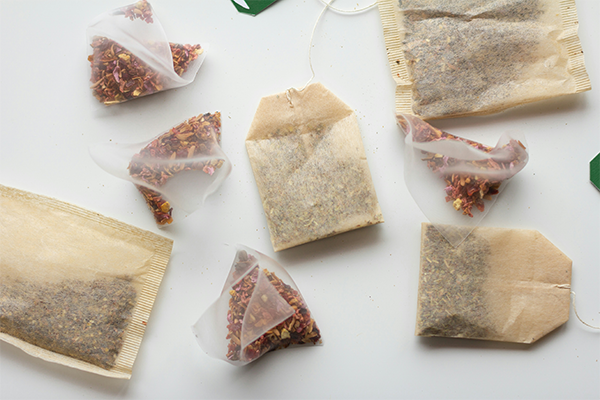
They’re caffeine-free blends made from dried fruits, herbs, flowers and spices, offering plenty of flavour without using tea leaves.
2Why choose fruit and herbal teas?
A comforting way to enjoy a hot drink, they help you stay hydrated and are easy to sip and enjoy at any time of day.
3Which blends are most popular?
Chamomile, peppermint and ginger are firm favourites, each loved for their unique flavour and naturally soothing feel.
If you’re a tea lover looking to reduce caffeine, fruit and herbal teas could be just the thing. From gentle florals to warming, spicy roots, these blends offer plenty of variety – making it easy to find something that suits your taste and routine, while helping you stay hydrated along the way.
Is there a difference between herbal tea and tea?
Yes – and it’s simpler than it sounds. Traditional tea is made from the leaves of the Camellia sinensis plant, which includes black, green, white and oolong teas and usually contains some caffeine. Herbal and fruit teas, on the other hand, are made from dried fruits, herbs, flowers and spices. As they don’t contain tea leaves, they’re naturally caffeine-free, making them a popular choice for evenings or for anyone looking to reduce their caffeine intake.
The potential benefits of drinking herbal and fruit tea
Staying hydrated plays an important role in supporting overall health – and it doesn’t have to mean drinking plain water all day. Fruit and herbal teas count towards your daily fluid intake, making hydration a little more enjoyable.1 Alongside water, drinks like fruit and herbal teas and diluted cordials can all help you sip your way to your daily hydration goals.1 Choosing flavours you enjoy can make it easier to sip little and often throughout the day.
Here are some popular choices and why people love them...
Chamomile tea
Chamomile tea is a classic bedtime favourite, known for its gentle, floral flavour. The chamomile flower contains a natural compound called apigenin, which may help support relaxation and feelings of sleepiness.2 If you’re new to chamomile, try enjoying a cup as part of your evening wind-down routine and see how it makes you feel.
Peppermint tea
Peppermint tea can be made using fresh mint leaves or a teabag, releasing aromatic oils as it steeps. Peppermint tea is a refreshing, cooling drink that many people enjoy after eating, as peppermint oil has been studied for digestive discomfort such as bloating.3
Ginger tea
Ginger tea has a warming, spicy flavour that makes it especially comforting on colder days. You can brew it using fresh ginger or opt for a ready-made teabag, adding lemon or honey if you like a little sweetness. It also has a long history of use in relation to digestion and has been widely studied for digestive comfort.4
Green tea
Green tea comes from the leaves of the tea plant and does contain caffeine, although usually less than black tea or coffee. It’s often chosen for its light, fresh flavour and naturally occurring antioxidants. If you’re sensitive to caffeine, try drinking it earlier in the day.⁶
Herbal tea FAQs
Most herbal teas are gentle but if you’re pregnant, breastfeeding or taking medication, it’s best to check ingredients or speak to a healthcare professional.
Herbal teas can be a healthy addition to your day. They’re caffeine-free, support hydration and offer a comforting way to pause and unwind.
The final say
Whether you’re winding down in the evening or looking for a comforting alternative to your usual cuppa, fruit and herbal teas are a delicious way to hydrate, relax and enjoy a moment of calm. With so many flavours to explore, it’s easy to find one – or a few – that you’ll come back to again and again. Looking for some tea-spiration? Check out our A-Z list of different types of tea or find your perfect snooze-inducing, pre-bedtime cuppa in our round-up of the best evening teas.
Disclaimer – This article provides informational advice and is not a substitute for medical care. Working with experts for accuracy, we take great care to ensure the information is up-to-date and relevant. However, you should always consult your GP or healthcare professional before using supplements or alternative products, particularly if you have medical conditions or are under supervision
1. NHS Inform. Hydration | NHS inform [Internet]. Nhsinform.scot. 2019. Available from: https://www.nhsinform.scot/campaigns/hydration
2. Sogand Saadatmand, Foad Zohroudi, Hadith Tangestani. The Effect of Oral Chamomile on Anxiety: A Systematic Review of Clinical Trials. Clinical nutrition research. 2024 Jan 1;13(2):139–9.
3. McKay DL, Blumberg JB. A review of the bioactivity and potential health benefits of peppermint tea (Mentha piperita L.). Phytother Res. 2006;20(8):619–33.
4. Anh NH, Kim SJ, Long NP, Min JE, Yoon YC, Lee EG, et al. Ginger on Human Health: A Comprehensive Systematic Review of 109 Randomized Controlled Trials. Nutrients. 2020 Jan 1;12(1):157.
5. Alharbi AE, AlHussaini AM, Alshami I. A Comprehensive Review of the Antimicrobial Effects of Hibiscus Species. Cureus. 2024 Nov 5;
6. Dehzad MJ, Hamid Ghalandari, Nouri M, Maede Makhtoomi, Moein Askarpour. Effects of green tea supplementation on antioxidant status and inflammatory markers in adults: a grade-assessed systematic review and dose-response meta-analysis of randomised controlled trials. Journal of Nutritional Science [Internet]. 2025 Jan 1;14. Available from: https://pmc.ncbi.nlm.nih.gov/articles/PMC11950708/
Related to this article


