 Track an order
 Buy It Again
 Favourites
 Manage account
 Rewards
 Subscriptions
 Find a store
 Help centre


Summary
1What can anxiety feel like?
It’s sometimes obvious – a feeling of fear or trouble relaxing. But it can also present as physical symptoms like nausea or heart palpitations.
2How to calm anxiety in the moment
Worries creeping in? Try some of the tips below (like breathwork, grounding techniques and gentle movement) to help reduce anxiety.
3When should I seek help for anxiety?
You should speak to a GP if your anxiety makes it difficult to do everyday activities or makes you feel hopeless.
You’re breathing fast and your thoughts are spiralling out of control... sound familiar? Anxiety is the body’s natural response to stress and most people will experience it occasionally. However, it can start becoming a problem when it affects your day-to-day life. GP Dr Kate Smith is on hand to explain why anxiety happens, how you can get professional support and the techniques you can try to calm anxiety when it arises.
“It’s normal to feel anxious when you’re under stress or in danger and your body has evolved a ‘fight, flight or freeze’ response to help you get ready to act,” explains Dr Smith. “Your heart beats faster, you breathe quicker and your muscles tense. However, some people with anxiety problems get stuck in a ‘fight or flight’ response and feel anxious a lot of the time, even when there’s no obvious threat. This can impact their daily life and be difficult to keep under control.”1 Understanding this cycle helps teach your body and mind that there’s no immediate threat and you can learn to develop skills that keep extreme anxiety at bay. Here’s how...
What can anxiety feel like?
Anxiety is sometimes obvious – a feeling of worry, fear or dread. But other times it’s trickier to pinpoint and you might have to look out for physical symptoms or changes in your behaviour.
Mental symptoms of anxiety can include feeling nervous and unable to relax, trouble sleeping, feeling more emotional than usual and not being able to stop or control your anxious thoughts 2
Physical symptoms of anxiety might include being more aware of your heartbeat than usual (heart palpitations), having a feeling of tightness in your chest, breathing faster than usual, sweating or feeling tired, sick, shaky or light-headed 2
Behavioural symptoms of anxiety could involve feeling too overwhelmed to carry out your usual activities, repeatedly checking things or needing more reassurance than usual. You might also have trouble concentrating or find yourself putting things off, even if you want to do them – this might include things like doing work, speaking to friends, going out or taking care of yourself. It might also be difficult to relax, either because you’re struggling to control anxious thoughts or because you feel like you should be doing something ‘more useful’ 2
These symptoms aren’t exclusive to anxiety and might be down to other physical or psychological conditions, so it’s always a good idea to speak to your GP if you’re experiencing any of the above.

How to calm anxiety in the moment
Worries creeping in? Try some of the below to help reduce anxiety fast...
Step away to a quiet space
Busy spaces might contribute to feelings of overwhelm, as your nervous system can sometimes interpret them as a threat. If your anxiety’s ramping up in a crowded place, try moving to somewhere quieter for a few minutes. Take some deep breaths and drink some water to help calm your nervous system.
Get your body moving
Exercise might feel like the last thing on your mind – in fact, curling up likely feels much more natural at that moment. But just a short stroll, a burst of running or even a quick body shake might help jog your body out of ‘fight or flight’ mode. Exercise can help distract your mind from anxious thoughts, plus it releases mood-boosting chemicals like endorphins that can help you feel good.3,4 If you’re experiencing physical symptoms like feeling sick or breathing fast, don’t overdo your movement, but don’t let it stop you either.
Play into your senses
Some people find a gentle sensory reset helps pull them out of an anxious spiral – splashing cool water on your wrists, eating something crunchy or smelling a calming scent like citrus or lavender can all help shift your focus. Alternatively, you might be feeling burnt out and in need of gentle sensory support. This may help you feel safe and comfortable, which may in turn help your nervous system to wind down. Try playing white noise or calming music, wearing soft clothes, using fidget toys or applying deep pressure from a weighted blanket or thick jumper.5
Try breathwork...
Breathing is such a natural process that most of the time we do it without being aware. However, in times of stress, breathing can become rapid and shallow and add to feelings of anxiety. Taking time to learn about different types of breaths and practising simple breathing exercises for anxiety may help you ease anxiety when it crops up. “As well as treatment options such as medication and talking therapy, some people find breathwork and grounding techniques for anxiety helpful,” says Dr Smith. “Breathwork may be an effective tool for anxiety by helping regulate your nervous system and making you feel safe again.”
“It’s thought that slow, deep breathing such as box breathing can help to calm your ‘fight or flight’ response by telling your brain everything is OK and instead puts your body in ‘rest and digest’ mode, as well as stimulating brain waves linked to relaxation. In this mode, your heart rate and breathing become steadier and your body relaxes and digests your food.”6
... or other grounding techniques
“Other grounding techniques people may find useful include the 5,4,3,2,1 technique – this uses your senses to focus your mind away from your thoughts. Look for five things you can see, four things you can feel, three things you can hear, two things you can smell and one thing you can taste,” says Dr Smith.7 You could also try listening to a guided meditation – the NHS has some available or you can download a free app like Headspace or Calm.
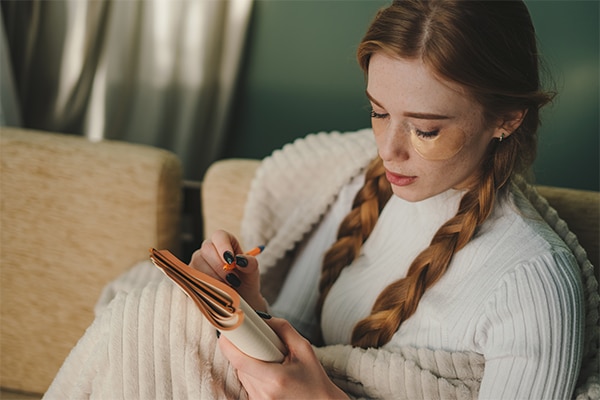
Everyday ways to support anxiety
Combined with the short-term tips, the strategies below may help you develop the skills to manage your anxiety in the long run...
1. Talk to someone
A listening ear can help you feel less alone and a loved one or a therapist might be able to offer a second perspective. Their support may help, but simply hearing your thoughts out loud could be just as useful for processing your emotions and helping you rationalise your fears. Maybe you can’t pinpoint what’s worrying you. In this case, try speaking your physical symptoms out loud: “my chest feels tight”, for example. And if it’s difficult to talk, you could try sending a text or writing your feelings down.
2. Consider professional help
It’s normal to feel anxious from time to time, especially if there’s something stressful going on. But if anxiety’s ruling your life or interrupting your usual routine (like eating, sleeping, working or socialising) it’s a good idea to get professional help. The first step is to see your GP – it might feel daunting, but they’ve seen plenty of people in similar situations and their job is to find you the right support. You can bring a friend or family member if you like. After a chat about your symptoms, they may recommend some next steps – these might include a referral to mental health services for options like counselling, medication, local support groups or therapy.
3. Prioritise caring for yourself
It can be hard to think about looking after yourself when your worries feel overwhelming or you’re always drained. You might even feel like you don’t deserve to be looked after. But a nutritious and balanced diet, good-quality sleep and regular movement can all play a significant role in your overall wellbeing.8,9,10
According to Mind, poor sleep can negatively impact your mental health.11 Most healthy adults need seven to nine hours of sleep per night, so try to bed down early enough to get some proper rest.9 If you struggle to sleep because of racing thoughts, a podcast, some gentle music, white noise or a guided meditation may help you drift off.
When it comes to your diet, there aren’t any specific foods to help deal with anxiety. But getting enough of certain vitamins can contribute to normal energy levels, mood, cognitive function and more. A balanced diet full of fruit and veg, protein, whole grains and ‘healthy’ fats (found in foods like olive oil, avocado and nuts) should provide all the energy and nutrients you need.
Movement might feel particularly difficult when you’re anxious, but it doesn’t have to involve a full workout. Try to go out every day, even if it’s for a 10-minute stroll. Some people find activities such as swimming, walking, dancing or yoga help them to switch off and relax.2 Not only can getting out in nature support your mental wellbeing, but it’ll help you stay connected to the outside world – the more you withdraw from your normal surroundings, the easier it might become to lose your support network or develop unhealthy habits.
4. Try online therapy resources
Even if you’ve already seen a GP, you might have to wait a while for access to therapy. In the meantime, you could try free resources from sites like the NHS or Mind. These are usually done with a therapist, but they’re also available for you to use at home. You might choose to look into:
cognitive behavioural therapy (CBT): this is a type of talking therapy that focuses on changing your thought patterns. It’s frequently used for anxiety disorders, depression, OCD or phobias 12
dialectical behaviour therapy (DBT): this talking therapy is designed to help people manage intense emotions about themselves and the world around them. It was originally developed for people with self-harming behaviours or who experience overwhelming mood changes 13
5. Identify your triggers
Everyone’s anxiety is caused by different things and if you know what your triggers are, you can become closer to managing them. That might mean removing them or finding ways to work on them instead. For example, you might find that caffeine increases your anxiety – in this case, you can switch to decaf options. On the other hand, driving might make you anxious, but it might impact your life to stop. Here, it may be more useful to take small steps towards overcoming your fears.
6. Embrace creativity
Doing something creative can sometimes help you become more present in the moment. It'll probably involve some trial and error, but activities like baking, drawing, gardening, writing, dancing or doing a puzzle might help take your mind off your worries.
How to support someone with anxiety
The most important thing is that you want to help them – many people struggling with anxiety will value your support more than anything specific you can do. That said, here are a few tips to get you started...
Ask them! Everyone is different and will appreciate different types of support
Try not to enable their worries by doing things for them or always providing reassurance when they ask for it, but do be kind and let them know you’re there for them
Help them get support if needed, maybe by attending a doctor’s appointment or helping them research different ways to manage their anxiety
Be patient and validate their feelings. Anxious thought patterns can sometimes feel irrational when you’re not experiencing them, but the emotions your loved one is feeling are very real
Encourage them to do low-pressure activities together like going for a walk and a coffee, and work your way up to more challenging situations together
Check in on them if they’re struggling to get everyday tasks done
Be a listening ear for them – it might help for them to process their thoughts out loud, even if you’re not providing advice
Anxiety FAQs
There are several symptoms of anxiety disorders, both physical and psychological. Common symptoms include not being able to stop worrying, feeling unable to relax, feeling more tired than usual, feeling sick, having heart palpitations or having a feeling of tightness in your chest.2
Dr Smith recommends the ‘5,4,3,2,1’ technique for grounding. “Look for five things you can see, four things you can feel, three things you can hear, two things you can smell and one thing you can taste,” she says.7
You can also try box breathing. Imagine tracing the outline of a square, spending four counts on each side. Breathe in for four as you move across the top, hold for four as you move down one side, breathe out for four across the bottom, then hold for four as you move back up the other side.14
You should speak to a GP if any of the following apply:2
your anxiety makes it difficult to do your everyday activities, like working, sleeping, maintaining relationships or going out
the strategies you’re trying aren’t helping
you feel hopeless, worthless or like you want to harm yourself
You can also call a crisis line like Samaritans on 116 123 – it's a free, 24/7 phone line. You can also text, chat online or see someone face-to-face if you'd prefer not to call.
The final say
Anxiety can be really difficult, especially because it feels so real. While your emotions are valid, your thoughts aren’t always factual and they won’t last forever. Getting support is one of the best things to do if you’re struggling with anxiety, both for managing any underlying issues and for learning strategies to help keep anxious feelings at bay. Alongside speaking to your GP, discover our tips to help you recover from burnout or learn how to rest and reset at home...
Disclaimer – This article provides informational advice and is not a substitute for medical care. Working with experts for accuracy, we take great care to ensure the information is up-to-date and relevant. However, you should always consult your GP or healthcare professional before using supplements or alternative products, particularly if you have medical conditions or are under supervision.
1 Mind. Understanding anxiety [Internet]. Mind [reviewed 2026 Mar; cited 2026 Sep 25]. Available from: https://www.mind.org.uk/information-support/types-of-mental-health-problems/anxiety-problems/understanding-anxiety/
2 NHS. Anxiety, fear and panic [Internet]. NHS [reviewed 2026 Jul 13; cited 2026 Sep 25]. Available from: https://www.nhs.uk/mental-health/feelings-symptoms-behaviours/feelings-and-symptoms/anxiety-fear-panic/
3 NHS Better Health. Be active for your mental health [Internet]. NHS Better Health [cited 2026 Sep 25]. Available from: https://www.nhs.uk/every-mind-matters/mental-wellbeing-tips/be-active-for-your-mental-health/
4 NHS East Basildon. World Mental Health Day [Internet]. NHS East Basildon [reviewed 2025 Jun 27; cited 2026 Sep 25]. Available from: https://www.eastbasildonpcn.nhs.uk/news/world-mental-health-day/
5 Falkirk Council. Making Sense of Sensory Behaviour [Internet]. Falkirk Council [cited 2026 Sep 25]. Available from: https://www.bradfordhospitals.nhs.uk/wp-content/uploads/2023/07/Making-Sense-of-Sensory-Behaviour.pdf
6 LeBouef T, Yaker Z, Whited L. Physiology, Autonomic Nervous System. StatPearls [Internet]. 2023 May 1 [cited 2026 Sep 25]. Available from: https://www.ncbi.nlm.nih.gov/books/NBK538516/
7 NHS Inform. Grounding exercises [Internet]. NHS Inform [reviewed 2025 Dec 9; cited 2026 Sep 25]. Available from: https://www.nhsinform.scot/healthy-living/mental-wellbeing/breathing-and-relaxation-exercises/grounding-exercises/
8 West London NHS Trust. The impact of nutrition on physical and mental health [Internet]. West London NHS Trust [cited 2026 Sep 25]. Available from: https://www.westlondon.nhs.uk/ealing-talking-therapies/move-4-mood/eat-well-feel-well/impact-nutrition-physical-and-mental-health
9 NHS Better Health. Sleep problems [Internet]. NHS Better Health [cited 2026 Sep 25]. Available from: https://www.nhs.uk/every-mind-matters/mental-health-issues/sleep/
10 NHS Better Health. Be active for your mental health [Internet]. NHS Better Health [cited 2026 Sep 25]. Available from:https://www.nhs.uk/every-mind-matters/mental-wellbeing-tips/be-active-for-your-mental-health/
11 Mind. Sleep and mental health [Internet]. Mind [reviewed 2024 Dec; cited 2026 Sep 25]. Available from: https://www.mind.org.uk/information-support/types-of-mental-health-problems/sleep-problems/sleep-and-mental-health/
12 NHS. Cognitive behavioural therapy (CBT) [Internet]. NHS [reviewed 2025 Mar 28; cited 2026 Sep 25]. Available from: https://www.nhs.uk/tests-and-treatments/cognitive-behavioural-therapy-cbt/
13 NHS Avon and Wiltshire Mental Health Partnership. Dialectical Behaviour Therapy (DBT) [Internet]. NHS Avon and Wiltshire Mental Health Partnership [reviewed 2025 Aug 28; cited 2026 Sep 25]. Available from: https://www.awp.nhs.uk/patients-and-carers/leaflets-and-resources/patient-and-carer-information-leaflets/conditions-and-treatments/dialectical-behaviour-therapy-dbt
14 NHS Sherwood Forest Hospitals. Breathing Exercises [Internet]. NHS Sherwood Forest Hospitals [cited 2026 Sep 25]. Available from: https://www.sfh-tr.nhs.uk/media/o3fpizwx/breathing-exercises-leaflet.pdf


