What are the best sources of vitamin D? Sunlight, supplements and more

Written byJodi M Johnson

Reviewed byPatille Joy Madaghjian
Ever wondered why a sunny day leaves you feeling that little bit brighter? Vitamin D could be one of the reasons. From sunshine to supplements, here's how to get your daily dose
Our top picks
100μg of vitamin D3
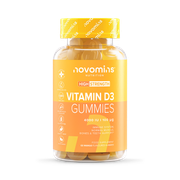
Novomins
Novomins Vitamin D3 4000IU Mango Flavoured 60 Gummies
3 For 2 Mix & Match
£19.99
25μg of vitamin D3
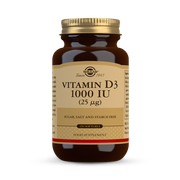
Solgar
Solgar Vitamin D3 1000 Iu (25 µg) 250 Softgels
Save up to 1/2 price
£18.90
RRP £23.63
75μg of vitamin K
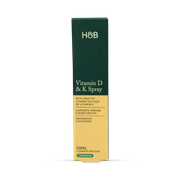
Holland & Barrett
Holland & Barrett K2 And Vit D Spray Peppermint Flavour 10ml
3 For 2 Mix & Match
£9.19
Vitamin D does more than help keep your bones healthy. It also supports healthy muscles and contributes to the normal function of your immune system.1,2 But are you getting enough? In the UK, everyone over the age of one is recommended to get 10 micrograms (μg) (400 IU) of vitamin D each day to maintain good health.2 Long-term vitamin D deficiency can increase the risk of conditions such as rickets in children, as well as bone pain, muscle weakness and fractures in adults.3,4 The good news? Getting enough vitamin D is easier than you might think.
Is sunlight the best source of vitamin D?
It makes sense to assume that, like most other essential nutrients, we’d be able to get our vitamin D from the food we eat. But vitamin D works a little differently. Most of your vitamin D is actually made from exposing of your skin to sunlight.5,6 This is because your skin absorbs ultraviolet (UV) rays, which allows your body to naturally produce vitamin D.6,7 Despite this, many people in the UK don’t get enough vitamin D. According to 2022 government data, around one in six adults and almost one in five children in the UK are vitamin D deficient.3
Experts suggest that just five to 30 minutes of sun exposure to your face, arms, hands and legs between 10am and 4pm each day is enough for your body to make the daily vitamin D it needs.1 So, make the most of sunny spells when you can, but don’t forget to protect your skin when going outside – always apply sunscreen when heading outdoors.5,8
What are some good vitamin D food sources?
Throughout autumn and winter, your body starts to rely on the vitamin D it stored during the sunnier months.5 However, these stores alone aren’t enough to provide you with enough vitamin D you need until spring. That’s why, between October to late March, it’s important to get vitamin D from other sources, such as eating more vitamin D-rich foods and taking a daily vitamin D supplement.2,5 Foods that contain vitamin D include:1,2,5
- oily, fatty fish, like salmon, sardines, trout, herrings and kippers
- red meat, in particular beef liver
- eggs, particularly the yolks canned tuna
Some foods naturally contain more vitamin D than others. Here's how much vitamin D you can expect to get from a typical serving:1
- trout – 16.2μg
- salmon – 14.2μg
- sardines – 1.2μg
- egg (whole) – 1.1μg
- beef liver – 1μg
- canned tuna – 1μg
Oily fish are among the richest natural sources of vitamin D. If fish isn’t on the menu, or you don’t enjoy eating it, you could consider taking cod liver oil instead. One tablespoon provides around 34μg of vitamin D, while some cod liver tablets and capsules may provide even more.1
Although vitamin D-rich foods can help increase your intake, it can be difficult to get enough from diet alone. Spending time outdoors and taking a daily supplement during the autumn and winter months are the best ways to help you get enough vitamin D.8,9 Just remember to only take one vitamin D supplement at a time to avoid getting too much. If you're unsure what's right for you, speak to your GP before starting a new supplement.
What vegan sources of vitamin D are there?
If you follow a vegan diet, getting enough vitamin D from food can be a little more challenging as many of the main food sources of vitamin D aren’t suitable for vegans. The good news is there are still plenty of plant-based options, including several types of mushrooms and fortified products such as certain cereals, plant-based milks and margarines.1,9,10 The amount of vitamin D in mushrooms can vary depending on the variety, ranging from between 4.07–9.37μg per 100g portion.10
Our top vitamin D supplements
If you’re unable to get all your vitamin D from the sun and your diet, you can easily and effectively support your levels or daily intake with a vitamin D supplement to reach the recommended 10μg a day.2 There’s no good or bad vitamin D supplement, but with a range of supplements available you can find a format that works best for you – whether that’s capsules, tablets, gummies or sprays.
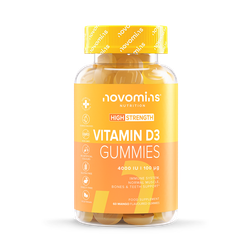
These Novomins vitamin D3 gummies are a delicious, high-strength way to support your health. Each juicy mango-flavoured gummy is packed with an impressive 4000IU of vitamin D3. They’re a tasty way to support your vit D levels, whatever the weather.
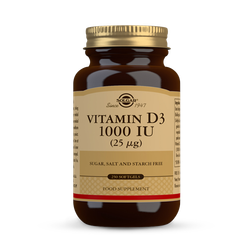
Looking for an easy way to contribute to your vitamin D intake? Each Solgar® softgel provides 25μg (1000 IU) of vitamin D3. With 250 softgels per bottle, simply take one daily, preferably with a meal, to help support your vitamin D levels.
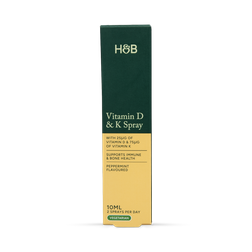
Looking after your wellness just got a little more refreshing. This peppermint-flavoured vitamin spray combines vitamins D and K in one simple spritz. Vitamin K works alongside vit D to maintain healthy bones – together, they make a dynamic duo for everyday support.11 Just spray twice daily into your mouth for a quick, refreshing alternative to capsules or tablets.
Vitamin D sources FAQs
Oily fish such as salmon, trout, herring, mackerel and sardines are among the richest natural food sources of vitamin D.2 Other sources include egg yolks, liver, red meat and some fortified foods such as breakfast cereals and fat spreads.2
It can be difficult to get enough vitamin D from food alone because only a small number of foods naturally contain vitamin D.1 Many people may need to rely on sunlight exposure and vitamin D supplements to help meet their daily needs.1
The final say
No matter the season, getting enough vitamin D doesn't have to be complicated. Spending time outdoors safely, including vitamin D-rich foods in your diet and taking a daily supplement during the autumn and winter months can all help you meet the recommended intake. Worried about a vitamin D deficiency? Learn the signs of low vitamin D and who's most at risk or learn why vitamin D is crucial for over 65s.
Disclaimer – This article provides informational advice and is not a substitute for medical care. Curated by experts for accuracy, we take great care to ensure the information is up-to-date and relevant. However, you should always consult your GP or healthcare professional before using supplements or alternative products, particularly if you have medical conditions or are under supervision.
1. National Institutes of Health. Vitamin D [Internet]. [cited 2024 May 15]. Available from: https://ods.od.nih.gov/factsheets/VitaminD-HealthProfessional/
2. NHS. Vitamin D [Internet]. [cited 2024 May 15]. Available from: https://www.nhs.uk/conditions/vitamins-and-minerals/vitamin-d/]
3. GOV.UK. New review launched into vitamin D intake to help tackle health disparities [Internet]. [cited 2024 May 15]. Available from: https://www.gov.uk/government/news/new-review-launched-into-vitamin-d-intake-to-help-tackle-health-disparities
4. MSD Manual. Vitamin D Deficiency [Internet]. [cited 2024 May 15]. Available from: https://www.msdmanuals.com/en-gb/home/disorders-of-nutrition/vitamins/vitamin-d-deficiency
5. The Association of UK Dieticians. Vitamin D [Internet]. [cited 2024 May 15]. Available from: https://www.bda.uk.com/resource/vitamin-d.html
6. Wacker M, Holick MF. Sunlight and vitamin D. Dermatoendocrinol. 2013;5(1):51–108. https://doi.org/10.4161/derm.24494
7. Srivastava SB. Vitamin D: Do we need more than sunshine? Am J Lifestyle Med. 2021;15(4):397–401. https://doi.org/10.1177/15598276211005689
8. Better Health Channel. Vitamin D [Internet]. [cited 2024 May 15]. Available from: https://www.betterhealth.vic.gov.au/health/healthyliving/vitamin-d
9. British Heart Foundation. Which foods are high in vitamin D? [Internet]. [cited 2024 May 15]. Available from: https://www.bhf.org.uk/informationsupport/heart-matters-magazine/nutrition/ask-the-expert/foods-high-in-vitamin-d
10. Viva! Vitamin D [Internet]. [cited 2024 May 15]. Available from: https://viva.org.uk/health/vitamin-d/
11. Naeem Z. Vitamin D deficiency – an ignored epidemic. Int J Health Sci (Qassim). 2010 Jan;4(1):V–VI. PMID: 21475519; PMCID: PMC3068797. Available from: https://www.ncbi.nlm.nih.gov/pmc/articles/PMC5613455/
Related to this article