 Track an order
 Buy It Again
 Favourites
 Manage account
 Rewards
 Subscriptions
 Find a store
 Help centre
How to maintain weight after weight loss: healthy habits that last

Written byMillicent Chapman

Reviewed byHeeral Tomlinson

Summary
1Returning appetite
Feeling hungrier after weight loss is common. Balanced, satisfying meals can help you manage your appetite and maintain your weight.
2Protein and muscle
Protein remains important after weight loss, helping preserve muscle mass. Include a variety of protein-rich foods to meet your needs.
3Habits that last
Balanced meals and regular strength exercise can support your health and help you maintain your weight long term.
Reaching a weight that feels right for you is a big milestone, but what comes afterwards can take some adjustment. You might notice your appetite changing or find yourself thinking differently about food and exercise. From getting enough protein and building balanced meals to staying active and supporting your nutritional needs, there are plenty of ways to make this next phase feel manageable.
What is the maintenance phase of weight loss?
Weight maintenance is about shifting from actively losing weight to keeping your weight relatively stable over time. That can feel like a change of gear: you may need to adapt some of the eating and activity habits you followed while losing weight and find a balance that works for everyday life.
Body mass index (BMI) is one way to put weight in context, but it doesn’t tell the whole story. Your waist measurement, body composition, lifestyle and overall health can all matter too, and BMI may need to be interpreted differently depending on factors such as your ethnic background, age and muscle mass.2 And maintenance doesn’t mean getting everything right every day. It’s about finding realistic, sustainable habits you can return to – even when life gets busy or your routine changes.
Why your appetite may change during weight maintenance
Weight loss is typically achieved by creating a calorie deficit, where you consume fewer calories than your body uses.3 This encourages your body to draw on its stored energy, leading to weight loss over time. But you might find that you feel hungrier as you move into maintenance – and that's common. Your appetite is influenced by several things, including hormones, changes to your eating routine, sleep quality and stress levels.4
You might also be wondering, “how many calories do I need in a day?” There’s no single number that works for everyone, as your energy needs depend on factors such as your age, sex, body size and activity levels. As you move into maintenance, the aim is generally to balance the energy you consume with the energy your body uses.
One of the hormones involved in appetite is ghrelin, often called the “hunger hormone”. It's produced in your stomach and signals to your brain that it's time to eat, increasing feelings of hunger.5 Learning how to respond to these changes in appetite is an important part of keeping the weight off. Aim for balanced, satisfying meals while avoiding a calorie surplus, where you consume more calories than your body needs.6 Getting to know your hunger cues and finding eating habits that work for you can help you maintain your weight loss.
Why protein is important for maintaining muscle
Protein is an essential macronutrient, which means your body needs it in relatively large amounts.7 It's particularly important during weight maintenance because it can help preserve lean muscle mass and support appetite regulation.8
Research shows that getting enough protein during and after weight loss can help reduce the loss of lean muscle mass.9 Protein is also one of the most satiating macronutrients, so it can help you feel fuller for longer.10 This is partly because it takes longer to digest than carbohydrates and stimulates hormones involved in regulating your appetite.10
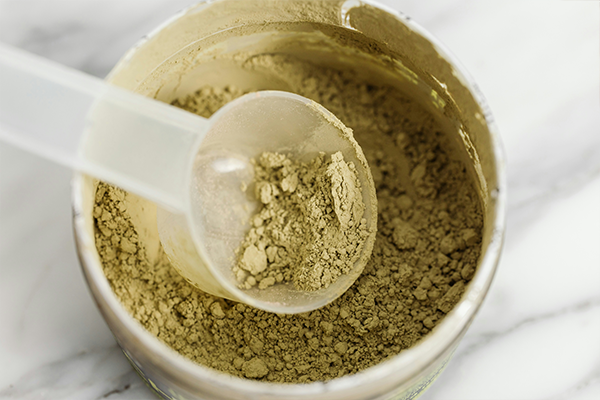
For most healthy adults, the recommended protein requirement is 0.75 g per kilogram of body weight per day.7 So, for a 70 kg adult, that's around 52.5 g of protein a day. Eggs on wholegrain toast for breakfast, a chickpea and quinoa salad for lunch, Greek yoghurt as a snack and a vegetable and tofu stir-fry for dinner would provide around 58 g across the day.
Your individual needs can vary depending on factors such as your age, activity level and health goals.7 To support your body in making muscle protein, try spreading your protein intake across the day, including a good source at each main meal and protein-rich snacks if needed.11
Why strength training matters after weight loss
Strength and flexibility exercises can help preserve muscle strength, support healthy bones and joints, and improve your balance, flexibility and overall mobility after weight loss.12 Without regular strength-based exercise, muscle mass can gradually decline, which may affect your strength, physical function and long-term health.13 Research suggests that maintaining lean muscle mass supports physical performance and may help reduce the risk of conditions such as obesity, type 2 diabetes and age-related muscle loss (sarcopenia).14
Strength training can form part of a wider active lifestyle as you move into weight maintenance, alongside other types of movement you enjoy. Staying physically active can offer wider health benefits too, so focus on building a routine that feels realistic and sustainable.
What you eat matters too. Pairing strength training with a balanced diet that provides enough protein supports muscle recovery and helps maintain and build lean muscle mass over time.9
Building balanced meals for weight maintenance
You don't need to reinvent the way you eat when you move into maintenance. A simple way to build a balanced plate is to include complex carbohydrates, protein, healthy fats and at least one portion of fruit or vegetables at each meal.15 For example, grilled chicken with brown rice, roasted vegetables and avocado ticks all four boxes. The important thing is finding balanced meals that you enjoy and that work with your everyday routine.
Complex carbohydrates, such as wholegrains, provide a steady source of energy because they're digested more slowly than refined carbohydrates.16 They’re also naturally rich in fibre and contain B vitamins, including thiamin, riboflavin, niacin, vitamin B6 and biotin, which contribute to normal energy-yielding metabolism.16
Fibre can help you feel fuller for longer.17 UK guidance recommends that adults aim for 30 g a day as part of a healthy, balanced diet.18 Think wholegrains, fruit, vegetables, pulses, nuts and seeds – including a variety can help you reach your daily target. Find more simple ways to add high-fibre foods to your diet.
Protein can help preserve muscle mass and help you feel fuller for longer7, while foods such as nuts and seeds, avocado and olive oil can provide unsaturated fats as part of a balanced diet.19 Fruit and vegetables add more fibre, as well as a wide range of vitamins, minerals and plant compounds (like polyphenols) that support overall health and wellbeing.
Do you need supplements after weight loss?
A varied, balanced diet should be your main source of vitamins and minerals, but there may be times when it's difficult to get enough of certain nutrients from food alone.20 This can be particularly relevant if you follow a specific diet. For example, people following a vegan diet may find it difficult to meet their vitamin B12 needs through food alone, meaning a vitamin B12 supplement could be beneficial.
The omega-3 fatty acids EPA and DHA support normal heart function, while DHA also supports normal brain function.21 You’ll find EPA and DHA in oily fish such as salmon and mackerel.21 If these foods don’t feature regularly in your diet, you could consider an omega-3 supplement.
You might also be thinking about collagen supplements. While there are no authorised health claims for collagen itself, vitamin C contributes to normal collagen formation for the normal function of your skin, cartilage and bones.22,23 You can find vitamin C in everyday foods such as peppers, citrus fruits, strawberries and broccoli.
A multivitamin can be a convenient way to complement your diet with a broad range of vitamins and minerals, although it shouldn't replace a healthy diet. If you're thinking about starting a new supplement, speak to a healthcare professional first, particularly if you have an underlying health condition, are pregnant or breastfeeding, or take prescribed medication.
FAQs about weight maintenance
Yes. It's common for your appetite to increase after weight loss as your body adapts to changes in body weight and energy intake. Hormones involved in appetite regulation, such as ghrelin, can increase feelings of hunger. This is a normal physiological response and doesn't mean you've done anything wrong. Choosing balanced meals that include protein, fibre and unsaturated fats can help you maintain a balanced diet while managing your weight.4,5
For most healthy adults, the recommended daily intake is around 0.75 g of protein per kilogram of body weight.7 However, your individual needs can vary depending on factors such as your age and activity levels. Want a figure that’s more tailored to you? Try our protein calculator to find out how much protein you should aim for each day.
Yes. Small day-to-day changes in body weight are completely normal and are often caused by changes in hydration, salt intake, hormones, digestion and glycogen stores rather than changes in body fat.24 Instead of focusing on daily fluctuations, look at longer-term trends and continue following healthy eating and lifestyle habits.
The final say
Keeping the weight off doesn't mean getting everything right every day. Focus on habits that feel realistic for you – whether that's eating balanced meals, getting enough protein, moving regularly or having some lower-calorie snacks on hand for when hunger strikes.
Small changes in your weight are a normal part of life, so aim for consistency rather than perfection. And if you're curious about what else might play a role, read what an expert has to say about foods that may support your metabolism.
Disclaimer – This article provides informational advice and is not a substitute for medical care. Working with experts for accuracy, we take great care to ensure the information is up-to-date and relevant. However, you should always consult your GP or healthcare professional before using supplements or alternative products, particularly if you have medical conditions or are under supervision.
1 World Health Organization. Obesity Internet. World Health Organization. 2025. Available from: https://www.who.int/health-topics/obesity#tab=tab_1
2 NHS. Calculate Your Body Mass Index (BMI) - NHS Internet. nhs.uk. 2023 Nov. Available from: https://www.nhs.uk/health-assessment-tools/calculate-your-body-mass-index/
3 NHS. Calorie counting - better health Internet. nhs.uk. 2022 Dec. Available from: https://www.nhs.uk/better-health/lose-weight/calorie-counting/
4 DeBenedictis JN, Nymo S, Ollestad KH, Boyesen GA, Rehfeld JF, Holst JJ, et al. Changes in the homeostatic appetite system after weight loss reflect a normalization toward a lower body weight. The Journal of Clinical Endocrinology and Metabolism Internet. 2020 Apr 17;105(7):e2538–46. Available from: https://www.ncbi.nlm.nih.gov/pmc/articles/PMC7250208/
5 Pradhan G, Samson SL, Sun Y. Ghrelin. Current Opinion in Clinical Nutrition and Metabolic Care Internet. 2013 Nov;16(6):619–24. Available from: https://www.ncbi.nlm.nih.gov/pmc/articles/PMC4049314/
6 LEAF A, ANTONIO J. The effects of overfeeding on body composition: The role of macronutrient composition – A narrative review. International Journal of Exercise Science Internet. 2017 Dec;10(8):1275. Available from: https://pmc.ncbi.nlm.nih.gov/articles/PMC5786199/
7 British Nutrition Foundation. Protein Internet. British Nutrition Foundation. 2023 Oct. Available from: https://www.nutrition.org.uk/nutritional-information/protein/
8 Kokura Y, Ueshima J, Saino Y, Maeda K. Enhanced protein intake on maintaining muscle mass, strength, and physical function in adults with overweight/obesity: A systematic review and meta-analysis. Clinical Nutrition ESPEN. 2024 Oct;63:417–26.
9 Cava E, Yeat NC, Mittendorfer B. Preserving healthy muscle during weight loss. Advances in Nutrition: an International Review Journal Internet. 2017 May;8(3):511–9. Available from: https://pmc.ncbi.nlm.nih.gov/articles/PMC5421125/
10 Westerterp-Plantenga MS, Lemmens SG, Westerterp KR. Dietary protein – its role in satiety, energetics, weight loss and health. British Journal of Nutrition. 2012 Aug;108(S2):S105–12.
11 Parker T. Protein Internet. Bhf.org.uk. British Heart Foundation; 2018 Apr. Available from: https://www.bhf.org.uk/informationsupport/heart-matters-magazine/nutrition/protein
12 NHS. Exercise Internet. NHS. 2019. Available from: https://www.nhs.uk/live-well/exercise/how-to-improve-strength-flexibility/
13 Bellicha A, Baak MA, Battista F, Beaulieu K, Blundell JE, Busetto L, et al. Effect of exercise training on weight loss, body composition changes, and weight maintenance in adults with overweight or obesity: An overview of 12 systematic reviews and 149 studies. Obesity Reviews Internet. 2021 May 6;22(S4). Available from: https://www.ncbi.nlm.nih.gov/pmc/articles/PMC8365736/
14 Lin D, Zhang L, Huang C, Shao W. Skeletal muscle metabolism in health and disease: Mechanisms, interventions, and clinical perspectives. iScience. 2026 Feb;115024.
15 NHS. The eatwell guide Internet. NHS. 2022. Available from: https://www.nhs.uk/live-well/eat-well/food-guidelines-and-food-labels/the-eatwell-guide/
16 BDA. Carbohydrates Internet. www.bda.uk.com. 2022 Jan. Available from: https://www.bda.uk.com/resource/carbohydrates.html
17 Centers for Disease Control and Prevention. Fiber: the carb that helps you manage diabetes Internet. Atlanta (GA): CDC; 2024 May 15 cited 2026 Sep 22. Available from: https://www.cdc.gov/diabetes/healthy-eating/fiber-helps-diabetes.html
18 British Dietetic Association. Fibre Internet. British Dietetic Association. 2021 Apr. Available from: https://www.bda.uk.com/resource/fibre.html
19 British Dietetic Association. Fat Internet. www.bda.uk.com. 2022 Jan. Available from: https://www.bda.uk.com/resource/fat.html
20 British Nutrition Foundation. Vitamins and minerals - nutritional information Internet. British Nutrition Foundation. 2023 Oct. Available from: https://www.nutrition.org.uk/nutritional-information/vitamins-and-minerals/
21 British Dietetic Association (BDA). Omega-3 Internet. www.bda.uk.com. 2017. Available from: https://www.bda.uk.com/resource/omega-3.html
22 Al-Atif H. Collagen supplements for aging and wrinkles: A paradigm shift in the field of dermatology and cosmetics. Dermatology Practical & Conceptual Internet. 2022 Feb 2;12(1):e2022018. Available from: https://www.ncbi.nlm.nih.gov/pmc/articles/PMC8824545/
23 Martínez-Puig D, Costa-Larrión E, Rubio-Rodríguez N, Gálvez-Martín P. Collagen supplementation for joint health: The link between composition and scientific knowledge. Nutrients Internet. 2023 Jan 1;15(6):1332. Available from: https://www.mdpi.com/2072-6643/15/6/1332
24 Hall KD. Predicting metabolic adaptation, body weight change, and energy intake in humans. American Journal of Physiology-Endocrinology and Metabolism. 2010 Mar;298(3):E449–66.


