 Track an order
 Buy It Again
 Favourites
 Manage account
 Rewards
 Subscriptions
 Find a store
 Help centre
13 simple ways to nourish your body in 2026

Written byAnnabel Francis

Reviewed byH&B Regulatory Affairs

Wellness doesn’t have to be hard. From smarter sips to easy food upgrades, these 13 simple habits help you nourish your body in 2026 – just small changes that make a real difference
Summary
1Support your gut and energy
Think of your gut like a garden – it loves variety. Yet more than four in five of us miss our 5-a-day and even fewer eat the 30+ plant...
2Fuel your recovery
Recovery isn’t just about your cooldown stretches after exercise – what you choose to eat to support your muscles matters too...
3Smarter snacks, steadier energy
We all love a mid-afternoon snack, but have you ever wondered why that ‘treat’ leaves you hungry again? High-sugar, low-fibre...
Sometimes the simplest shifts deliver the biggest wellbeing wins. Whether you want to boost iron, hit your protein goals or support your gut, these 13 habits fit easily into everyday life – no full routine overhaul required.
1. Effortlessly increase your fibre without even trying – chia to the rescue
Most of us think we eat enough fibre, but 96% of UK adults consume less than recommended1. Luckily, increasing your intake doesn’t require you to change your diet completely. Enter chia seeds: tiny, mighty, and your fibre BFF. Just one tablespoon contains around 12g of fibre – a huge head start. Soak them into your overnight oats, stir into porridge or blitz into your morning smoothie and you’re already a third of the way to your daily target.
Try this: Keep a bag of chia seeds in your cupboard and add a spoonful to your overnight oats, porridge or yoghurt.
2. Drink and sip
Your body asks for water well before thirst kicks in – you just might miss the signs. Small changes to your routine, like longer workdays or different weekend habits, can mean you drink less without realising. But did you know that drinking at least two litres of water (including from food sources) supports physical and cognitive function?
Make sure you keep a drink within reach and take regular sips throughout the day, aiming for six to eight cups a day – water, tea and milk all count. If drinking regularly doesn’t come naturally, five easy ways to drink more water can help you build better hydration habits.
Top tip: Keep electrolyte sachets in your bag or desk – they help support mineral intake and are refreshingly tasty.
3. Feed your brain the fats it loves
Your brain is mostly fat – and it loves the right kind. Omega-3s support normal brain function, yet over 80% of the UK population don't meet the recommended intake of one portion of oily fish per week2. And while it’s easy to overlook healthy fats when you’re focused on protein or cutting back on sugar, small additions can make a difference. Try adding oily fish twice a week: smoked salmon tossed into a grain bowl, tinned tuna stirred through pasta, or mackerel on toast. Understanding how much omega-3 you need can help you make the most of these additions.
Fishing for more? An
omega-3 supplement with around 250mg DHA and 250mg EPA can support brain function.
4. Build a happy gut with live cultures
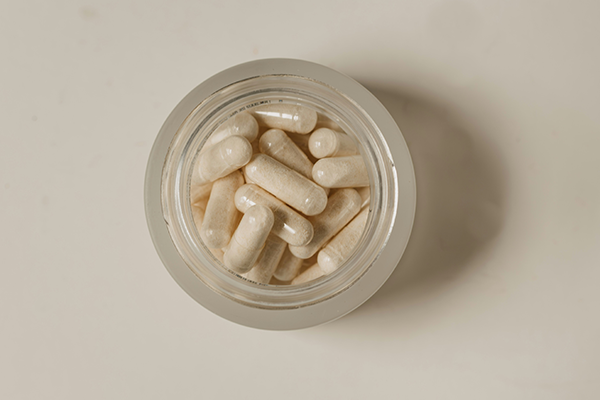
Did you know that one in three adults experience gut issues and bloating? Between busy schedules, everyday stress and grab-and-go meals, your gut deals with a lot behind the scenes – after all, your gut microbiome hosts trillions of bacteria that form a complex ecosystem. If you’re curious about how your gut and brain communicate, you might be surprised by just how closely they’re connected.
What's the difference? Probiotics can replenish good bacteria, whilst prebiotic fibre helps them grow. Looking to add to your routine? Try a gut-loving supplement to support your gut microbiome.
5. Let your gut bloom with plant variety
Think of your gut like a garden – it loves variety. Yet more than four in five of us miss our five-a-day and even fewer eat the 30+ plant foods a week3. Adding variety doesn’t have to be complicated – toss beans into a curry, swap rice for quinoa or chop up a piece of fruit to brighten your bowl. Want an even easier win? Herbs and spices count as a quarter of a Plant Point, meaning even a sprinkle of parsley or garlic helps you build variety fast with almost no effort. If you’re new to Plant Points or want to understand how Plant Points are counted, it’s easier than you might think.
Short on time? Blend a scoop of greens powder into your smoothie for an instant plant boost.
6. Upgrade your daily drink
We often focus more on what we eat than what we drink, which means sugary sips can slip by unnoticed. Over time, drinks like fizzy drinks, sweetened fruit juices and energy drinks can add up.
Top tip: Spill the sugar, not the flavour – keep a mix of herbal teas, lower-sugar drinks and fruit-infused waters on hand so smarter sips feel just as satisfying.
7. Get an early start on your vitamin D
Did you know that around 18% of UK adults have low vitamin D levels?4 And with the UK getting limited sunlight between October and March, it’s no surprise that many of us aren’t getting enough. The good news? Breakfast can be one of the easiest places to start. Two poached eggs provide around 15% of your daily intake, making them a great way to kick off your morning. Pair your eggs with a glass of fortified orange juice or cereal and you could already be halfway to your daily target before the school run or commute.
Consistency counts: A daily 10µg
vitamin D supplement is an easy addition to your morning routine.
8. Choose proteins that are good for you
Protein might have been doing the rounds on TikTok for some time, but here’s what the videos don’t always tell you: we can eat protein from a variety of sources. Protein sources like lean meats, fish, eggs, dairy and soy provide essential amino acids – the building blocks of protein that are important for muscle repair. These amino acids are ‘essential’ because your body can’t produce them, so getting them from your diet is important. Try building your meals around these sources: add eggs to your breakfast plate, toss chicken or tofu into your salads, or layer yoghurt into snacks and desserts.
Need inspo? A tin of tuna holds roughly 20-25g of complete
protein – mix it through pasta or pile it onto toast for an effortless win.
9. The salty surprise in your food
Salt isn’t just something you sprinkle over your chips – it’s hiding in everyday foods far more often than you think. Did you know the UK population's highest salt intakes come from foods such as processed meats, bread and other foods you wouldn't always think of? But lowering your salt intake doesn’t mean giving up the foods you love. Start by checking labels for high salt and choosing lower salt alternatives – a small switch that adds up over time. Why not try baking your own lower-salt loaf using this daily bread recipe?
Swap in: Unsalted oatcakes, rice cakes, unsalted seaweed crisps or crispbreads –
options typically lower in salt than some breads and crisps.
10. Choose fibre-rich favourites
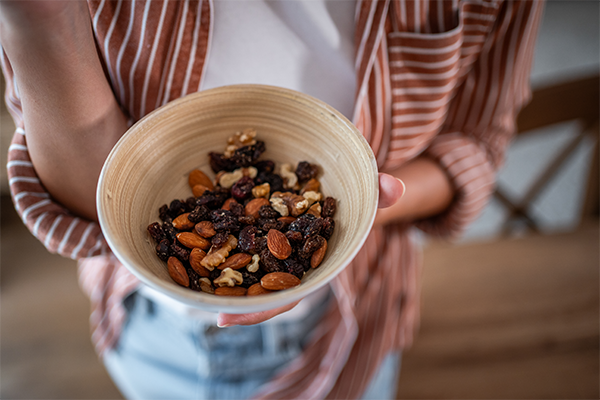
We all love a mid-afternoon snack, but have you ever wondered why that ‘treat’ leaves you hungry again? High-sugar, low-fibre foods can give you a quick burst of energy – followed by an equally fast crash. Fibre-rich foods are a good way to fuel your body, releasing energy slower and keeping hunger away for hours. Try trading biscuits for apple slices with nut butter or swap crisps for popcorn to keep hunger at bay. Looking for a gut-friendly treat? These very berry muffins are a delicious way to boost your fibre intake.
Prep your bag: Keep
nuts, popcorn or an oat bar in your bag for a satisfying snack when hunger hits.
11. Increase iron absorption with vitamin C
Iron plays a key role in contributing to energy, immunity and overall wellbeing, yet nearly 25% of women aren’t getting enough5. But the good news is that your diet can do a lot of the heavy lifting. One simple trick? Pair your iron-rich foods with vitamin C to support absorption. It can be as easy as adding peppers to a stir-fry, tossing strawberries into your morning cereal or squeezing lemon over leafy greens.
Busy day? Take a vitamin C supplement alongside your iron
to support absorption.
12. Feel fuller for longer with protein
Protein has a reputation for being a gym-goer's best friend, but it helps play a role in balanced, nourishing meals – no matter your fitness routine. Protein-rich foods like eggs, yoghurt, chicken, beans and lentils are great additions to your meals, making it easy to stay on track with your goals. Even small additions – like extra beans in a chilli or yoghurt alongside fruit – can help meet your protein goals. If you’re curious about the difference between whey and casein protein, it’s worth understanding how they support fullness and recovery.
Try this: A tin of kidney beans packs around 16g of protein –
add them to soups, salads or stews for an instant upgrade.
13. Support muscle recovery with protein
Recovery isn’t just about your cool-down stretches after exercise – what you choose to eat to support your muscles matters too. Every time you exercise, your muscles break down and rebuild, and protein provides the building blocks that contribute to muscle growth and maintenance. Understanding how protein supports muscle function and movement can help you get more from your training. Aim for 20–40g of protein after a workout (roughly a palm-sized portion), to kickstart repair and help you recover well for your next session.
Try this: Reach for a protein yoghurt with around 20g of protein for an easy, grab-and-go option.
The final say
Nourishing your body doesn’t have to mean big changes or rigid rules. Small, everyday habits – more plants, refreshing sips, quality protein, a little extra fibre – add up quickly. Choose one tip that feels doable today and notice how even the simplest changes help support your body day-to-day.
Ready for your next step? Check how much protein you really need with our protein calculator, try making high-protein cottage cheese pancakes this weekend, or discover a new drink with benefits to refresh your routine.
Disclaimer – This article provides informational advice and is not a substitute for medical care. Curated by experts for accuracy, we take great care to ensure the information is up-to-date and relevant. However, you should always consult your GP or healthcare professional before using supplements or alternative products, particularly if you have medical conditions or are under supervision.
1. Office. National Diet and Nutrition Survey 2019 to 2023: report [Internet]. GOV.UK. 2025. Available from: https://www.gov.uk/government/statistics/national-diet-and-nutrition-survey-2019-to-2023/national-diet-and-nutrition-survey-2019-to-2023-report
2. Dashti HS, Scheer FAJL, Jacques PF, Lamon-Fava S, Ordovás JM. Short sleep duration and dietary intake: epidemiologic evidence, mechanisms, and health implications. BMJ Open. 2020;10:e037554. Available from: https://pmc.ncbi.nlm.nih.gov/articles/PMC7451532/
3. Office. National Diet and Nutrition Survey 2019 to 2023: report [Internet]. GOV.UK. 2025. Available from: https://www.gov.uk/government/statistics/national-diet-and-nutrition-survey-2019-to-2023/national-diet-and-nutrition-survey-2019-to-2023-report
4. Office. National Diet and Nutrition Survey 2019 to 2023: report [Internet]. GOV.UK. 2025. Available from: https://www.gov.uk/government/statistics/national-diet-and-nutrition-survey-2019-to-2023/national-diet-and-nutrition-survey-2019-to-2023-report
5. Public Health England. NDNS: results from years 9 to 11 (combined) – statistical summary [Internet]. GOV.UK. 2020. Available from: https://www.gov.uk/government/statistics/ndns-results-from-years-9-to-11-2016-to-2017-and-2018-to-2019/ndns-results-from-years-9-to-11-combined-statistical-summary


