 Track an order
 Buy It Again
 Favourites
 Manage account
 Rewards
 Subscriptions
 Find a store
 Help centre

Summary
1Food and the brain
Your brain relies on nutrients from your diet to maintain its structure, produce energy and help billions of brain cells communicate.
2Best foods for brain function
Oily fish, berries, eggs, leafy greens, nuts and wholegrains provide key nutrients and plant compounds that help support brain function.
3Diet for brain health
Rather than relying on one ‘brain food’, focus on a varied diet that brings together foods and nutrients that help support brain health.
Forgot where you placed the car keys? Struggling to concentrate by mid-afternoon? It’s tempting to start searching for the best brain food to give your mind a ‘boost’. But the relationship between food and the brain is a little more interesting than that.
“The brain is an extraordinary organ from a nutrition perspective. Despite accounting for only a small proportion of our body weight, it has enormous energy demands and billions of cells constantly communicating. It makes sense that what we provide it through our diet matters,” says Shaun Ward, H&B senior scientist.
So, what are the best foods to eat for brain health? Shaun takes us through the foods and nutrients that matter, what the science tells us and why your overall diet for brain health matters more than any single ‘brain food’.
How does food affect your brain?
Some nutrients become part of the physical structure of brain cells. Others are needed to produce chemical messengers called neurotransmitters or support normal energy metabolism and nervous system function.1 Then there are compounds such as polyphenols, found in foods like berries, cocoa and tea, which are being investigated for their effects on blood flow, cell signalling and inflammation.2
So, while no single food is going to suddenly give you a photographic memory, what you regularly eat can provide the building blocks your brain needs to function normally.
What are the best nutrients for brain health?
Omega-3 DHA: a building block for your brain
There’s a reason omega-3 comes up so often when we talk about brain health. DHA, a long-chain omega-3 fatty acid found mostly in oily fish and algae, quite literally becomes part of your brain.
“If I had to prioritise one nutrient for brain health, DHA would be difficult to look past,” says Shaun. “It’s the main omega-3 fatty acid in the brain and actually becomes part of its structure.3 That makes the recommendation to regularly eat oily fish feel much more tangible – you’re providing a nutrient that the brain itself contains in large amounts.”
In fact, DHA makes up more than 90% of the brain’s omega-3 fatty acids and around 10–20% of its total fatty acids. It’s particularly concentrated in grey matter – the areas packed with nerve cells that help us process information. Research suggests DHA is involved in processes including neurotransmitter release, cell signalling and synaptic function – the communication between nerve cells that underpins processes such as learning and memory.3
Choline: an underappreciated brain nutrient
Choline might not get as much attention as omega-3, but it’s another important brain health nutrient that many of us may not be getting enough of. In fact, researchers have described it as an “underconsumed and underappreciated essential nutrient”.4
Your body uses choline to make acetylcholine, a chemical messenger that brain cells use to communicate with each other and which plays an important role in memory, learning and attention. Choline also helps maintain the structure of our cells, so it’s involved in both building brain cells and helping them communicate.5
B vitamins: behind-the-scenes brain helpers
B vitamins are actually a family of eight different vitamins, each with its own role in keeping our brain and nervous system working normally.6 But their roles often overlap and complement each other, which is why it makes more sense to think about getting a good mix rather than focusing on just one.
Different B vitamins help our cells release energy from food, support the normal functioning of the nervous system and take part in the chemical reactions needed to make neurotransmitters – the messengers brain cells use to communicate. Vitamin B6, for example, is involved in making several neurotransmitters, while folate and vitamin B12 work closely together in processes involved in normal brain and nerve function.6
Magnesium: supporting brain signalling

Magnesium is another important mineral for the brain, playing a role in hundreds of processes throughout the body. In the nervous system, it supports normal nerve function and energy production, while also helping control the electrical activity that allows nerve cells to send signals to one another.7 Emerging research is also exploring whether magnesium may influence specific aspects of cognitive health, although there isn’t enough evidence to say that simply getting more will improve your memory or focus.8
Polyphenols: going beyond the essentials
“The next frontier in nutrition isn’t just preventing deficiencies – it’s understanding whether we can optimise health beyond conventional nutritional guidance,” says Shaun. “Polyphenols are particularly exciting in brain health because we’re beginning to understand how these compounds may influence things like blood flow and cell signalling, rather than simply thinking of them as antioxidants.”9
Polyphenols are a huge family of naturally occurring compounds produced by plants.9 Unlike vitamins and minerals, we don’t need a certain amount to prevent a deficiency. Instead, they represent a more future-facing area of nutrition research. Scientists are investigating how polyphenols may influence cell signalling, blood vessel function, blood flow, inflammatory and oxidative processes.9
What about creatine for the brain?
“Creatine is a great example of how quickly brain nutrition is evolving,” says Shaun. “Most people still associate it entirely with muscle and exercise, yet we’re now studying whether its role in cellular energy could matter to the brain too. The evidence isn’t strong enough for firm conclusions yet, but it’s exactly the kind of research I’ll be watching closely over the next few years.”
Your brain needs a continuous supply of energy. Creatine forms part of a system that helps our cells rapidly regenerate ATP – the molecule they use as an immediate source of energy.10 This has led researchers to ask whether having more creatine available could also support the brain when its energy demands are particularly high.
There are some intriguing findings. A recent review of 16 human trials involving 492 adults found evidence of improvements in memory, alongside some positive findings for attention and processing speed. However, there was no significant improvement in overall cognition or executive function and the certainty of much of the evidence was considered low.11
One particularly interesting small study looked at what happens when the brain is put under stress from sleep deprivation. Fifteen adults were given a single high dose of creatine or placebo while being kept awake overnight. Creatine helped counter some of the decline in memory and processing performance caused by sleep deprivation, with effects lasting several hours. But the study was small, used an unusually high dose and needs to be replicated before we can draw firm conclusions.12
When the European Food Safety Authority assessed the wider human evidence, it concluded that a cause-and-effect relationship between creatine supplementation and improved cognitive function had not been established.13 Results across studies and cognitive tests remain inconsistent, particularly at more typical doses.
What are the best foods for brain health?
“I’m sceptical whenever one food gets labelled a ‘brain superfood’,” says Shaun. “The most interesting thing about brain nutrition is actually how many different biological systems are involved. Fish, eggs and blueberries may all be described as brain healthy foods, but the reasons they’re interesting are completely different.”
So what does that look like on your plate?
Salmon, sardines, mackerel, trout and herring provide a concentrated source of omega-3 EPA and DHA.14 Try salmon with wholegrains and vegetables for dinner, sardines on wholegrain toast or mackerel added to a salad.
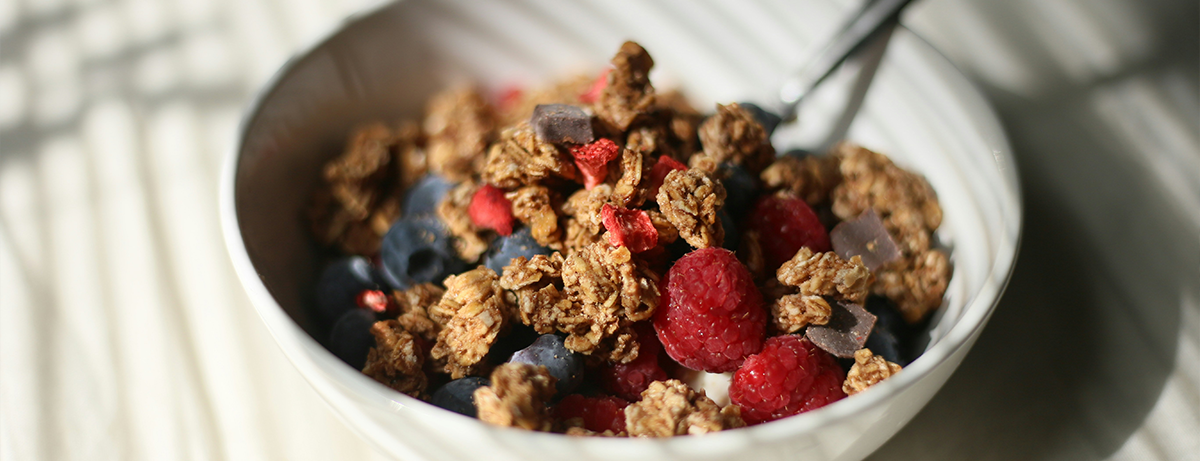
Berries are among the richest dietary sources of polyphenols, packing a wide variety of these beneficial plant compounds alongside vitamins and fibre. Blueberries are particularly interesting because they’re rich in anthocyanins, the colourful group of polyphenols that give blue, purple and red fruits their distinctive colour.15 Frozen berries count too, making them an easy addition to yoghurt, porridge or smoothies all year round.
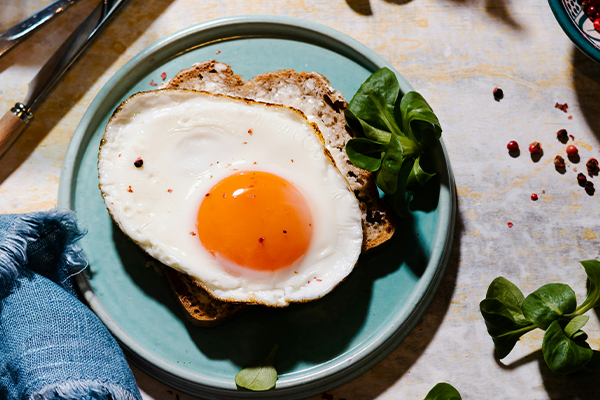
Egg yolks are a useful source of choline, which your body needs to make acetylcholine – the neurotransmitter involved in memory, attention and other nervous-system functions.16 They’re also easy to work into your diet, whether that's eggs on wholegrain toast, a vegetable omelette or a boiled egg alongside lunch.
It might be a coincidence that a walnut looks remarkably like a tiny brain, but nuts and seeds do have plenty going for them when it comes to brain-friendly nutrition. A handful provides a combination of unsaturated fats, magnesium and beneficial plant compounds.17 Try walnuts on porridge, sprinkle pumpkin or chia seeds over yoghurt or grab a small handful of mixed nuts as a snack.
What diet is best for brain health?
Here’s perhaps the most important point in this article: your brain doesn’t experience foods in isolation. You don’t eat a blueberry and reset your memory. You don’t eat salmon once and permanently top up your brain with omega-3. It’s what you eat repeatedly over weeks, months and years that creates your overall dietary pattern.
There probably isn’t one perfect ‘brain diet’. Any healthy, varied diet that regularly brings together omega-3s, B vitamins, choline, magnesium and polyphenol-rich plant foods is likely to be a good place to start. But if there’s one dietary pattern that brings much of this together particularly well, it’s the Mediterranean diet. Mediterranean-style eating typically emphasises vegetables, fruit, legumes, nuts, wholegrains and extra virgin olive oil, alongside regular oily fish and seafood.18
There’s also a brain-focused variation. The MIND diet (Mediterranean-DASH Intervention for Neurodegenerative Delay) combines elements of Mediterranean and DASH-style eating, while placing particular emphasis on foods such as leafy greens, berries, nuts, wholegrains, beans, olive oil and fish.19
Ultimately, don’t get too caught up in whether Mediterranean, MIND or another healthy diet earns the title of ‘best’. When it comes to eating for your brain, the overall pattern matters more than any single ‘brain food’.
FAQs about food and the brain
The MIND diet was specifically developed around foods thought to support brain health, combining elements of the Mediterranean and DASH diets with an emphasis on foods such as leafy greens, berries, nuts, wholegrains, beans, olive oil and fish.19
Recent reviews suggest that people who follow the MIND diet more closely tend to have better cognitive outcomes, particularly in longer-term observational studies. However, clinical trial evidence is still limited and hasn’t consistently shown improvements in cognition, so more research is needed.19
There’s no single food proven to suddenly improve your memory, but some foods provide nutrients and plant compounds involved in how the brain functions.
Oily fish provides DHA, which helps maintain normal brain function,3 while eggs provide choline, which your body uses to make acetylcholine – a neurotransmitter involved in learning and memory.5 Berries, particularly blueberries, are also an interesting area of research because they’re rich in anthocyanins and other polyphenols being studied for their effects on cognition and blood vessel function.15 Rather than looking for one memory-boosting food, the best approach is to regularly eat a variety of brain healthy foods as part of an overall balanced diet.
There’s no single ‘brain food’ that will make you study better, but eating well can help provide the energy and nutrients your brain needs to function normally. Wholegrains, oily fish, berries, nuts and eggs can all form part of a balanced diet, alongside getting enough sleep and looking after your overall wellbeing. For more practical ideas, explore our guide to the best brain foods for exams.
The final say
When it comes to eating for your brain, there’s no single food that does it all. Instead, focus on variety: oily fish, berries, eggs, leafy greens, nuts, seeds and wholegrains all bring different nutrients and plant compounds to the table. A Mediterranean-style diet is one way to bring many of these foods together regularly.
And food is just one piece of the puzzle. Discover more everyday ways to support your mind in our brain health tips or put your mind to work with the best brain exercises.
Disclaimer – This article provides informational advice and is not a substitute for medical care. Working with experts for accuracy, we take great care to ensure the information is up-to-date and relevant. However, you should always consult your GP or healthcare professional before using supplements or alternative products, particularly if you have medical conditions or are under supervision.
1. Gómez-Pinilla F. Brain foods: the effects of nutrients on brain function. Nature Reviews Neuroscience. 2008;9(7):568-78.
2. Vauzour D. Dietary polyphenols as modulators of brain functions: biological actions and molecular mechanisms underpinning their beneficial effects. Oxidative medicine and cellular longevity. 2012;2012(1):914273.
3. Weiser MJ, Butt CM, Mohajeri MH. Docosahexaenoic acid and cognition throughout the lifespan. Nutrients. 2016;8(2):99.
4. Wallace TC, Blusztajn JK, Caudill MA, Klatt KC, Natker E, Zeisel SH, et al. Choline. Nutrition Today. 2018;53(6):240-53.
5. Burns BC, Belani JD, Wittorf HN, Brailoiu E, Brailoiu GC. Choline—an essential nutrient with health benefits and a signaling molecule. International Journal of Molecular Sciences. 2025;26(15):7159.
6. Kennedy DO. B vitamins and the brain: mechanisms, dose and efficacy—a review. Nutrients. 2016;8(2):68.
7. Maier JA, Locatelli L, Fedele G, Cazzaniga A, Mazur A. Magnesium and the brain: a focus on neuroinflammation and neurodegeneration. International journal of molecular sciences. 2022;24(1):223.
8. Chen F, Wang J, Cheng Y, Li R, Wang Y, Chen Y, et al. Magnesium and cognitive health in adults: a systematic review and meta-analysis. Advances in Nutrition. 2024;15(8):100272.
9. Hunt T, Pontifex MG, Vauzour D. (Poly)phenols and brain health – beyond their antioxidant capacity. FEBS Letters. 2024;598(24):2949-62.
10. Kreider RB, Stout JR. Creatine in health and disease. Nutrients. 2021;13(2):447.
11. Xu C, Bi S, Zhang W, Luo L. The effects of creatine supplementation on cognitive function in adults: a systematic review and meta-analysis. Frontiers in Nutrition. 2024;11.
12. Gordji-Nejad A, Matusch A, Kleedörfer S, Jayeshkumar Patel H, Drzezga A, Elmenhorst D, et al. Single dose creatine improves cognitive performance and induces changes in cerebral high energy phosphates during sleep deprivation. Sci Rep. 2024;14(1).
13. EFSA Panel on Nutrition NF, Allergens F, Turck D, Bohn T, Cámara M, Castenmiller J, et al. Creatine and improvement in cognitive function: Evaluation of a health claim pursuant to article 13 (5) of regulation (EC) No 1924/2006. EFSA Journal. 2024;22(11):e9100.
14. Patted PG, Masareddy RS, Patil AS, Kanabargi RR, Bhat CT. Omega-3 fatty acids: a comprehensive scientific review of their sources, functions and health benefits. Future Journal of Pharmaceutical Sciences. 2024;10(1).
15. Bouyahya A, Omari NE, El Hachlafi N, Jemly ME, Hakkour M, Balahbib A, et al. Chemical compounds of berry-derived polyphenols and their effects on gut microbiota, inflammation, and cancer. Molecules. 2022;27(10):3286.
16. Thomas MS, DiBella M, Blesso CN, Malysheva O, Caudill M, Sholola M, et al. Comparison between egg intake versus choline supplementation on gut microbiota and plasma carotenoids in subjects with metabolic syndrome. Nutrients. 2022;14(6):1179.
17. Nishi SK, Sala-Vila A, Julvez J, Sabaté J, Ros E. Impact of nut consumption on cognition across the lifespan. Nutrients. 2023;15(4):1000.
18. Féart C, Samieri C, Barberger-Gateau P. Mediterranean diet and cognitive function in older adults. Current opinion in clinical nutrition and metabolic care. 2010;13(1):14.
19. Morris MC, Tangney CC, Wang Y, Sacks FM, Barnes LL, Bennett DA, et al. MIND diet slows cognitive decline with aging. Alzheimer's & Dementia. 2015;11(9):1015-22.


