 Track an order
 Buy It Again
 Favourites
 Manage account
 Rewards
 Subscriptions
 Find a store
 Help centre
The Mediterranean diet: what is it and how does it work?

Written byLaura Harcourt

Reviewed byHeeral Tomlinson

Big flavour, simple habits and some real health benefits – meet the Mediterranean diet, the delicious way to eat and live well
Summary
1What is a Mediterranean diet?
The MedDiet is a way of eating that’s inspired by Mediterranean cultures, focusing on whole foods, healthy fats and balanced meals.
2What does the Mediterranean diet consist of?
This simple diet includes eating plenty of vegetables, fruits, wholegrains, nuts, seeds, lean protein and olive oil, with dairy in small doses.
3Is a Mediterranean diet healthy?
The MedDiet is well studied and has been found to be great for heart health, brain health and overall wellbeing.
From sun-drenched coastlines to bustling family kitchens, the Mediterranean way of eating has long been linked with good health and great flavour. Rooted in traditional food cultures from countries like Greece, Italy and Spain, the Mediterranean diet (aka the MedDiet) isn’t about strict rules or cutting things out. Instead, it’s about enjoying a rich variety of whole foods, from colourful vegetables to olive oil, nuts, fish and wholegrains.
Backed by decades of research, this balanced approach to eating has been associated with heart health, brain health and overall wellbeing.1 With help from our science communications manager, Heeral Tomlinson, we explore what the Mediterranean diet really is, why it’s so widely praised and how you can bring its principles into your own everyday routine.
What is the Mediterranean diet?
The Mediterranean diet is a way of eating (and living) inspired by the traditional food habits of people living in Mediterranean regions.2 Rather than focusing on calorie counting, cutting out food groups and adhering to strict rules like other standard diets, the MedDiet centres on eating fresh, minimally processed foods in balanced portions.2
Beyond the foods you eat, the Mediterranean diet includes approaches to your wellbeing too. Staying physically active, taking your time to enjoy meals and being social are key principles that work to create a flexible and sustainable approach to living well.2
What foods are in the Mediterranean diet?
At its heart, the Mediterranean diet focuses on plant-based foods with a moderate amount of dairy and lean protein like chicken and eggs.2 While fish and seafood are eaten regularly, processed or red meat is eaten in much smaller amounts – the same goes for sweet treats too.2
“Plant-based foods such as fruits, vegetables, whole grains, nuts, seeds and pulses (beans, lentils, chickpeas) are a foundation of the Mediterranean diet,” says Heeral.2 “The Mediterranean diet also includes healthy fats, known as mono- and polyunsaturated fats like olive oil, nuts and seeds. Extra virgin olive oil is very popular and one of the main sources of fat in the diet”.
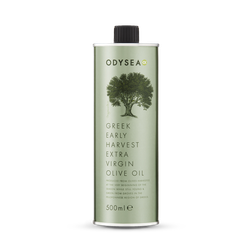
Odysea
£9.99
£2.00/100 ml
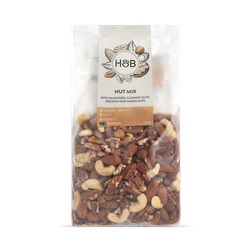
Holland & Barrett
£16.49
£1.94/100 g
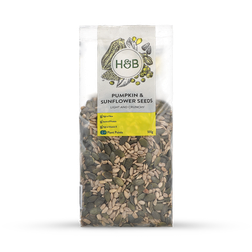
Holland & Barrett
£5.99
£1.20/100 g
What are easy swaps to make my current meals more ‘Mediterranean'?
There are many simple swaps you can make that won’t cost you much money or time and won’t compromise on flavour or taste. “Some swaps might include switching up fish and chips for salmon, couscous and grilled veg,” Heeral says. “Swapping chicken pie for Mediterranean spiced chicken and veg traybake or swapping cheese and crackers for hummus with veg (peppers, carrots, cucumber). Balance is key, it’s still important to enjoy the foods you like in moderation.”
Other swaps you can consider are:3,4
- swap butter or seed oil for olive oil
- swap creamy salad dressings for olive oil-vinegar based dressing
- swap fruit flavoured yogurt for regular or Greek yoghurt
- choose whole grains over refined grains often
- swap red meat for lean white meat like fish or chicken or with plant-based proteins like beans or lentils
- replace processed snacks with fresh, whole foods like nuts and fruit
Is the Mediterranean diet healthy?
The Mediterranean diet is one of the most studied diets in the health and wellness world and has many health benefits backed by science. From improved heart health to reducing the risk of developing type II diabetes and even some cancers.5,6,7 And the benefits don’t stop there – “the diet has also been found to have positive effects on cognitive function and quality of life,” says Heeral.
“The Mediterranean diet has also been associated with a reduction in body weight and fat around the belly, which consequently reduces the risk of diabetes, cardiovascular disease and some other conditions,” she explains. “In fact, multiple studies have shown that individuals assigned to a Mediterranean diet or who stuck to it for longer had a lower incidence of obesity or being overweight during follow-up.”1,8
Following the Mediterranean diet could benefit your gut health too. This is thanks to it containing high-fibre foods like fruits, vegetables, whole grains, pulses, nuts and seeds.1,5-7 “Fibre feeds beneficial bacteria, so there's a better balance of good gut bacteria (and a decrease in bad bacteria) also known as a more favourable microbiota profile,” says Heeral.
3 easy Mediterranean diet recipes
Looking for recipe inspiration? Here are our favourites:
Mediterranean diet FAQs
“The Mediterranean diet is vegetarian and vegan friendly as its focus is plant-based foods: fruits, vegetables, nuts, seeds, pulses and whole grains” Heeral tells us. “It includes many plant-based proteins such as beans, lentils, chickpeas, nuts and tofu. Although tofu isn’t a traditional component, it’s still a good source of plant-based protein.”
A plus for vegetarians is they can also consume dairy and eggs as a source of protein. However, Heeral explains that, “it may be a little tougher for vegans following this diet, as while some legumes and whole grains contain protein, vegans may need more fortified foods and even supplements like iron or B12 for example.”8
“The good news with the Mediterranean diet is that there aren’t any foods that are completely off limits,” Heeral says. “There aren’t any strict rules, as it instead encourages a balanced approach focusing on eating certain foods more and others less frequently.”2
Generally, ultra processed foods like fizzy drinks, ready meals and very sugary snacks are limited as they tend to be low in nutrients.2 Other foods high in added sugars, salt and saturated fats are also enjoyed more occasionally, rather than as everyday staples. Overall, the Mediterranean diet is about prioritising whole, nourishing foods while allowing room for flexibility, making it easier to enjoy and maintain long term.2
The Mediterranean diet isn’t specifically designed for weight loss, but it can support healthy weight management as part of a balanced lifestyle. To lose weight, you need to be in a calorie deficit – meaning you’re using more energy than you’re consuming – so portion sizes and overall intake still matter.
Incorporating Mediterranean-style foods like vegetables, wholegrains, lean proteins and healthy fats can help you build satisfying, nutrient-rich meals that support your overall wellbeing. Focusing on balance, variety and mindful portions can make it easier to maintain healthy habits over time.
The final say
The Mediterranean diet is one of the most well-researched, evidence-based eating patterns out there. By centring your plate around colourful plants, fibre-rich wholegrains and healthy fats, you’re giving your body the tools it needs to thrive. Best of all, it’s flexible: whether you’re a veggie, a meat-eater or want to adapt it to your own culture and kitchen, the Mediterranean approach can work for you. Think of it less as a strict set of rules and more as a lifestyle – and best of all, you don’t need to be by the sea to follow it.
Eating right is key to living well, so why not check out our guide to healthy foods you can eat every day? If you’re looking to supplement your routine with the right vitamins, we’ve got your back with our vitamin buying guide.
Disclaimer – This article provides informational advice and is not a substitute for medical care. Working with experts for accuracy, we take great care to ensure the information is up-to-date and relevant. However, you should always consult your GP or healthcare professional before using supplements or alternative products, particularly if you have medical conditions or are under supervision.
1. Guasch‐Ferré M, Willett WC. The Mediterranean diet and health: a comprehensive overview. Journal of Internal Medicine [Internet]. 2021 Aug 23;290(3):549–66. Available from: https://onlinelibrary.wiley.com/doi/full/10.1111/joim.13333
2. Daley SF;Hinson MR. Mediterranean Diet [Internet]. 2025 [cited 2026 Feb 10]. Available from: https://pubmed.ncbi.nlm.nih.gov/32491665/
3. Interactive: Make your meals Mediterranean [Internet]. www.bhf.org.uk. Available from: https://www.bhf.org.uk/informationsupport/heart-matters-magazine/nutrition/mediterranean-diet/mediterranean-meals-infographic
4. British Heart Foundation. DASH diet [Internet]. British Heart Foundation. 2025 [cited 2026 Feb 10]. Available from: https://www.bhf.org.uk/informationsupport/heart-matters-magazine/nutrition/foods-that-lower-blood-pressure/dash-diet
5. Barber TM, Kabisch S, Pfeiffer AFH, Weickert MO. The Effects of the Mediterranean Diet on Health and Gut Microbiota. Nutrients [Internet]. 2023 Apr 29;15(9):2150. Available from: https://pubmed.ncbi.nlm.nih.gov/37432307/
6. Finicelli M, Di Salle A, Galderisi U, Peluso G. The Mediterranean Diet: An Update of the Clinical Trials. Nutrients. 2022 Jul 19;14(14):2956
7. Dominguez LJ, Di Bella G, Veronese N, Barbagallo M. Impact of Mediterranean Diet on Chronic Non-Communicable Diseases and Longevity. Nutrients. 2021 Jun 12;13(6):2028
8. Neufingerl N, Eilander A. Nutrient intake and status in adults consuming plant-based diets compared to meat-eaters: A systematic review. Nutrients [Internet]. 2021 Dec 23;14(1):29. Available from: https://pmc.ncbi.nlm.nih.gov/articles/PMC8746448/
Related to this article


