20% off £40 or 15% off £30
 Track an order
 Buy It Again
 Favourites
 Manage account
 Rewards
 Subscriptions
 Find a store
 Help centre

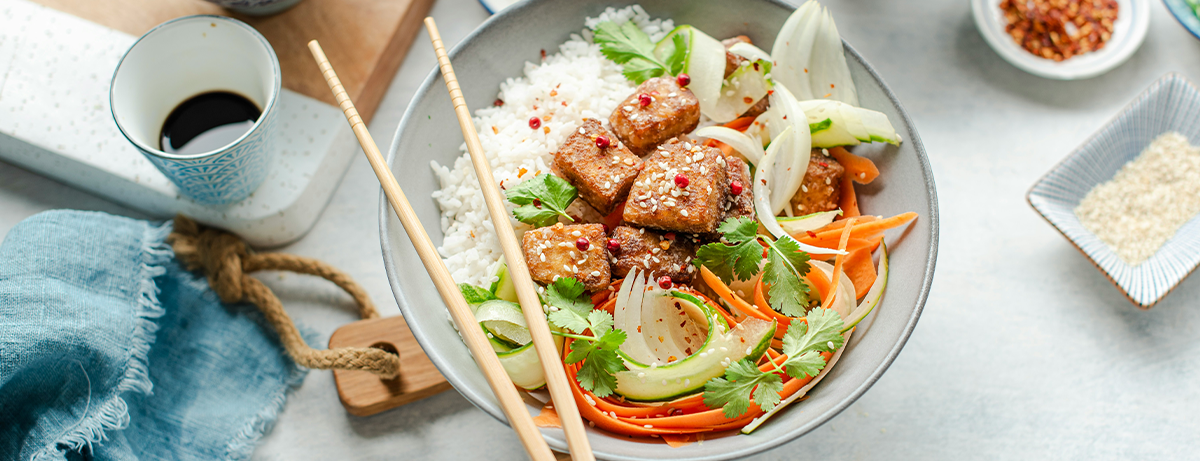
Curious about going vegan? Discover how plant-based eating can support your health, help the planet and fit effortlessly into your everyday lifestyle
Summary
1What does being vegan mean?
A vegan diet is all about choosing foods made entirely from plants – skipping animal products like meat, eggs and dairy.
2How can I get protein on a vegan diet?
One of the most common questions about going vegan is whether you’ll still get enough protein to feel energised and satisfied.
3Is a vegan diet healthier?
The honest answer? It depends on what you eat. A ‘healthy’ diet isn’t about labels, it’s about making mindful choices.
Around 1.5% of people in the UK are vegan.1 That may not sound like much, but that’s a million people ordering oat lattes and adding tofu to the trolley – and the number is growing every year. More and more of us are exploring plant-based eating, whether for health, the planet or simply to try something new, making veganism an exciting and approachable lifestyle choice.
What does being vegan mean?
A vegan diet is all about choosing foods made entirely from plants – skipping animal products like meat, eggs and dairy.2 For many people, it’s a positive step rooted in compassion for animals, care for the planet and a desire to nourish their bodies with more plant-based foods. For some, veganism also extends beyond what’s on the plate. Where possible, it means choosing products and services that avoid harming or exploiting animals – like clothing, cosmetics or furniture made without animal-derived materials or animal testing.3
What do vegans eat?
If you think a vegan diet is restrictive, you’re not alone. But, the good news is every major UK supermarket now has its own vegan range, so your weekly shop is probably already full of options to try.1 Chances are, you’ll find a plant-based version of almost anything you already love. The vegan diet is less about limitation and more about variety – colourful, satisfying foods that can easily fit into your routine. At its heart, it's a diet built around everyday, accessible foods, such as:2
- fruits and vegetables
- beans, legumes and pulses
- plant-based meat alternatives and tofu
- vegan dairy alternatives like plant milks and cheeses
- grains
- most dried pasta
“Getting enough protein on a vegan diet is not only doable – it’s enjoyable”
How can I get protein on a vegan diet?
One of the most common questions about going vegan is whether you’ll still get enough protein to feel energised and satisfied. Since meat and dairy are well-known protein sources, switching things up means finding plant-based alternatives. Well, good news. There are plenty of them and with so many options to mix and match, getting enough protein on a vegan diet is not only doable – it’s enjoyable. Here are some great vegan protein options to try:
- lentils: packed with nutrients and protein, they’re perfect for dhals, soups, stews or salads4
- tofu: made from soybeans, tofu is a reliable protein source and incredibly versatile5 – great in stir-fries, scrambles or grilled dishes
- black beans: a simple way to add protein in burritos, salads or veggie burgers
- quinoa: a grain-like seed that works beautifully as the base for bowls, side dishes or salads and adds a helpful protein lift6
- oats:7 a comforting, filling option, especially when made into porridge – top with nuts, seeds or stir in your favourite plant-based protein powder
- meat substitutes: protein levels vary, but many are solid sources and make familiar meals easy to recreate8
What can I swap dairy and eggs for?
Letting go of dairy and eggs can feel like a big step at first, but it can be one of the easiest switches to make. Supermarkets are packed with plant-based alternatives that look, cook and taste surprisingly close to the originals.
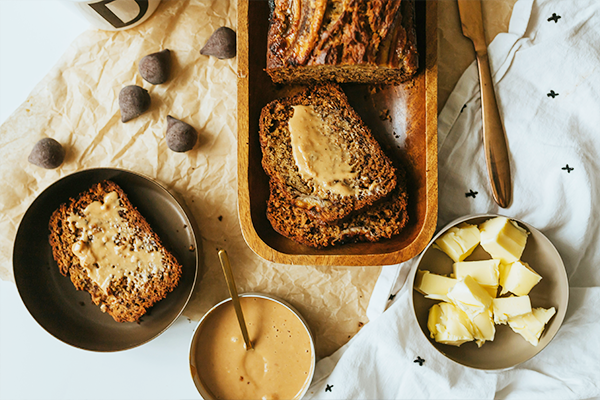
When it comes to dairy, there are plenty of options to choose from. You’ll find oat, pea, almond, cashew and soy versions of most everyday staples, including milk alternatives, butters, cheeses, creams and yoghurts. Nutritional yeast is also a popular favourite, especially for adding a cheesy, savoury flavour to sauces and comfort dishes.
Eggs are just as flexible to replace – it really depends on what you’re making. For denser bakes like banana bread or muffins, flaxseed works beautifully. If you’re after lighter, fluffier bakes, a simple mix of baking soda and vinegar does the trick. Aquafaba (the liquid from a tin of chickpeas) can be whipped and used in place of egg whites for things like meringues or marshmallows. In cookies and cakes, dairy-free yoghurt adds moisture and helps bind everything together. If you’re craving something closer to scrambled eggs, firm tofu is a brilliant, satisfying alternative.
“A ‘healthy’ diet isn’t about labels, it’s about making mindful choices and focusing on foods that nourish your body”
Is a vegan diet healthier?
The honest answer? It depends on what you eat. A ‘healthy’ diet isn’t about labels, it’s about making mindful choices and focusing on foods that nourish your body, whether you’re vegan or not. For many people, going vegan naturally encourages more whole plant foods. Fruits, vegetables, wholegrains, beans and legumes are rich in fibre, vitamins and minerals – and they’re often lower in saturated fat and cholesterol. That shift alone can feel like a positive step for overall wellbeing.
Like any way of eating, a vegan diet works best when it’s well planned. It’s important to check in with your nutrition and make sure you’re getting everything your body needs to thrive. Some nutrients can take a little extra attention, including calcium for strong bones and teeth,9 iron to support healthy red blood cells,10 vitamin B12 for normal energy levels,11 omega-3 fatty acids for heart health,12 and iodine to help keep your thyroid working as it should.13
Health and lifestyle reasons for going vegan
People choose a vegan lifestyle for lots of different reasons and often it’s a mix of values, wellbeing and long-term health goals.
For some, it starts with ethics. Concerns about animal welfare in the food industry and the idea of harming living beings can be a powerful motivation. Others are drawn to the environmental side, as livestock farming is linked to issues like deforestation and higher carbon emissions.14
While it’s possible to eat a balanced diet whether you’re vegan or not, reducing or removing certain meats may lower saturated fat intake.15 For some people, this can support weight management and heart health – especially when meals are built around nourishing, whole foods and include all the vitamins and nutrients the body needs to stay energised.
Research also suggests that plant-based diets may support cardiovascular health. Evidence from the European Society of Cardiology indicates that vegetarian and vegan diets may help lower total cholesterol levels.16 Meaning, vegans in particular may have lower blood pressure, which could reduce the risk of heart disease over time.16 Although, this will of course depend on what’s on your plate as a whole.
Vegan FAQs
Everyone’s body responds differently to dietary changes, so it’s normal to notice a few adjustments when going vegan, especially at the start. Some people may need to pay closer attention to certain nutrients but with thoughtful food choices or supplements, these are usually possible to manage.2,17 You might also notice temporary changes in weight or energy levels as your body adapts to a new way of eating. Digestive changes can happen too, particularly if you’re eating more fibre than before.18 Bloating or discomfort is often short-lived, but if symptoms persist or feel concerning, it’s always best to check in with your GP.
Vegetarians don’t eat meat, but some still enjoy dairy and eggs. Vegans avoid all animal-derived products, including dairy, eggs, honey and materials made from animals.19
The healthiest diet is one rich in whole, minimally processed foods – think fruits, vegetables, whole grains, beans, nuts and seeds. Limit added sugars, salt and unhealthy fats. Most importantly, focus on variety and balance to get all the nutrients your body needs.
The final say
Going vegan isn’t about perfection; it’s about making choices that feel right for you. Whether you’re exploring plant-based foods, swapping out dairy and eggs, supporting your protein or simply curious about how it might benefit your health and lifestyle, every small change counts. Veganism can be a way to nourish your body, care for animals and support the planet, all while discovering delicious new foods along the way. Talking about delicious foods, we’ve got your ultimate guide to vegan chocolate and our very own chef-approved high-fibre, melt-in-the-middle chocolate orange mousse for you to try.
Disclaimer – This article provides informational advice and is not a substitute for medical care. Curated by experts for accuracy, we take great care to ensure the information is up-to-date and relevant. However, you should always consult your GP or healthcare professional before using supplements or alternative products, particularly if you have medical conditions or are under supervision.
1. The Vegan Society. Worldwide Growth of Veganism [Internet]. The Vegan Society. 2024. Available from: https://www.vegansociety.com/news/media/statistics/worldwide
2. NHS. The vegan diet [Internet]. nhs.uk. 2022. Available from: https://www.nhs.uk/live-well/eat-well/how-to-eat-a-balanced-diet/the-vegan-diet/
3. The Vegan Society. Definition of veganism [Internet]. The Vegan Society. 2025. Available from: https://www.vegansociety.com/go-vegan/definition-veganism
4. Nutrition information about protein and plant-based protein [Internet]. British Nutrition Foundation. 2025 [cited 2025 Jan 14]. Available from: https://www.nutrition.org.uk/nutritional-information/protein/
5. U.S. Department of Agriculture, Agricultural Research Service, Beltsville Human Nutrition Research Center. FoodData Central: Food Details for FDC ID 172475, Nutrient Data [Internet]. 2025 [cited 2026 Feb 23]. Available from: https://fdc.nal.usda.gov/food-details/172475/nutrients
6. U.S. Department of Agriculture, Agricultural Research Service, Beltsville Human Nutrition Research Center. FoodData Central: Food Details for FDC ID 168917, Nutrient Data [Internet]. 2025 [cited 2026 Feb 23]. Available from: https://fdc.nal.usda.gov/food-details/168917/nutrients
7. USDA, Oats, whole grain, rolled, old fashioned [cited 2024 Nov 29]. Available from: https://fdc.nal.usda.gov/food-details/2346396/nutrients
8. Messina M, Sievenpiper JL, Williamson P, Kiel J, Erdman JW. Perspective: Soy-Based Meat and Dairy Alternatives, Despite Classification as Ultra-Processed Foods, Deliver High-Quality Nutrition on Par With Unprocessed or Minimally Processed Animal-Based Counterparts. Advances in Nutrition. 2022 Mar 23;13(3).
9. NHS. Calcium - Vitamins and minerals [Internet]. NHS. 2020. Available from: https://www.nhs.uk/conditions/vitamins-and-minerals/calcium/
10. NHS. Iron - Vitamins and minerals [Internet]. NHS. NHS; 2020. Available from: https://www.nhs.uk/conditions/vitamins-and-minerals/iron/
11. NHS. B Vitamins and Folic Acid - Vitamins and Minerals [Internet]. NHS. 2020. Available from: https://www.nhs.uk/conditions/vitamins-and-minerals/vitamin-b/
12. NHS. The vegan diet [Internet]. nhs.uk. 2022. Available from: https://www.nhs.uk/live-well/eat-well/how-to-eat-a-balanced-diet/the-vegan-diet/
13. NHS . Iodine - Vitamins and Minerals [Internet]. NHS. 2020. Available from: https://www.nhs.uk/conditions/vitamins-and-minerals/iodine/
14. Go vegan for the environment [Internet]. The Vegan Society. Available from: https://www.vegansociety.com/go-vegan/why-go-vegan/environment
15. British Heart Foundation. Healthy meat: Your Questions Answered [Internet]. Bhf.org.uk. 2019. Available from: https://www.bhf.org.uk/informationsupport/heart-matters-magazine/nutrition/healthy-meat
16. Koch CA, Kjeldsen EW, Frikke-Schmidt R. Vegetarian or vegan diets and blood lipids: a meta-analysis of randomized trials. European Heart Journal. 2023 May 24;44(28).
17. Diabetes UK. Veganism and diabetes [Internet]. Diabetes UK. 2017. Available from: https://www.diabetes.org.uk/guide-to-diabetes/enjoy-food/eating-with-diabetes/veganism-and-diabetes
18. British Heart Foundation. Fibre [Internet]. Bhf.org.uk. British Heart Foundation; 2018. Available from: https://www.bhf.org.uk/informationsupport/heart-matters-magazine/nutrition/fibre
19. Vegetarian and vegan diets [Internet]. NHS inform. 2025. Available from: https://www.nhsinform.scot/healthy-living/food-and-nutrition/special-diets/vegetarian-and-vegan-diets/


