Menopause can change how you feel – but did you know your diet can help? Tuck into the best foods to support your body, ease symptoms and help you feel more like yourself
Summary
1Why your diet during menopause is important
Although diet can't replace hormones, good menopause nutrition can help manage symptoms while supporting your long-term health.
2The best foods for menopause
Research suggests women who regularly eat oily fish may experience fewer hot flushes and improvements in mood.
3The worst foods for menopause
Refined carbohydrates, like white bread or sugary cereals, can cause rapid rises and falls in blood sugar.
Menopause can bring plenty of changes – from hot flushes and night sweats to mood swings, restless nights and dips in energy. While there's no magic food that can make every symptom disappear, the right diet can play a key role in helping you feel more like you. Nourishing your body with the right balance of protein, fibre, healthy fats and key nutrients can help support your changing hormones, stabilise energy levels and improve overall wellbeing. Small changes to what's on your plate can have a big impact on how you feel, both now and in the years ahead.
Why your diet during menopause is important
During menopause, levels of the hormone oestrogen naturally fall. This affects far more than your reproductive system. Although diet can't replace hormones, good menopause nutrition can help manage symptoms while supporting your long-term health. Lower oestrogen can influence:
- body temperature, leading to hot flushes and night sweats 1
- bone strength 2
- muscle mass 3
- cholesterol levels and heart health 4
- mood and sleep 5
- digestion 6
- weight distribution7
The best foods for menopause
Omega-3-rich foods
Omega-3 fats are well known for supporting heart and brain health, but they may also help ease some menopause symptoms. Research suggests women who regularly eat oily fish may experience fewer hot flushes and improvements in mood8 – aim for two portions of fish each week, including one oily fish serving.9 Omega-3 fats are also involved in producing compounds that help regulate inflammation throughout the body.10 Try adding more of these foods to your diet:11
- salmon
- mackerel
- sardines
- trout
- flaxseeds (linseeds)
- chia seeds
- walnuts
- tofu
Protein
As oestrogen declines, women naturally lose muscle mass more quickly.3 Eating enough protein can help maintain strength, support metabolism and help keep you feeling satisfied between meals.12,13 Try including a source of protein with every meal and snack. Good protein sources include:14
Calcium and vitamin D
Bone density naturally decreases after menopause, increasing the risk of osteoporosis.15 Calcium and vitamin D work together to keep bones strong.16 Vitamin D is found in oily fish, eggs and fortified foods.17 Choose calcium-rich foods such as:18
- milk
- yoghurt
- cheese
- fortified plant drinks (like almond or oat)
- kale
- broccoli
- sardines with edible bones
Fibre-rich foods
Changes during the menopause, such as higher stress and cortisol may make constipation and bloating more common.6,19 Fibre contributes towards good gut health,20 by supporting digestion and reducing the risk of constipation.21 It also helps keep cholesterol in check and promotes steady blood sugar levels.22 Aim to increase fibre gradually (to 30g a day)21 and drink plenty of water alongside it. Increase your intake of:
- oats
- wholegrain bread
- brown rice
- wholewheat pasta
- beans and lentils
- fruit
- vegetables
- nuts and seeds
Fruit and vegetables
Fruit and vegetables are packed with vitamins, minerals and antioxidants that help reduce inflammation and support overall health.23 One large study found women who ate more fruit and vegetables experienced fewer hot flushes and night sweats than those who ate less.24 Aim for at least five portions each day, adding plenty of colour to your plate for the widest variety of nutrients.25
Soya foods and natural plant oestrogens
Soya foods contain isoflavones, naturally occurring plant compounds that have a mild oestrogen-like effect in the body.26 Although research findings are mixed, many studies suggest regularly eating soya foods may reduce the frequency and severity of hot flushes for some women.27 Good options include:28
- tofu
- tempeh
- edamame beans
- soya yoghurt
- fortified soya milk (with calcium, potassium iodide, B12, B2 and vitamin D)
- miso
Flaxseeds and other lignan-rich foods
Flaxseeds are rich in lignans, another type of plant compound that may have mild oestrogen-like effects in the body.29,30 Try sprinkling a tablespoon of milled flaxseed into your porridge, yoghurt, soups or smoothies.
The worst foods for menopause
While no foods need to be completely off limits, some might make your symptoms feel worse.
White bread, cakes, pastries, biscuits, sugary cereals and chips can cause rapid rises and falls in blood sugar. These fluctuations may contribute to energy crashes, cravings and potentially trigger hot flushes (especially when blood sugar levels drop) in some women.31 That said, there's no need to completely avoid these foods, but when you can, try including more wholegrain varieties – as they provide extra fibre and other nutrients that support good health.6
A glass of wine may help you unwind, but alcohol is a common trigger for hot flushes, night sweats and disrupted sleep.32 Current UK guidance recommends drinking no more than 14 units of alcohol per week, spread over several days.6
Studies have found that women who ate more ultra-processed foods (UPFs) often reported more troublesome menopausal symptoms, including hot flushes, sweating, poor sleep and heart palpitations.33 While this doesn't mean UPFs directly cause these symptoms, choosing fewer of these foods and including more whole foods may help support your health and wellbeing during menopause.33
Not everyone is affected, but spicy meals, coffee and strong tea can trigger hot flushes in some women.32,34 Some research suggests that caffeine may make hot flushes and night sweats feel more bothersome for some women after menopause.34 If you suspect they're affecting you, try reducing them for a couple of weeks to see whether your symptoms improve.
What to eat during menopause: simple meal ideas
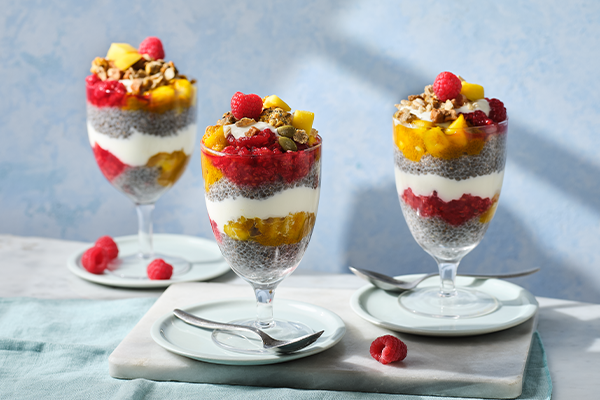
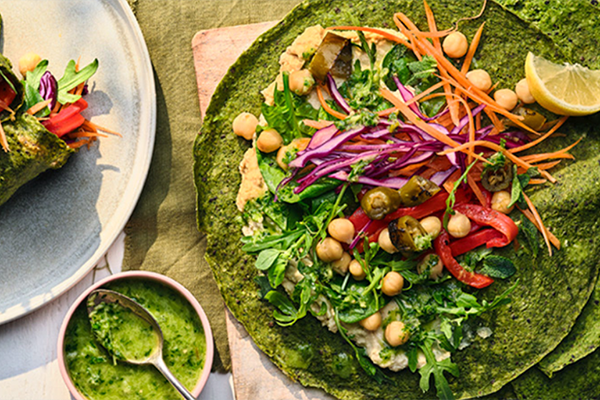
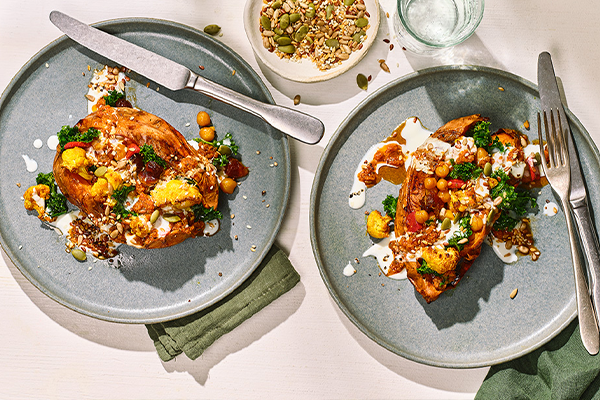
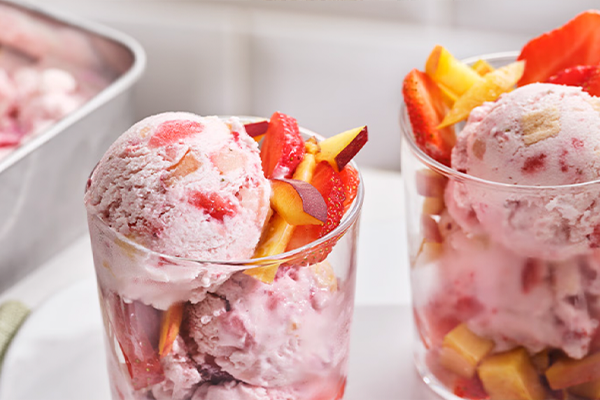
Eating well doesn't have to be complicated – and small changes can make a big difference. We’ve grouped some of our favourite recipes that are high in fibre and protein and include menopause- friendly ingredients – meaning you can tuck in and take inspo for mealtimes.
Menopause diet FAQs
The best diet during menopause focuses on whole foods, plenty of vegetables, fruit, lean protein, healthy fats, wholegrains and calcium-rich foods.35 Eating a varied and balanced diet can support the effects of hormonal changes while protecting bone, muscle and heart health.35
The worst foods for menopause vary from person to person, but common triggers include alcohol, highly refined carbohydrates, sugary foods, caffeine and spicy meals, particularly if they trigger hot flushes, also known as flashes.32
Diet alone won't eliminate hot flushes, but eating plenty of plant foods, healthy fats and protein, while limiting common triggers like alcohol and excess sugar, may reduce their frequency or severity for some women.35
The final say
Finding the right menopause diet is often about learning what works best for your body. Keeping a simple food and symptom diary for a few weeks can help you spot patterns and identify foods that may trigger hot flushes, poor sleep or digestive discomfort. Alongside eating a balanced diet, regular exercise, good sleep habits and stress management all play an important role in supporting your wellbeing during menopause.
Stock up your cupboards with our high-fibre snacks we know you’ll love or discover our menopause must-haves.
Disclaimer – This article provides informational advice and is not a substitute for medical care. Curated by experts for accuracy, we take great care to ensure the information is up-to-date and relevant. However, you should always consult your GP or healthcare professional before using supplements or alternative products, particularly if you have medical conditions or are under supervision.
1. Gombert-Labedens M, Vesterdorf K, Fuller A, Maloney SK, Baker FC. Effects of menopause on temperature regulation. Temperature. 2025 Apr 23;1–41.
2. Wang J. The interplay of estrogen, gut microbiome, and bone immunity in osteoporosis. Cell Communication and Signaling [Internet]. 2025 Dec 2 [cited 2026 July 22];23(1):516–6. Available from: https://pmc.ncbi.nlm.nih.gov/articles/PMC12673756/
3. Chandra Shikhi Kodete, Bharadwaj Thuraka, Vikram Pasupuleti, Saiteja Malisetty. Hormonal Influences on Skeletal Muscle Function in Women across Life Stages: A Systematic Review. Muscles [Internet]. 2024 Aug 21 [cited 2026 July 22];3(3):271–86. Available from: https://www.mdpi.com/2813-0413/3/3/24
4. British Heart Foundation. Menopause and heart disease [Internet]. www.bhf.org.uk. 2023 Oct [cited 2026 July 22]. Available from: https://www.bhf.org.uk/informationsupport/support/women-with-a-heart-condition/menopause-and-heart-disease
5. Checking your browser - reCAPTCHA [Internet]. Nih.gov. 2026 [cited 2026 July 22]. Available from: https://pmc.ncbi.nlm.nih.gov/articles/pmc1632495/
6. Women's Health Concern. Digestive health and menopause. London: Women's Health Concern; 2025 Jul. Available from: https://www.womens-health-concern.org/wp-content/uploads/2025/07/36-NEW-WHC-FACTSHEET-Digestive-health-and-menopause-JULY2025-A.pdf
7. Lizcano F, Guzmán G. Estrogen Deficiency and the Origin of Obesity during Menopause. BioMed Research International [Internet]. 2014 [cited 2026 July 22];2014. Available from: https://www.ncbi.nlm.nih.gov/pmc/articles/PMC3964739/
8. Freeman MP, Hibbeln JR, Silver M, Hirschberg AM, Wang B, Yule AM, et al. Omega-3 fatty acids for major depressive disorder associated with the menopausal transition. Menopause [Internet]. 2011 Mar [cited 2026 July 22];18(3):279–84. Available from: https://www.ncbi.nlm.nih.gov/pmc/articles/PMC3195360/
9. NHS. Fish and shellfish [Internet]. nhs.uk. NHS; 2022 Feb [cited 2026 July 22]. Available from: https://www.nhs.uk/live-well/eat-well/food-types/fish-and-shellfish-nutrition/
10. Calder PC. Omega-3 Fatty Acids and Inflammatory Processes. Nutrients. 2010 Mar 18;2(3):355–74.
11. British Heart Foundation. Omega-3 Foods and Your Heart [Internet]. www.bhf.org.uk. 2024 Jan [cited 2026 July 22]. Available from: https://www.bhf.org.uk/informationsupport/heart-matters-magazine/nutrition/omega-3s-and-your-heart
12. Go to GoGuardian App [Internet]. Nutrition.org.uk. 2025 [cited 2026 July 22]. Available from: http://nutrition.org.uk/nutritional-information/protein/
13. Dhillon J, Craig BA, Leidy HJ, Amankwaah AF, Osei-Boadi Anguah K, Jacobs A, et al. The Effects of Increased Protein Intake on Fullness: A Meta-Analysis and Its Limitations. Journal of the Academy of Nutrition and Dietetics. 2016 June;116(6):968–83.
14. British Nutrition Foundation. Protein [Internet]. British Nutrition Foundation. 2023 Oct [cited 2026 July 22]. Available from: https://www.nutrition.org.uk/nutritional-information/protein/
15. NHS. Osteoporosis [Internet]. NHS. 2019 June [cited 2026 July 22]. Available from: https://www.nhs.uk/conditions/osteoporosis/causes/
16. National Institute of Arthritis and Musculoskeletal and Skin Diseases. Calcium and vitamin D: Important for bone health [Internet]. National Institute of Arthritis and Musculoskeletal and Skin Diseases. 2023 May [cited 2026 July 22]. Available from: https://www.niams.nih.gov/health-topics/calcium-and-vitamin-d-important-bone-health
17. British Heart Foundation. Foods high in vitamin D [Internet]. Bhf.org.uk. British Heart Foundation; 2022 June [cited 2026 July 22]. Available from: https://www.bhf.org.uk/informationsupport/heart-matters-magazine/nutrition/ask-the-expert/foods-high-in-vitamin-d
18. NHS. Calcium - Vitamins and minerals [Internet]. NHS. 2020 Aug [cited 2026 July 22]. Available from: https://www.nhs.uk/conditions/vitamins-and-minerals/calcium/
19. Callan NGL, Mitchell ES, Heitkemper MM, Woods NF. Constipation and diarrhea during the menopause transition and early postmenopause: observations from the Seattle Midlife Women’s Health Study. Menopause (New York, NY) [Internet]. 2018 June [cited 2026 July 22];25(6):615–24. Available from: https://pubmed.ncbi.nlm.nih.gov/29381667/
20. Zhang F, Fan D, Huang J, Zuo T. The gut microbiome: linking dietary fiber to inflammatory diseases. Medicine in Microecology. 2022 Dec;14(2590–0978):100070.
21. NHS. How to get more fibre into your diet [Internet]. NHS. 2022 July [cited 2026 July 22]. Available from: https://www.nhs.uk/live-well/eat-well/digestive-health/how-to-get-more-fibre-into-your-diet/
22. Centers for Disease Control and Prevention. Fiber: The Carb That Helps You Manage Diabetes [Internet]. Diabetes. CDC; 2024 May [cited 2026 July 22]. Available from: https://www.cdc.gov/diabetes/healthy-eating/fiber-helps-diabetes.html
23. Slavin JL, Lloyd B. Health Benefits of Fruits and Vegetables. Advances in Nutrition [Internet]. 2012 July 6 [cited 2026 July 22];3(4):506–16. Available from: https://pmc.ncbi.nlm.nih.gov/articles/PMC3649719/
24. Herber-Gast GCM, Mishra GD. Fruit, Mediterranean-style, and high-fat and -sugar diets are associated with the risk of night sweats and hot flushes in midlife: results from a prospective cohort study. The American Journal of Clinical Nutrition [Internet]. 2013 May 1 [cited 2026 July 22];97(5):1092–9. Available from: https://academic.oup.com/ajcn/article/97/5/1092/4577089
25. NHS. The Eatwell Guide [Internet]. NHS. 2022 [cited 2026 July 22]. Available from: https://www.nhs.uk/live-well/eat-well/food-guidelines-and-food-labels/the-eatwell-guide/
26. Barrett JR. The Science of Soy: What Do We Really Know? Environmental Health Perspectives. 2006 June;114(6).
27. Barnard ND, Kahleova H, Holtz DN, Del Aguila F, Neola M, Crosby LM, et al. The Women’s Study for the Alleviation of Vasomotor Symptoms (WAVS): a randomized, controlled trial of a plant-based diet and whole soybeans for postmenopausal women. Menopause (New York, NY) [Internet]. 2021 July 12 [cited 2026 July 22];28(10). Available from: https://pubmed.ncbi.nlm.nih.gov/34260478/
28. A Guide to Foods Rich in Soy [Internet]. ucsfhealth.org. 2026 [cited 2026 July 22]. Available from: https://www.ucsfhealth.org/health-articles/aguide-to-foods-rich-in-soy
29. Duarte S, Shah MA, Sanches Silva A. Flaxseed in Diet: A Comprehensive Look at Pros and Cons. Molecules [Internet]. 2025 Mar 16 [cited 2026 July 22];30(6):1335. Available from: https://www.eatingwell.com/are-flaxseeds-good-for-you-11733695
30. Shrivastava R, Bhattacharya S, Verma N, Mehdi AA, Pandey A, Ansari JA. Effects of Flaxseed on Perimenopausal Symptoms: Findings From a Single-Blind, Randomized, Placebo-Controlled Study. Cureus [Internet]. 2024 Sept 3 [cited 2026 July 22];. Available from: https://pmc.ncbi.nlm.nih.gov/articles/PMC11448742/
31. Dormire S, Howharn C. The Effect of Dietary Intake on Hot Flashes in Menopausal Women. Journal of obstetric, gynecologic, and neonatal nursing : JOGNN / NAACOG [Internet]. 2007 [cited 2026 July 22];36(3):255–62. Available from: https://www.ncbi.nlm.nih.gov/pmc/articles/PMC2765999/
32. NHS website. Things you can do to help menopause and perimenopause symptoms [Internet]. nhs.uk. 2026 May [cited 2026 July 22]. Available from: https://www.nhs.uk/conditions/menopause-and-perimenopause/things-you-can-do/
33. Karabiyik D, Aslan H, Tari Selçuk K, Tiğli A, Arslan S, Öngün Yilmaz H. Association of ultra-processed food consumption with menopausal symptoms in postmenopausal women. Women & Health. 2025 May 4;65(5):429–41.
34. Faubion SS, Sood R, Thielen JM, Shuster LT. Caffeine and menopausal symptoms: what is the association? Menopause (New York, NY) [Internet]. 2015 [cited 2026 July 22];22(2):155–8. Available from: https://www.ncbi.nlm.nih.gov/pubmed/25051286
35. British Dietetic Association. Menopause and Diet [Internet]. www.bda.uk.com. 2019 May [cited 2026 July 22]. Available from: https://www.bda.uk.com/resource/menopause-diet.html
Related to this article