 Track an order
 Buy It Again
 Favourites
 Manage account
 Rewards
 Subscriptions
 Find a store
 Help centre

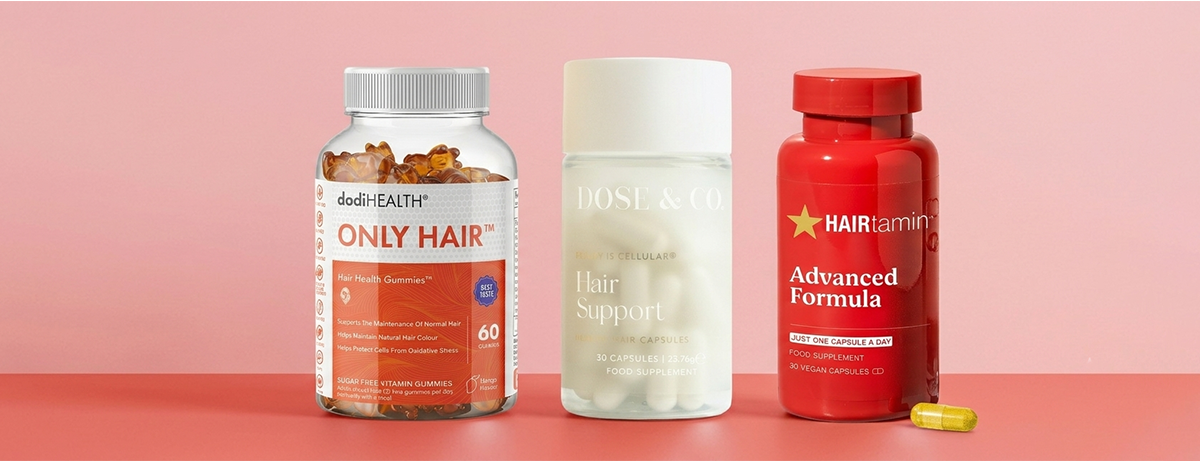
Your haircare might start in the shower, but beauty-from-within supplements can become a bathroom-cabinet favourite too. From gummies to capsules, these are the hair supplements worth knowing about
Our top picks
Plant-based gummy
Nourished
Nourished Hair+ Boost Nutrient Stacks 30 Gummies
18+
£19.99
One-a-day
Dose & Co
Dose & Co Hair & Scalp Support 30 Capsules
16+
£19.99
RRP £39.99
Vegan
4HIM & HER
4Her Hair Supplements For Women 60 Vegan Tablets
18+
£25.99
Ever found yourself googling vitamins for hair growth expecting one magic answer? You’re not alone. Searches for things like ‘what vitamins help growth?’, hair vitamins and hair supplements are huge – and it makes sense. When hair feels thinner, drier, weaker or just not quite itself, it’s natural to wonder whether your body might be missing something.
The truth isn’t very glossy, as hair growth is influenced by lots of factors, including genetics, hormones, stress, age, illness, diet and your general wellbeing.1,2 Supplements won’t override all of that and they won’t work overnight. But if your diet is lacking certain nutrients, or you want a simple way to support your daily intake, the right hair supplement may help support healthy hair from within. And to help separate the glossy claims from the useful stuff, we asked H&B expert Heeral Tomlinson what’s worth knowing about hair supplements, nutrients and realistic results.
Vitamins for hair health: do they work?
Hair vitamins can support your hair if they contain nutrients your body needs for normal hair health, but they’re not miracle products. The most helpful way to think about them is as nutritional support, not a guaranteed shortcut (see what we did there) to long.3 “Hair health is influenced by a combination of factors, including genetics, hormones, stress, sleep, overall diet and lifestyle habits, so supplements are best viewed as one part of a broader hair-health routine rather than a standalone solution,” says Heeral.
Throughout your life, your hair goes between growth, rest and shedding phases. That means any change you make – whether it’s diet, lifestyle or supplements – usually needs time before you notice a difference. It’s also worth remembering that losing some hair every day is normal, but sudden hair shedding, bald patches or hair loss alongside other symptoms should be checked by a healthcare professional.1,4
So, what vitamins help hair growth? There isn’t one single magic hair growth vitamin, but nutrients commonly found in hair supplements include biotin, zinc, selenium, copper, vitamin C and B vitamins.3 The best choice depends on your diet, lifestyle, preferences and whether you want tablets, capsules, gummies or sachets. “Nutrients such as zinc, selenium and biotin all play important roles in maintaining normal hair health, while copper contributes to normal hair pigmentation,” says Heeral.
Some of our favourite hair vitamins
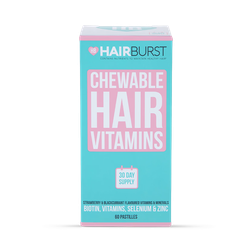
Hairburst Chewable Hair Vitamins are a great option if you like the idea of a hair supplement but don’t love swallowing tablets or capsules. These strawberry and blackcurrant pastilles are designed to be chewed daily, making them easy to build into your morning routine or keep by your desk as a simple reminder.
The formula includes biotin, selenium, zinc and copper. Biotin, selenium and zinc contribute to the maintenance of normal hair, while copper contributes to normal hair pigmentation.3 That makes them a nice choice if you’re looking for an easy, everyday supplement to support your hair from within. “Hair gummies can be a convenient way to support intake of nutrients linked to normal hair function, particularly for those who may have nutritional gaps within their diet, restrictive eating patterns, limited dietary variety, or increased nutrient needs,” Heeral adds.
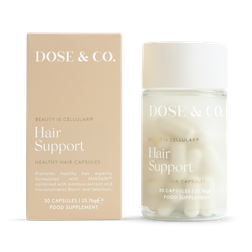
Dose & Co Hair & Scalp Support is a 30-capsule food supplement designed to support healthy hair from within. It contains AnaGain™, alongside key hair-supporting vitamins and minerals including biotin and selenium, which contribute to the maintenance of normal hair.3 For anyone who likes their beauty shelf to look as considered as their skincare routine, this supplement is one to have on your radar. Designed to slot into your day with a simple once-daily serving, it keeps things refreshingly straightforward – especially when consistency is what really counts.
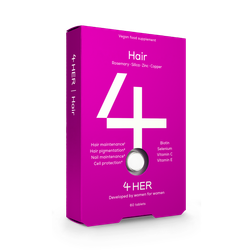
4Her Hair Supplements For Women are vegan tablets designed with hair, nails and normal hair pigmentation in mind. The formula includes biotin, rosemary, copper and selenium, with copper supporting normal hair pigmentation and selenium supporting the maintenance of normal hair.3 If you’re after a vegan-friendly option with a beauty focus, this tablet is worth a closer look. With a one-month supply in each pack, it’s an easy one to work into your usual wellness routine without overcomplicating your bathroom-cabinet line-up.
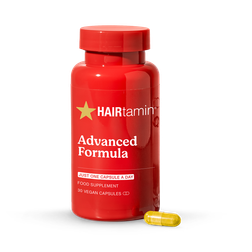
HAIRtamin Advanced Formula is a physician-formulated, once-daily hair supplement designed to support healthy looking hair. The capsule format is ideal if you want something quick and no-fuss, without needing to take multiple tablets throughout the day. For shoppers who prefer capsules over gummies, this feels like a polished option to consider. Its ‘free-from’ credentials are pretty impressive too – gluten-free, nut-free, soy-free and dairy-free, making it a very useful pick for those keeping certain dietary preferences in mind.
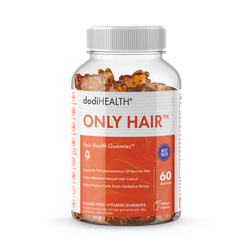
For those who prefer their supplements with a side of convenience, Dodi Health Only Hair Gummies are a newer addition to H&B shelves worth knowing about. The chewable format offers an easy alternative to capsules, making them a practical choice for anyone who likes to keep their wellness routine simple.
Whether your routine is already packed or you simply prefer something a little more enjoyable than a tablet, gummies can be a lovely low-effort way to bring supplements into your day. They feel easy, familiar and nicely fuss-free – exactly the sort of format that makes consistency feel less like a chore. As always, have a look at the label before use for the full ingredients list, directions and allergen information.
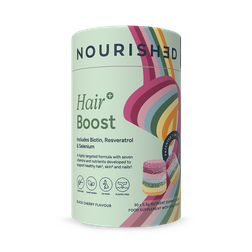
If you're looking for a supplement that's a little tastier than your average tablet, Nourished Hair+ Boost Nutrient Stacks are worth a look. These innovative gummies combine seven vitamins and nutrients, including biotin, selenium and resveratrol, in a single daily serving. Bringing together seven vitamins and nutrients in a convenient gummy format, they include biotin, resveratrol (an antioxidant compound) and selenium – designed to support hair, skin and nail health.
"Supporting healthy hair isn't just about choosing the right ingredients – it's about taking them consistently," says Melissa Snover, Founder & CEO of Nourished and registered nutritionist. "Hair+ Boost brings together science-backed ingredients in a delicious, sugar-free gummy that's designed to make your daily routine simple and enjoyable."
The format is the real talking point here. Nourished stacks are freshly made in Great Britain and bring a more playful feel to the supplement shelf, while also being positioned as plant-based and sugar-free. A nice one to know about if you want something that feels a bit more fun than a standard tablet.
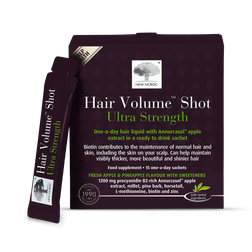
For those who like their beauty-from-within routine to feel more like a daily ritual, New Nordic Hair Volume Shot Apple and Pineapple Sachets offer a refreshing change from tablets, capsules and gummies. The apple and pineapple flavour gives it more of a drink-style feel, while the sachet format is especially handy for slipping into your bag for on-the-go top-ups.
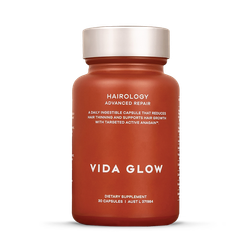
Vida Glow Hairology is a once-daily capsule from Vida Glow’s Advanced Repair range. It’s designed to support and maintain healthy hair, with AnaGain™ and a blend of targeted micronutrients. Vida understands that age, stress, hormones and vitamin deficiencies can all play a role in hair weakness, damage and shedding – and make products that work with those elements in mind.
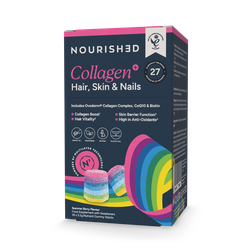
If you're looking to shake up your beauty routine, Collagen+ Hair, Skin & Nails Nutrient Stacks offer something a little different. These sugar-free, vegetarian gummies include vitamin C, biotin, zinc and selenium, nutrients that help support healthy hair, skin and nails.
"When choosing a supplement to support your hair, it's worth looking for ingredients backed by robust clinical research," says Melissa Snover, Founder & CEO of Nourished and registered nutritionist. "Our Collagen+ Hair, Skin & Nails features Ovoderm® – a vegetarian collagen sourced from upcycled eggshell membrane. In a clinical study, Ovoderm® was shown to reduce hair loss by up to 80%, while 40% of participants reported the appearance of new 'baby hairs', highlighting the potential of targeted nutrition to support healthy hair."
Hair vitamins FAQs
While there isn’t one single best vitamin for everyone’s hair, it depends on what your body needs, your diet and whether you have any deficiencies. That said, biotin, zinc and selenium are popular ingredients in hair supplements because they contribute to the maintenance of normal hair.3
Copper is another useful nutrient to know about, as it contributes to normal hair pigmentation. Protein, iron-rich foods, vitamin C, B vitamins and a varied diet all matter too. If your hair changes suddenly or you’re noticing significant shedding, it’s worth speaking to your GP rather than guessing with supplements.1
Biotin is probably the best-known hair vitamin, but it’s not the only one. Zinc and selenium also contribute to the maintenance of normal hair, while copper contributes to normal hair pigmentation.3 Rather than focusing on one nutrient, it’s usually better to look at your overall diet and choose a supplement that fits your needs. Think of hair vitamins as one piece of the puzzle – not the whole solution.
HRT may help some people with menopause-related symptoms, but it isn’t a guaranteed hair growth treatment and isn’t suitable for everyone.⁵,⁶ Hair changes during perimenopause and menopause can be linked to hormonal shifts, but hair loss can also be influenced by genetics, stress, thyroid issues, iron levels, medication and other health factors.1,2,6 If you’re considering HRT, speak to your GP or menopause specialist. They can help you weigh up the benefits and risks based on your symptoms, health history and what else might be contributing to hair changes.5
The final say
Hair supplements can be a useful way to support your routine, especially if you’re looking for to support your nutrient intake. But the most strand-savvy approach is to keep your expectations realistic. Start with the basics – a varied diet, enough protein, gentle haircare, stress support if needed and a supplement format you’ll actually stick with.1,2 Whether you prefer capsules, tablets, gummies or sachets, the best hair vitamins are the ones that suit your lifestyle and support your hair from within.
For more expert-backed haircare tips to keep your locks happy, check out our favourite shampoos and conditioners as well as our best hair oils for every hair type.
Disclaimer – This article provides informational advice and is not a substitute for medical care. Working with experts for accuracy, we take great care to ensure the information is up-to-date and relevant. However, you should always consult your GP or healthcare professional before using supplements or alternative products, particularly if you have medical conditions or are under supervision.
1. NHS. Hair loss [Internet]. NHS; 2024 [cited 2026 Jun 24]. Available from: NHS website.
2. NHS inform. Alopecia [Internet]. NHS inform; 2026 [cited 2026 Jun 24]. Available from: NHS inform website.
3. Department of Health and Social Care. Great Britain nutrition and health claims register [Internet]. GOV.UK; 2020 [cited 2026 Jun 24]. Available from: GOV.UK website.
4. British Association of Dermatologists. Telogen effluvium [Internet]. BAD; 2025 [cited 2026 Jun 24]. Available from: British Association of Dermatologists website.
5. NHS. Benefits and risks of hormone replacement therapy (HRT) [Internet]. NHS; [cited 2026 Jun 24]. Available from: NHS website.
6. Women’s Health Concern. Menopausal hair loss – more than ‘a bad hair day’ [Internet]. Women’s Health Concern; 2025 [cited 2026 Jun 24]. Available from: Women’s Health Concern website.
Related to this article


