 Track an order
 Buy It Again
 Favourites
 Manage account
 Rewards
 Subscriptions
 Find a store
 Help centre

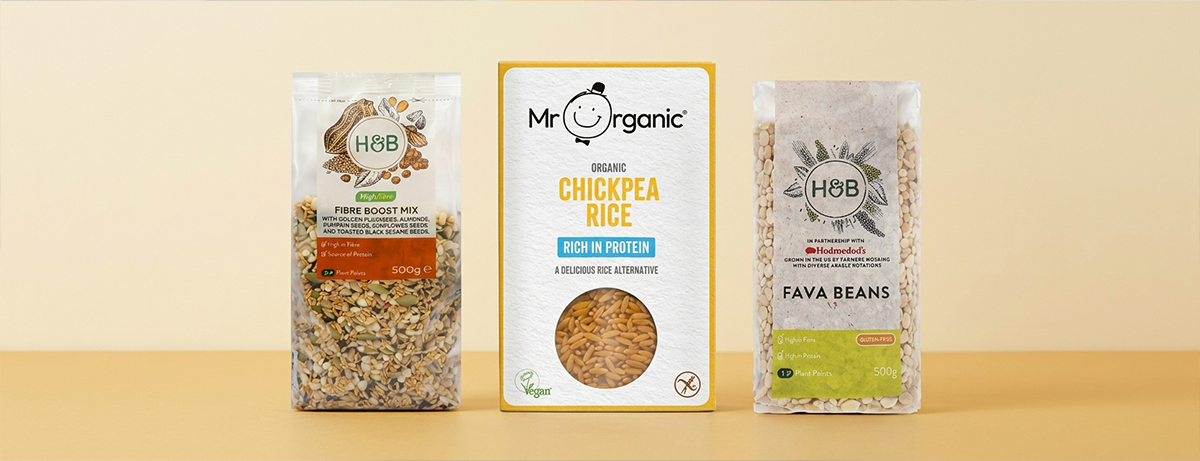
Summary
Gluten-free
Holland & Barrett
Holland & Barrett Fava Beans 500g
£2.49
High-fibre
Holland & Barrett
Holland & Barrett High Fibre Seed & Berry Topper 300g
3 for 2 Mix & Match
£6.00
Omega-3
Holland & Barrett
Holland & Barrett Chia Seeds 400g
3 for 2 Mix & Match
£5.79
When you’re eating less, what makes it onto your plate – and into your shopping basket – can matter that little bit more. There may be fewer opportunities throughout the day to get all the essential nutrients your body needs, so this is where a well-stocked kitchen can come in handy.1,2
The good news? Your GLP-1 diet doesn’t need a completely different shopping list. The familiar foundations of a healthy, balanced diet still apply: protein, plenty of fruit and vegetables, fibre-rich foods, healthy fats and enough fluid.3 So, forget complicated food rules. From protein-packed cupboard staples to easy ways to add more fibre, consider this your edit of the everyday essentials worth making room for.
First up: healthy wholefoods for your shopping list
Rather than thinking of certain foods as special GLP-1 diet foods, start with familiar, minimally processed options that can help you build a varied and balanced diet.4,5 When planning your next food shop, give the basics plenty of basket space. Fruit and vegetables, wholegrains, beans and pulses, nuts and seeds, eggs, dairy or alternatives, fish and lean sources of protein can all earn a spot.4,5 Rather than hunting down the latest ‘superfood’, think variety: different foods bring different combinations of protein, fibre, vitamins, minerals and fats to your plate.
Protein-rich foods to add to your basket
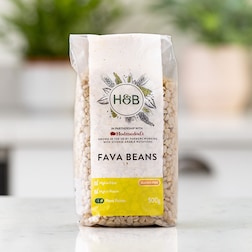
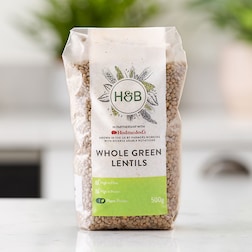
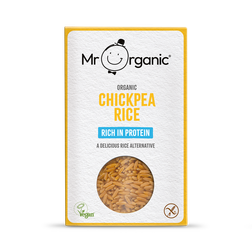
Protein is one staple worth giving regular space on your shopping list. When appetite is smaller, including a source of protein at each meal can be an easy way to support a healthy diet.4,5 It’s particularly worth keeping protein in mind during weight loss, as losing weight can sometimes mean losing muscle mass too. Protein and its building blocks, called amino acids, contribute to the maintenance of muscle mass and normal bones.1,2 For plenty of variety, shop across eggs, fish, lean meat, beans, lentils, tofu, yoghurt, cottage cheese, nuts and seeds.6 Easy swaps can help too – try switching your usual rice for a higher-protein alternative like quinoa.
Protein powders can be another convenient cupboard option, but they shouldn’t replace balanced meals. Try adding one to a smoothie, yoghurt or porridge, or use it to top up your intake if you reach the end of the day and protein has been a little thin on the ground. If a smaller appetite means you’re regularly missing meals or struggling to meet your nutritional needs, speak to a healthcare professional for personalised advice.
Fibre-rich foods for your trolley
Here’s one most of us could make a little more room for. Around 96% of UK adults don’t meet the recommended fibre intake, and when you’re eating smaller amounts overall, getting enough can become even more challenging.1,7 Fibre is important for gut health and digestive comfort, so it’s worth giving fibre-rich foods a regular spot on your plate – even when there’s a little less room on it.14
So, what earns a spot in the trolley? Wholegrains, fruit, vegetables, beans, lentils, nuts and seeds are all great everyday sources. Different foods provide different types of fibre – so variety matters too.8 Soluble fibre is found in foods like oats and fruit, while wholegrains, nuts and seeds provide insoluble fibre. You’ll also find resistant starch in foods including pulses, potatoes and grains.8 Getting a mix from different sources may help support digestive comfort, rather than relying on one type alone.14
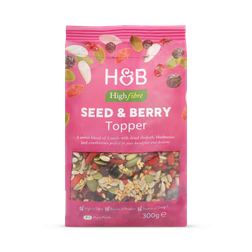
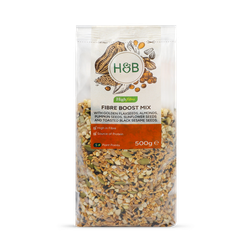
There’s no need to chase the high-fibre trend at all costs. Instead, build up your fibre intake gradually and remember to drink enough alongside it to help avoid digestive discomfort.14 For an easy cupboard win, mixed seeds can be sprinkled over everything from porridge and yoghurt to salads and roasted veg for a little extra crunch.
Healthy fats worth making room for
Fat sometimes gets a bad reputation, but it deserves a place in a balanced food shop too.2 When you’re eating less on a GLP-1, making room for sources of healthy fats can help ensure essential fats still earn a spot in your shopping basket. Dietary fat also helps your body absorb the fat-soluble vitamins A, D, E and K.9 Some fats are also essential because your body can’t make them, meaning they need to come from your diet.
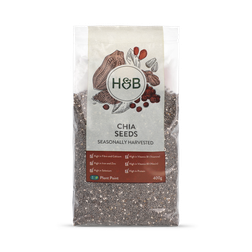
One group worth knowing is omega-3 fatty acids.9 Oily fish such as salmon, sardines, mackerel, trout and herring provide the long-chain omega-3s EPA and DHA, which contribute to the normal function of the heart. Aim for at least two portions of fish a week, including one portion of oily fish. Not a fish fan? Plants have something to bring to the table too. Walnuts, chia seeds and flaxseeds provide alpha-linolenic acid (ALA), an essential omega-3 fatty acid that contributes to the maintenance of normal blood cholesterol levels.9
The shopping-list takeaway? Think quality rather than cutting fat out. Oily fish, nuts, seeds and avocado are all easy ways to add healthy fats and more variety into your food shop.
Don’t forget the drinks aisle to stay hydrated
Food might be getting most of your attention, but hydration deserves a spot on the list too. Staying adequately hydrated is an important part of looking after your nutrition while taking a GLP-1, alongside making sure you’re getting enough from the food you eat.14 How much fluid you need varies depending on things like your body size, activity levels, environment and diet, but drinking regularly can help you stay adequately hydrated.10
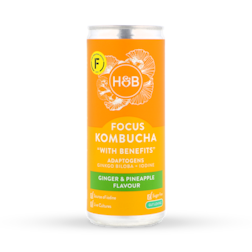
Hydration may also play a role in how we experience hunger and fullness. Thirst and hunger are closely linked, with the body using some of the same signals to control both. However, the relationship is complex, and drinking more water shouldn’t be seen as a way to suppress your appetite.11,12 Instead, keep a drink handy, sip regularly and respond to your body’s thirst cues. Water is a great go-to, but it doesn’t have to be your only option. Fancy a change? Kombucha can add a little variety alongside water, while fruit or herbs can make your usual glass more interesting.
Do you need a multivitamin if you're on a GLP-1?
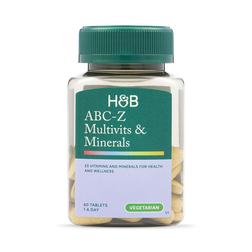
Food should always be the starting point for meeting your nutritional needs. But when you’re consistently eating less overall, researchers are increasingly interested in whether intake of particular vitamins and minerals may fall too.1 Early research in people using GLP-1-based medicines suggests some nutrients may be worth keeping an eye on. These include iron, calcium, vitamin D, vitamin B12 and vitamin B1 (thiamine), which may need a little more attention when food intake and variety are reduced.1,2,13
However, the evidence is still developing, and this doesn’t mean everyone taking a GLP-1 will become deficient. So, does that mean you should reach for a multivitamin? Not necessarily. If you’re concerned that a smaller appetite means you aren’t meeting your nutritional needs, speak to a healthcare professional. They can look at your diet and individual needs and advise whether a supplement is appropriate for you.
Your balanced GLP-1 food shopping list, sorted
Wondering which GLP1 foods to eat or where to start? Rather than overhauling your entire trolley, use these categories as a simple check when you’re planning your next shop:
protein sources such as eggs, fish, lean meat, tofu, beans, lentils and yoghurt
fibre-rich foods including wholegrains, fruit, vegetables, pulses, nuts and seeds
a colourful mix of fruit and vegetables
healthy fats from foods such as oily fish, avocado, nuts and seeds
everyday drinks to help you stay hydrated
easy cupboard and snack options that make balanced choices simpler when appetite is smaller
You don’t need to tick off every item at every meal. Think of it as a flexible basket rather than another set of food rules – choose the foods you enjoy and build variety across your week.
GLP-1 friendly shopping list FAQs
There isn’t one prescribed ‘GLP-1 diet plan’. A practical starting point is a varied, balanced diet built around nutrient-dense foods. Make room for protein-rich foods, fruit and vegetables, wholegrains and other fibre-containing foods, healthy fats and adequate hydration.
A ‘GLP-1 diet’ isn’t a formal type of diet. The term is often used online to describe eating patterns for people using GLP-1-based medicines, but there’s no single food plan everyone needs to follow. From a nutrition perspective, the fundamentals we all know remain the same: eat a varied, balanced diet and include foods providing protein, fibre, healthy fats, vitamins and minerals, alongside enough hydration.
There isn’t a universal list of GLP-1 foods to avoid. Rather than labelling individual foods as ‘good’ or ‘bad’, focus on what makes up your diet most of the time. When appetite and food intake are lower, prioritising foods that contribute useful nutrients can help you make the most of the meals and snacks you do eat.
The final say
A GLP-1-friendly food shop doesn’t need its own rulebook. In many ways, the essentials are the same ones you’d find in any balanced basket – but when there’s less room on your plate, it’s worth being a little more thoughtful about what earns a spot. No magic GLP-1 food list, no endless ‘good’ and ‘bad’ foods – just useful everyday choices that make a smaller plate work a little harder. When there’s less on your plate, make every spot count.
Ready to fill your basket? Start with our high-fibre snacks you’re going to love or explore our favourite electrolyte drinks.
Disclaimer – This article is intended to support general wellness and weight management only and does not provide advice for the use of GLP-1 medications. If you are prescribed a GLP-1 medicine, your dietary intake and overall health should be monitored by your prescriber or another qualified healthcare professional.
Any symptoms or side effects, including changes to appetite, digestion or bowel habits, should be discussed with your prescriber or a healthcare professional, as these may indicate that your current treatment or dosage needs review. If you are struggling to consume regular, balanced meals, this should also be reported to your prescriber.
Always check with a prescriber or healthcare professional before introducing new foods, supplements or products alongside medication, as there may be interactions or contraindications.
1 Spreckley M., Ruggiero C.F., Brown A. Bridging the nutrition guidance gap for GLP-1 receptor agonist therapy assisted weight loss: lessons from bariatric surgery. Int J Obes 50, 265–267 (2026). https://doi.org/10.1038/s41366-025-01952-w
2 Mozaffarian D., et al. Nutritional priorities to support GLP-1 therapy for obesity: a joint Advisory from the American College of Lifestyle Medicine, the American Society for Nutrition, the Obesity Medicine Association, and The Obesity Society. Am J Clin Nutr. 2025;122(1):344-367. https://doi.org/10.1016/j.ajcnut.2025.04.023
3 Zambrano-Villacres R., et al. Nutrition-First Support for GLP-1 and Dual Incretin Therapy in Obesity: A Practical Framework for Dietary Management, Symptom Tolerability, and Long-Term Weight Maintenance. Nutrients, 18(11), 1751(2026). https://doi.org/10.3390/nu18111751
4 Sievenpiper J.L., et al. Nutritional and lifestyle supportive care recommendations for management of obesity with GLP-1 - based therapies: An expert consensus statement using a modified Delphi approach. Obes Pillars. 2025 11;17:100228. https://doi.org/10.1016/j.obpill.2025.100228
5 Zambrano-Villacres R., et al. Nutrition-First Support for GLP-1 and Dual Incretin Therapy in Obesity: A Practical Framework for Dietary Management, Symptom Tolerability, and Long-Term Weight Maintenance. Nutrients. 2026 29;18(11):1751. https://doi.org/10.3390/nu18111751
6 British Nutrition Foundation. Last reviewed October 2023. Accessed on 1 September 2026. https://www.nutrition.org.uk/nutritional-information/protein/
7 Closing the UK Fibre Gap: a new report from the British Nutrition Foundation. June 2026. Accessed on 1 September 2026. https://www.nutrition.org.uk/news/fibre-report/
8 Fibre. British Dietetic Association. Accessed on 1 September 2026. https://www.bda.uk.com/resource/fibre.html
9 Fat facts. British Dietetic Association. Accessed on 2 September 2026. https://www.bda.uk.com/resource/fat.html
10 Water, drinks and hydration. NHS. Accessed on 2 September 2026. https://www.nhs.uk/live-well/eat-well/food-guidelines-and-food-labels/water-drinks-nutrition/
11 McKay NJ et al. Increasing water intake influences hunger and food preference, but does not reliably suppress energy intake in adults. Physiol Behav. 2018;194:15-22. https://pubmed.ncbi.nlm.nih.gov/29678599/
12 McKiernan F, Houchins JA, Mattes RD. Relationships between human thirst, hunger, drinking, and feeding. Physiol Behav. 2008;94(5):700-8. https://pmc.ncbi.nlm.nih.gov/articles/PMC2467458/
13 Butsch W.S., et al. Nutritional deficiencies and muscle loss in adults with type 2 diabetes using GLP-1 receptor agonists: a retrospective observational study. Obes Pillars. 2025;15:100186. https://doi.org/10.1016/j.obpill.2025.100186.
14 Sievenpiper, J.L, J. A, M. B, W. C, Dixon, J.B, A. F, et al. Nutritional and lifestyle supportive care recommendations for management of obesity with GLP-1 - based therapies: An expert consensus statement using a modified Delphi approach. Obesity Pillars [Internet]. 2026 Mar 1 17:100228. Available from: https://www.sciencedirect.com/science/article/pii/S2667368125000725


